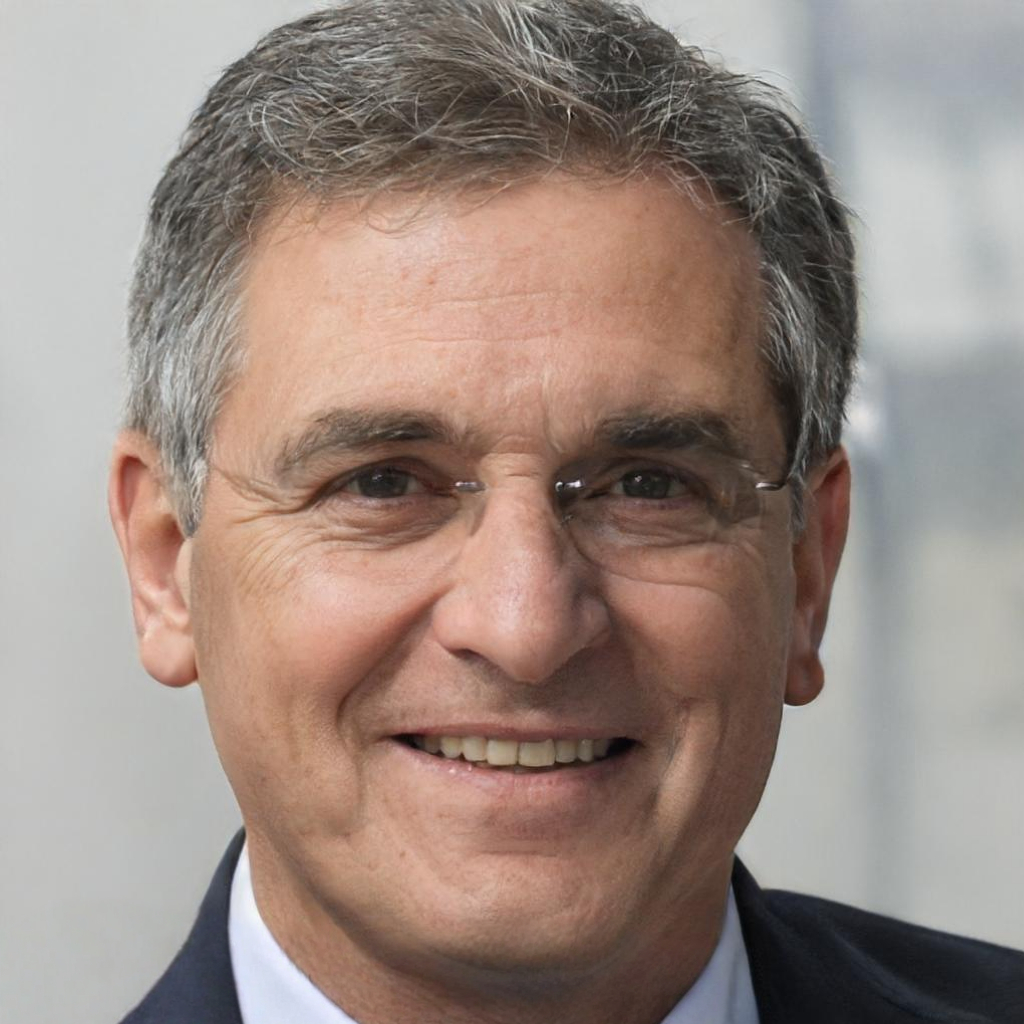

A significant rise in autism diagnoses has sparked widespread debate, with experts looking closely at the role of evolving diagnostic criteria. Dr Allen Frances, a renowned psychiatrist, has candidly acknowledged his part in this trend, attributing much of the increase to changes made in the fourth edition of the Diagnostic and Statistical Manual of Mental Disorders (DSM-IV). His insights come amidst ongoing discussions about the implications of these criteria on public perception and healthcare practices.
The Surge in Autism Diagnoses
Autism diagnoses have surged dramatically in recent decades, causing concern and confusion among parents, educators, and healthcare professionals. According to recent reports, the rates have increased 60-fold over the past few years. This escalation has prompted a reevaluation of the factors contributing to these statistics, with Dr Frances pointing to the expanded definition of autism as a significant factor.

Dr Frances led the task force for the DSM-IV, which broadened the criteria for autism spectrum disorders. This expansion allowed for a wider range of symptoms and behaviours to fall under the autism umbrella, leading to more individuals being diagnosed. “We wanted to capture those who needed help but were previously overlooked,” Dr Frances explained. However, he acknowledges that this broader scope may have unintended consequences, including contributing to the perception of an autism epidemic.
Context and Timing of the Changes
The changes to the DSM-IV were introduced in the early 1990s, a time when there was growing awareness of autism and its varying presentations. The intention was to provide a more inclusive and comprehensive framework for diagnosis, allowing for earlier intervention and support for those affected. This coincided with advancements in research and increased advocacy from autism communities, highlighting the need for better diagnostic tools.
Since then, the prevalence of autism diagnoses has continued to climb. In the UK, for example, recent estimates indicate that approximately 1 in 60 children are diagnosed with autism, a stark increase from previous decades. This rise has led to debates about whether the broader criteria are capturing a true increase in cases or simply identifying those who would have previously gone undiagnosed.
The Impact of Broader Diagnostic Criteria
The broader criteria have undoubtedly increased awareness and understanding of autism, allowing many individuals to receive the support they need. However, this has also led to concerns about over-diagnosis and the potential for misdiagnosis. Some experts argue that the expanded definition may pathologise normal variations in behaviour, leading to unnecessary labelling and stigma.
Dr Frances emphasises the importance of accurate diagnosis, stating, “While it is crucial to identify those who need support, we must be cautious not to medicalise normal differences.” This sentiment is echoed by other professionals in the field, who stress the need for careful evaluation and consideration of individual circumstances when diagnosing autism.
Expert Insights and Reactions
The conversation surrounding autism diagnoses has sparked diverse opinions among experts and the public. Secretary of Health and Human Services Robert F. Kennedy, Jr., has been a vocal critic of the link between vaccines and autism, a theory that has been debunked by numerous studies. Nevertheless, the persistence of such beliefs indicates the complexity and sensitivity of the topic.
Experts like Dr Frances advocate for continued research and education to dispel myths and provide clarity. “We must ensure that our understanding of autism is grounded in evidence and compassion,” he asserts. This approach is crucial in addressing the needs of individuals with autism and supporting their families effectively.
Moving Forward: Balancing Awareness and Accuracy
The rise in autism diagnoses presents both challenges and opportunities for healthcare systems worldwide. There is a pressing need to balance increased awareness with accurate diagnosis, ensuring that resources are allocated effectively to those who truly require support. Additionally, ongoing research and dialogue are essential in refining diagnostic criteria to reflect the latest scientific understanding.
As the conversation continues, Dr Frances and other experts remain committed to addressing the complexities of autism diagnosis. By fostering an environment of informed discussion and collaboration, they hope to improve outcomes for individuals with autism and their families, ultimately contributing to a more inclusive and supportive society.
In summary, the surge in autism diagnoses highlights the need for careful consideration of diagnostic criteria and their implications. As experts like Dr Frances work to refine these definitions, the focus remains on providing accurate diagnoses and effective support for those affected by autism. This ongoing dialogue is crucial in shaping a future where understanding and acceptance prevail.