
In a significant development amid the ongoing conflict, Ukraine and Russia have exchanged captured soldiers in a fresh prisoner swap, marking a crucial step in the peace talks that have been ongoing in Istanbul. The swap involved soldiers who had been held captive for over three years, including those captured during the siege of Mariupol, a strategic port city in Ukraine. This exchange is part of a series of diplomatic moves aimed at de-escalating tensions in the region. Ukrainian authorities confirmed the swap, while Russian officials reported that their soldiers had been transferred to Belarus for care.
The Exchange and Its Context
The prisoner swap occurred as part of peace negotiations that have been taking place in Istanbul, involving both Ukrainian and Russian representatives. The swap’s exact number of soldiers involved remains undisclosed by both sides. The Ukrainian coordination headquarters for the treatment of prisoners of war noted that many of the exchanged soldiers had been captured during the intense fighting in Mariupol, which fell to Russian forces in 2022 after a prolonged siege.
Russian officials stated that the returned soldiers are now in Belarus, receiving much-needed psychological and medical care. This move is seen as a humanitarian gesture amidst the broader conflict, which continues to claim lives and displace communities across Ukraine.
EU Sanctions and Political Stance
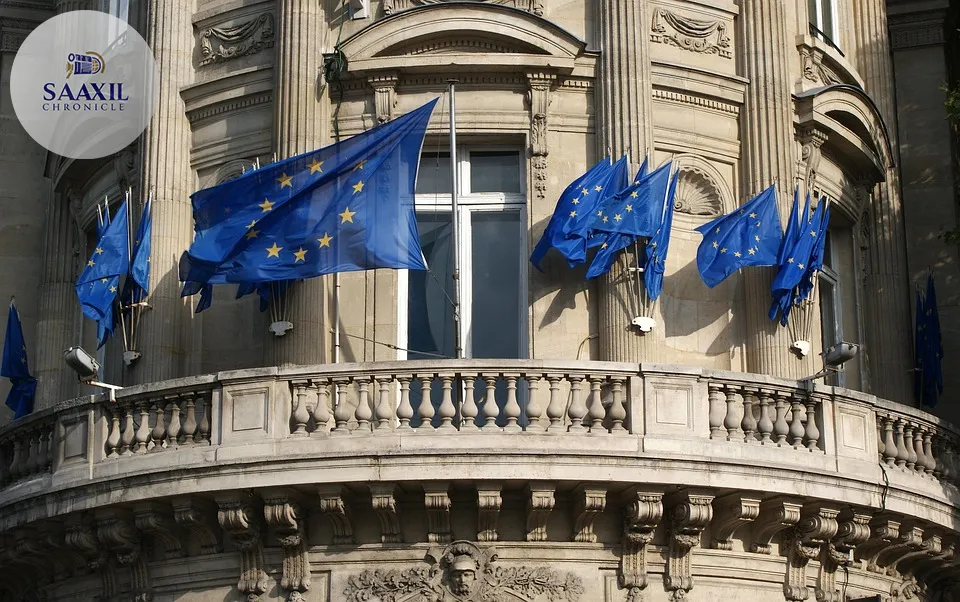
On the same day as the prisoner swap, the European Union extended its sanctions on Russia for another six months. This decision came after a summit in Brussels, where EU leaders resolved concerns that Hungary might allow the sanctions to lapse. The sanctions, which include freezing over €200 billion in Russian central bank assets, will now remain in effect until at least early 2026.
Despite maintaining these existing measures, the EU faced a setback as Slovakia blocked the approval of a new sanctions package. The EU leaders, however, reiterated their unwavering support for Ukraine’s pursuit of EU membership, following a NATO summit where Ukraine’s potential membership was notably absent from the official statement.
Global Reactions and Military Developments
The international landscape remains tense, with the United States considering terminating funding for global war crimes accountability programmes, including those investigating alleged Russian atrocities in Ukraine. This proposal, though not final, has sparked concern among international human rights organisations.
In Poland, Foreign Minister Radoslaw Sikorski commented on the ongoing arms race, suggesting it could lead to the downfall of Russian President Vladimir Putin, drawing parallels to the collapse of the Soviet Union. This comes as NATO members have committed to increasing defence spending to counter perceived threats from Russia.
Ukrainian Military Successes and Challenges
Ukrainian forces have reportedly halted a recent Russian advance in the northern Sumy region, stabilising the frontline near the Russian border. Colonel General Oleksandr Syrskyi, Ukraine’s top military commander, stated that these successes have prevented Russia from redeploying approximately 50,000 troops to other critical areas.
Meanwhile, Russian-backed officials announced the capture of the village of Shevchenko in eastern Ukraine, a location noted for its proximity to a significant lithium deposit. This development underscores the ongoing strategic battles over resource-rich areas in the conflict zone.
Chemical Weapons Concerns
Adding to the complexity of the conflict, the Organisation for the Prohibition of Chemical Weapons confirmed the use of banned tear gas in Ukrainian territories. This finding, based on samples submitted by Ukraine, marks the third instance of such chemicals being identified in frontline areas, raising alarms over the use of chemical agents in warfare.
As the situation unfolds, the international community continues to watch closely, with diplomatic efforts and military strategies playing out on multiple fronts. The prisoner swap, while a hopeful gesture, is just one piece in the broader puzzle of achieving lasting peace and stability in the region.
Looking ahead, the ongoing negotiations and military engagements will likely shape the future dynamics of the Ukraine-Russia conflict. The international community’s role, alongside regional actors, remains crucial in steering the situation towards a peaceful resolution.