

Three women on Ukraine’s frontline describe a role that feels like a chase from the first day: flying attack drones while the enemy hunts them. Their accounts, published on Wednesday, set out how the military now leans on female pilots in fast-growing first-person-view (FPV) units. They say the work demands speed, precision and nerve. They also say it brings relentless pressure because opposing forces focus on drone operators as high-value targets. As casualties mount and vacancies open across the armed forces, instructors push candidates through a short, hard 15-day course that moves trainees from classroom to field in just over two weeks. That compressed timeline shows the urgent need for new operators and the rising role of civilians who step into combat tasks.
The report appeared on Wednesday, 26 November 2025. The training takes place at drone schools inside Ukraine, with indoor and outdoor drills. The pilots deploy to frontlines across the country, including areas in the east and south, where FPV strikes and reconnaissance flights shape daily combat.
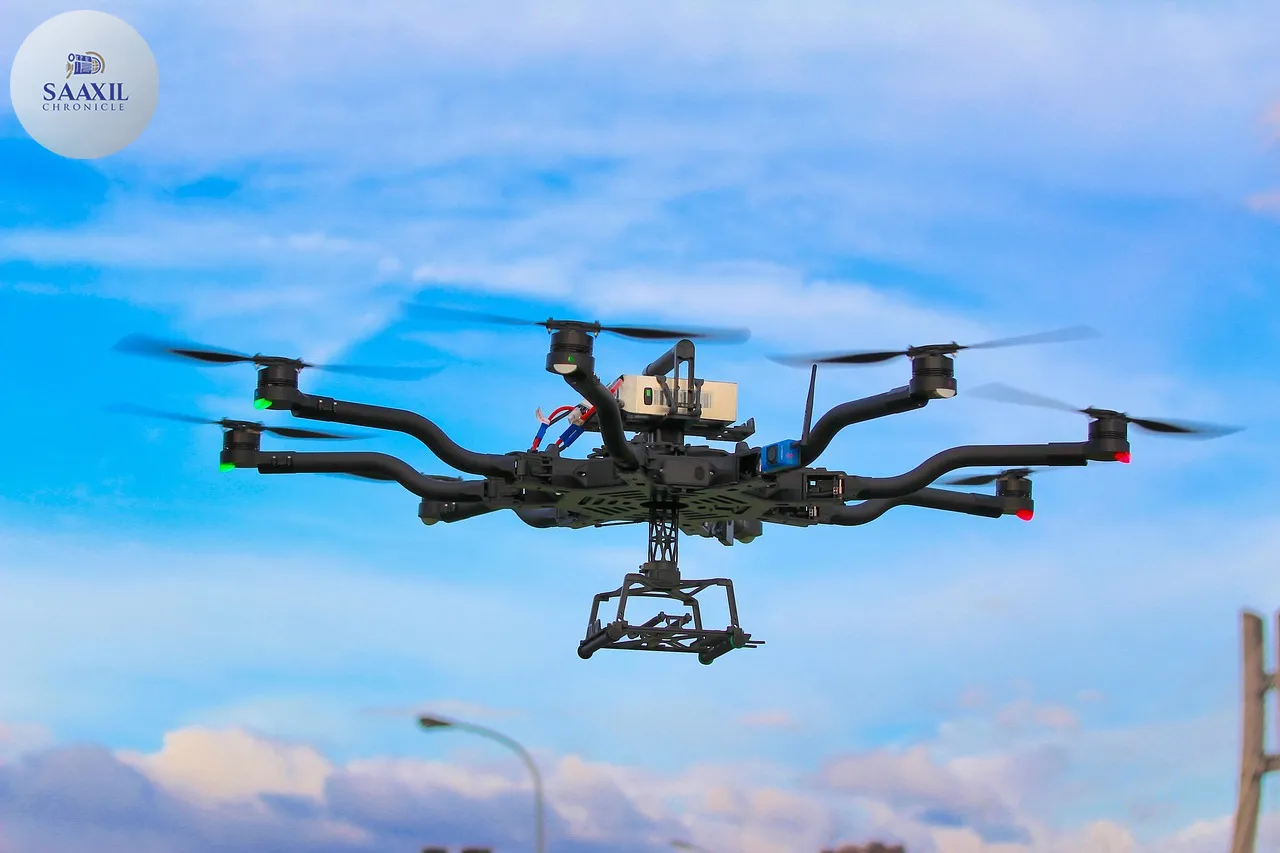
Women pilots take on FPV combat roles
Women joined Ukraine’s drone operations in the early months of the full-scale invasion in 2022. As the war has dragged on, their numbers have grown, especially in FPV attack teams that fly small, camera-guided aircraft into targets. These units support infantry, hit armour and disable enemy positions. The pilots wear goggles that stream a live view from the drone and guide it through trenches, tree lines and streets. The work calls for fine motor control and a steady focus under stress.
Commanders and trainers increasingly seek out new operators to hold the line and to keep pressure on enemy positions. Women now fill slots that once went to a narrower set of trained personnel. They bring skills from diverse civilian fields and adapt them to battlefield needs. In these teams, competence matters more than background, and performance under fire sets the standard.
A 15-day pipeline built for wartime speed
Ukraine’s drone schools now run a rapid course that prepares pilots for frontline deployment in 15 days. Instructors move trainees through indoor practice and outdoor scenarios to build confidence and discipline. The short timetable reflects battlefield demand. The military needs pilots who can take off, navigate at low altitude, and carry out a mission without delay. The course aims to harden decision-making and to teach safe, repeatable routines.
Trainees start with the basics and build up to more complex tasks. They learn to manage equipment, to control aircraft in tight spaces and to handle stress. The tight schedule leaves little room for error. Graduates head straight to the front, where seasoned teams integrate them into ongoing operations. The pathway compresses what used to take much longer, because units require new pilots at pace.
High-risk work under constant hunt
Drone teams operate in one of the war’s most dangerous roles. Operators say they feel targeted from the moment they start. Both sides place a premium on finding and stopping enemy pilots because drones can deliver precise strikes at low cost. Electronic warfare, counter-drone tactics and rapid counter-fire all raise the stakes. Crews keep strict discipline, maintain short launch windows and move often to reduce exposure.
The job tests focus and nerves. Pilots must keep the drone steady, track moving targets and decide when to strike. Any hesitation can waste an aircraft or put the team at risk. Fatigue adds to the strain as units fly repeated sorties to match the tempo of ground fighting. Teams rotate responsibilities and maintain strict routines to manage that pressure, but the risk never fades.
Casualties remain undisclosed, pressure on recruitment grows
Ukraine does not disclose casualty figures. Officials maintain that policy across the armed forces, including drone units. On the ground, soldiers and volunteers recognise heavy losses and face constant pressure to replenish ranks. That reality drives recruitment and accelerates training. It also explains why the military depends on civilians to step into roles that trained professionals once held.
As demand rises, recruiters cast a wider net. They encourage people with calm hands, strong coordination and the ability to learn fast. Women answer that call in growing numbers, especially in FPV units that blend technical skill with frontline urgency. The pipeline accepts that speed matters, but it also aims to build enough depth to keep teams operational over the long haul.
From civilian skills to combat readiness
Many new pilots arrive from civilian life. They come with varied experience and a willingness to learn under pressure. Instructors report that candidates who show discipline and steady nerves progress well. Training frameworks help them build muscle memory and clear routines. After the 15-day course, operational teams guide new arrivals through their first missions and reinforce safe habits.
The war has pushed Ukraine to integrate talent wherever it finds it. Women already serve across the armed forces, and drone units add another pathway into frontline duty. The shift reflects necessity and also signals a longer-term change. As more women fly FPV drones and support reconnaissance flights, they help set standards for performance and leadership in these high-demand teams.
FPV drones reshape tactics and cost on the battlefield
FPV drones continue to reshape operations because they offer precision at a fraction of the cost of larger systems. Units can tailor payloads, strike weak points and disrupt supply lines. Those effects add up. They also depend on skilled pilots who can handle low-altitude flight, tight manoeuvres and rapid target identification. As teams refine techniques, they look for incremental gains that improve accuracy and survivability.
The wider war has become a contest of production, training and adaptation. Ukraine seeks to scale drone supply, improve reliability and train more pilots. Each improvement compounds the others. More capable aircraft need better operators; better operators get more from each flight. This cycle drives the need for steady recruitment and faster training without sacrificing safety.
Training under fire: discipline, teamwork and resilience
The 15-day course does not only teach flying. It builds team routines that keep crews safe. Operators practise set-up, launch and recovery in tight cycles. They rehearse communication, maintain equipment and plan flight paths. These habits cut errors and help teams respond when conditions change. Instructors also stress resilience, because operators must reset quickly after each mission and prepare for the next.
Frontline teams bring new pilots into a culture that values clear roles and accountability. Pilots, spotters and support staff share responsibility for each sortie. They follow checklists and debrief after flights to capture lessons. That approach supports continuous improvement and helps crews sustain operations over long periods, even under intense pressure.
A growing role for women at the tip of the spear
Women now serve in more visible combat roles, including drone operations. Their presence on the frontline challenges old assumptions and expands the talent pool. Commanders focus on results. They want pilots who deliver targets, manage risk and support ground units. Women who meet those demands advance on merit, mentor new recruits and help build stable teams.
Their experience also speaks to the human side of this technology. Behind every precision strike, a pilot must judge distance, timing and consequence. The women who share their stories describe a role that blends technical skill with split-second choices. They step into that space because the country needs them, and they keep flying because their teams depend on them.
Ukraine’s drone war will not slow soon. Units still need pilots, and operators accept that the enemy will keep hunting them. Training pipelines must stay fast, and support networks must protect crews who face constant pressure. The growth in female pilots shows how the armed forces adapt under strain. It also hints at a longer shift in who fights and how they fight. As FPV operations expand, Ukraine will rely on disciplined training, steady recruitment and the resilience of crews who work in the most exposed roles on the battlefield.