
In a significant diplomatic effort, US Special Envoy Steve Witkoff and Jared Kushner, former President Donald Trump’s son-in-law, have arrived in Egypt to participate in peace talks concerning the ongoing Gaza conflict. This development marks a crucial intervention as the second day of discussions concluded without any substantial progress. The involvement of these high-profile figures underscores the importance of the negotiations aimed at achieving a long-term resolution to the strife that has plagued the region.
The talks, which are being closely monitored by international bodies, aim to address the persistent tensions between Israel and Palestine, with the intent of fostering a sustainable peace agreement. Witkoff and Kushner’s participation is expected to bring new perspectives and potential breakthroughs in the dialogue, given their experience and connections in the region.
Timing and Location of the Talks
The peace talks are taking place in Cairo, Egypt, a neutral ground chosen to facilitate open dialogue between the conflicting parties. The discussions commenced earlier this week, with the latest round of negotiations happening on Tuesday. Despite the efforts, a Palestinian official reported to the BBC that the talks had yet to yield any tangible results, highlighting the complexity and sensitivity of the issues at hand.
Egypt, historically a key player in Middle Eastern peace processes, plays a pivotal role in hosting these discussions. The Egyptian government has expressed its commitment to supporting a peaceful resolution, reinforcing its position as a mediator in the Israel-Palestine conflict.
The Role of US Diplomacy
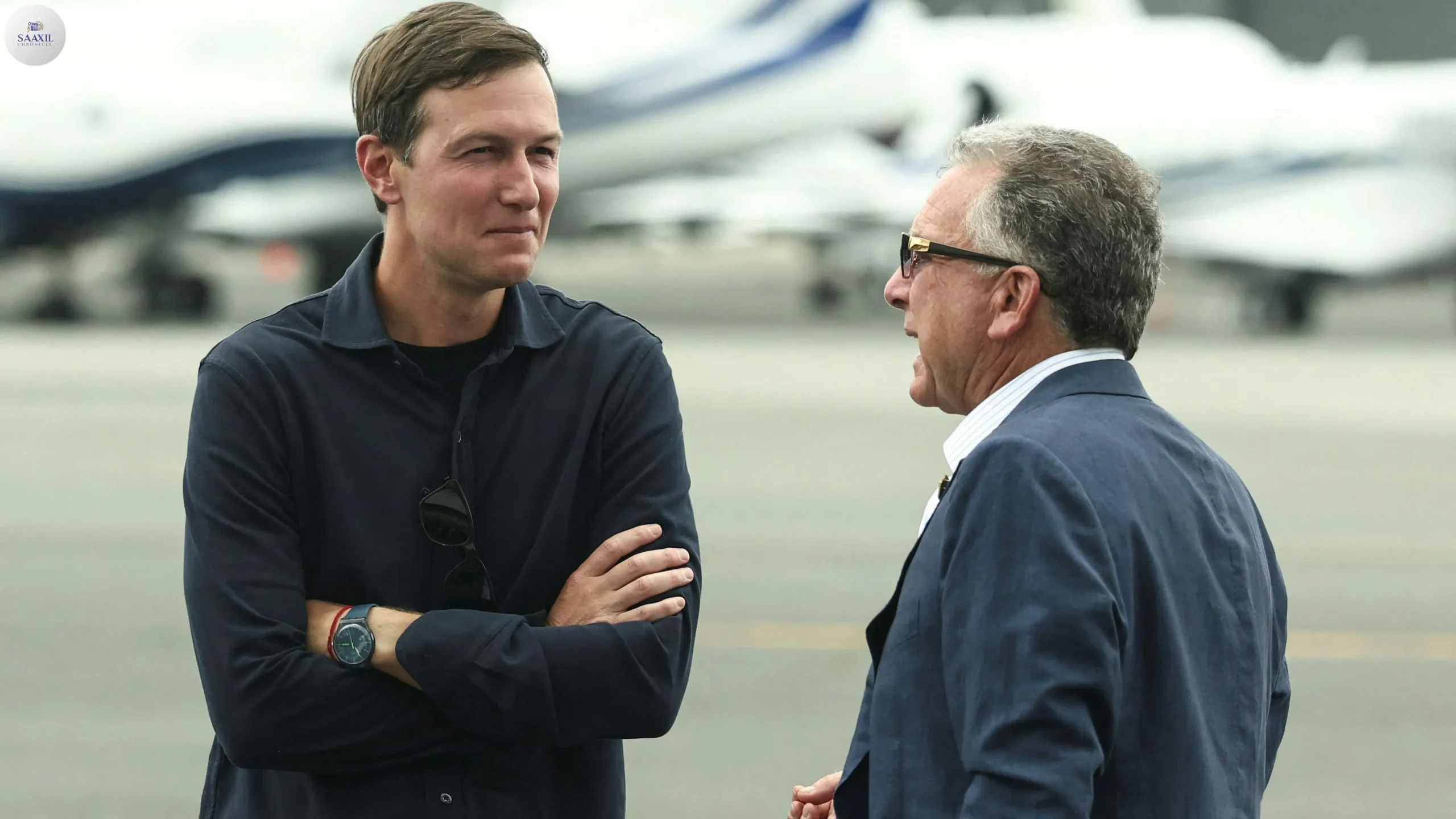
The involvement of Steve Witkoff and Jared Kushner signals a renewed US interest in Middle Eastern peace efforts. Witkoff, known for his diplomatic acumen, and Kushner, who played a significant role in the Abraham Accords during Trump’s presidency, bring a wealth of experience to the table. Their presence is expected to invigorate the talks with fresh strategies and proposals.
Kushner’s previous success in brokering peace agreements between Israel and several Arab nations is seen as a potential asset in these negotiations. His approach, often characterised by direct dialogue and economic incentives, may contribute to breaking the current impasse. Witkoff’s expertise in international relations further complements this effort, providing a balanced perspective to the discussions.
Challenges Facing the Negotiations
Despite the high-profile involvement, the path to peace remains fraught with challenges. The core issues, including territorial disputes, security concerns, and mutual recognition, continue to be significant obstacles. Both sides have entrenched positions that require careful navigation and compromise.
One of the critical hurdles is the humanitarian situation in Gaza, where the ongoing conflict has severely impacted civilian life. Addressing these humanitarian needs is essential for building trust and creating a conducive environment for peace. International observers stress the importance of incorporating humanitarian aid and reconstruction efforts into the peace framework.
Expert Opinions and Insights
Experts in international relations underscore the importance of a multifaceted approach to the negotiations. Professor Nadia Al-Masri, a Middle Eastern politics specialist, emphasises the need for inclusive dialogue that considers the perspectives of all stakeholders. “For peace to be sustainable, it must address the root causes of the conflict and engage all relevant parties, including regional powers and civil society,” she states.
Additionally, economic development is highlighted as a key factor in achieving long-term stability. Investment in infrastructure and economic opportunities in Gaza could create a foundation for peace by improving living conditions and reducing tensions.
Looking Forward: Potential Outcomes
As the talks continue, the international community remains hopeful for a breakthrough. The involvement of seasoned diplomats like Witkoff and Kushner provides a glimmer of hope for progress. However, the outcome of these negotiations will depend on the willingness of both sides to make concessions and engage in constructive dialogue.
The potential impacts of a successful agreement could be far-reaching, not only bringing relief to the people of Gaza but also setting a precedent for resolving other long-standing conflicts in the region. The world watches with bated breath as these critical discussions unfold, hoping for a future where peace prevails over conflict.
The ongoing negotiations in Cairo represent a pivotal moment in the quest for peace in the Middle East. With diplomatic efforts intensifying, there is cautious optimism that this could be a turning point in the decades-long conflict. As the talks progress, the focus remains on finding common ground and building a framework for lasting peace.