
Thousands of young Nepalis have taken to the streets in a wave of protests against what they perceive as government overreach and corruption. The unrest was sparked by the government’s decision to block several social media platforms, a move viewed as an attempt to silence dissent and control the narrative. The protests, which have turned deadly, highlight deep-seated frustrations among the youth regarding transparency and governance in Nepal.
Protests Erupt in Kathmandu
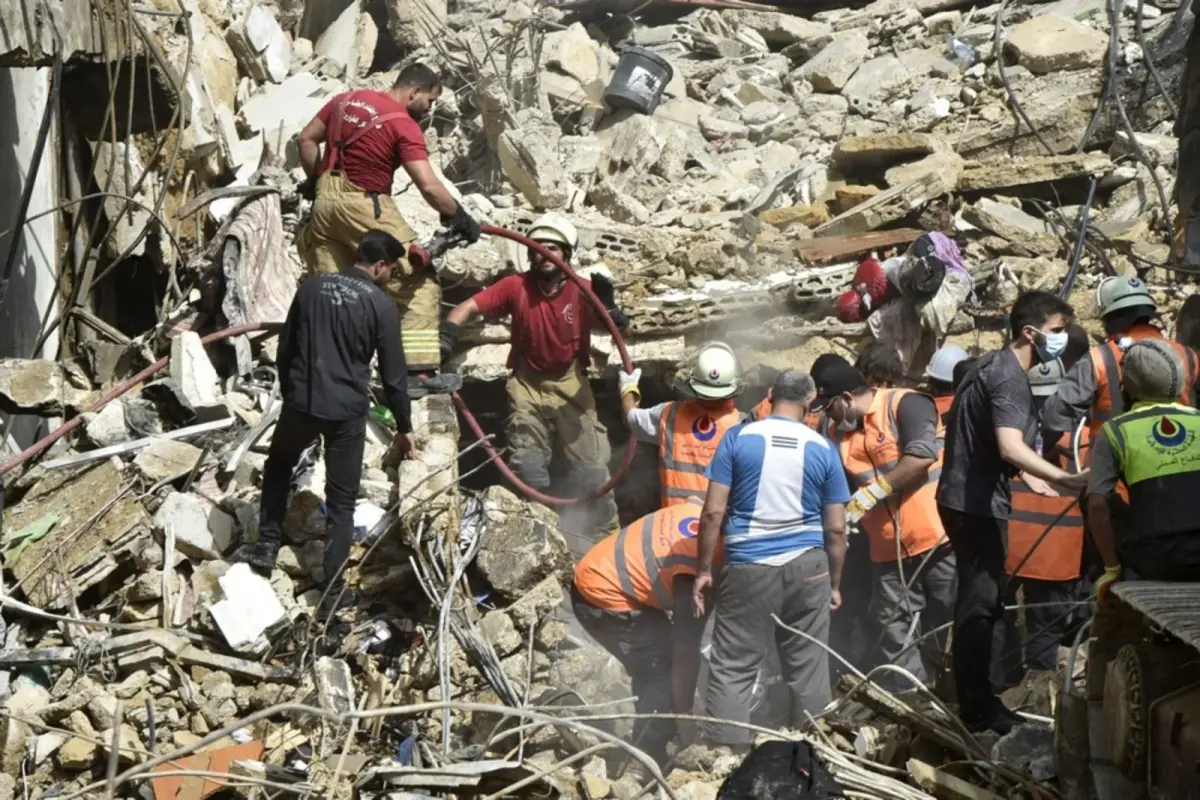
The protests began on Tuesday in the capital city of Kathmandu, where thousands of young people gathered to voice their grievances. The demonstration quickly escalated as protesters clashed with police forces, resulting in several injuries and at least one confirmed death. The government’s decision to block social media platforms such as Facebook and Twitter has been met with widespread condemnation, both domestically and internationally.
Activists argue that these platforms are crucial for communication and mobilisation, especially in a country where traditional media is often censored. “We are fighting for our right to free expression,” said Suman Ghimire, a 22-year-old protester. “Blocking social media is a violation of our rights and an attempt to hide the truth.”
Government’s Justification and Response
The Nepali government has defended its actions, claiming that the social media blackout is a necessary measure to maintain public order and prevent the spread of misinformation. Officials argue that false information circulating on these platforms could incite violence and destabilise the country.
However, critics remain unconvinced. Human rights organisations have called on the government to lift the ban and engage in dialogue with the protesters. “Suppressing voices will only lead to more unrest,” said a spokesperson for Human Rights Watch. “The government must address the root causes of these protests, not silence those who are speaking out.”
Historical Context of Corruption in Nepal
Corruption has long been a contentious issue in Nepal, with successive governments failing to tackle the problem effectively. Transparency International’s Corruption Perceptions Index consistently ranks Nepal among the most corrupt countries in the world. This systemic corruption has fuelled public discontent, particularly among the younger generation who feel disillusioned by the lack of opportunities and accountability.
The current protests are reminiscent of past movements that called for greater transparency and reforms. In 2015, similar demonstrations erupted over government mishandling of earthquake relief funds, highlighting the persistent issue of corruption in the country.
International Reaction and Implications
The international community has expressed concern over the situation in Nepal, with several countries urging the government to respect human rights and restore access to social media platforms. The United Nations has also weighed in, calling for an independent investigation into the violence and urging all parties to exercise restraint.
The ongoing unrest poses significant challenges for Nepal’s government, which is already grappling with economic difficulties and a slow recovery from the COVID-19 pandemic. The protests could have far-reaching implications for the country’s political stability and its relations with international partners.
The Role of Youth in Political Change
The youth of Nepal have historically been at the forefront of political movements, advocating for change and reform. This latest wave of protests underscores the growing frustration among young people who feel excluded from the political process and are demanding a greater say in the country’s future.
With over half of Nepal’s population under the age of 30, the youth demographic represents a powerful force for change. Their involvement in the protests signals a potential shift in the political landscape, as they push for greater transparency, accountability, and democratic reforms.
Looking Ahead: The Path to Resolution
As the protests continue, the path to resolution remains uncertain. The government’s response in the coming days will be crucial in determining the outcome of the unrest. Engaging in open dialogue with the protesters and addressing their demands could pave the way for a peaceful resolution.
For Nepal, the current situation serves as a stark reminder of the need for genuine reform and transparency. Addressing the root causes of corruption and ensuring the inclusion of young voices in the political process will be key to fostering stability and progress in the country.
In the meantime, the young protesters remain resolute in their demands, determined to hold their government accountable and fight for their rights. As the world watches, the outcome of these protests could shape the future of Nepal and set a precedent for how governments address dissent and calls for reform.