
A growing share of UK households is reshaping outdoor areas to feel calmer, quieter and easier to look after, bringing a wellness-led focus to garden planning ahead of spring works. Designers and small contractors report stronger interest in soft landscaping, simple layouts and privacy screening that reduce visual and noise clutter without major structural change. The trend emphasises restful planting, restrained colour, and seating areas that support everyday use rather than showpiece builds. Promoted by budget?conscious frameworks and lifestyle coverage, the movement points to a season of lighter?touch interventions: more planting and place?making, fewer power tools and disruptive groundworks. For homeowners and tenants, the appeal lies in steady upkeep and relief from street noise and overlooking—common pressure points in urban and suburban plots.
Calm-by-design gardens move from niche to mainstream
Homeowners who once split space between lawn, border and shed now direct attention to “feel” and function: how an area looks from key rooms, how sound carries, and how much attention the space needs during the week. That has drawn focus to soft landscaping—planting, ground covers, and modest seating zones—over heavier, permanent works. In compact plots, residents look to block unwanted views and manage noise with layered planting and screens, while keeping sightlines open from main living areas.
This shift has been building since the pandemic brought daily life outdoors, but it now centres on ease and consistency. Instead of statement features, households favour subtle structure that reads well all year—evergreen bones, restrained textures and places to sit—so the space stays usable without seasonal overhauls. The approach reduces the number of tasks and tools in play and supports steady maintenance by owners or small firms.
Simple frameworks guide choices without large budgets
Coverage this winter has amplified easy frameworks that organise decisions around light, layout and sensory impact. Rather than lists of purchases, these systems emphasise editing: fewer visual elements, repeating shapes or plants, and a short palette of materials. The aim is to lower decision fatigue and tie the space together so the eye rests and the garden feels composed from the house.
This pared?back approach resonates with renters and first?time buyers who want to avoid sunk costs. It steers attention to items that last—planters, screens, benches—and to modest planting swaps that shift the mood without disruptive excavation. For contractors, the format creates clear briefs centred on soft landscaping and light carpentry, often delivered in shorter site visits.
Noise and privacy shape layouts and planting plans
Requests for “quiet corners” and sheltered seating reflect two persistent challenges: traffic noise and overlooking. Households commonly address both by arranging solid elements—fences, walls or sheds—along boundaries and adding layered vegetation to break up sightlines and absorb sound. While plants do not block noise like masonry, dense hedging and mixed layers can soften reflected sound and create a more private feel at ear level.
Demand for these measures rises where homes sit close to roads or neighbouring windows. In those settings, small changes in layout matter: placing seats where walls or dense planting sit between people and noise sources, and aligning paths and views to avoid direct lines of sight. These are design choices rather than purchases, and they fit within typical one?day site works that many small firms offer in early spring.
Planning rules and wildlife timing remain part of the brief
Privacy and noise measures intersect with basic planning limits. In most parts of the UK, boundary treatments above two metres in height require permission, and barriers next to a highway usually face a one?metre limit. Conservation areas, listed buildings and shared boundaries add further checks, so many residents keep new structures modest and rely on planting to add height over time.
Wildlife protections also shape the calendar. The main bird nesting season typically runs from spring into summer. While routine light pruning remains common, more extensive hedge work often shifts to autumn or winter to avoid disturbing nesting birds. Contractors and residents build this timing into plans when they sequence privacy planting, screening and any heavier boundary works.
Low?maintenance planting supports steadier, year?round use
The push for calmer spaces aligns with lighter maintenance. Households lean towards mixed planting that holds structure year?round—evergreens, grasses and slow?growing shrubs—so beds do not swing from bare to overgrown. Ground covers and mulches reduce weeding and help soil hold moisture in summer, shrinking the need for frequent attention.
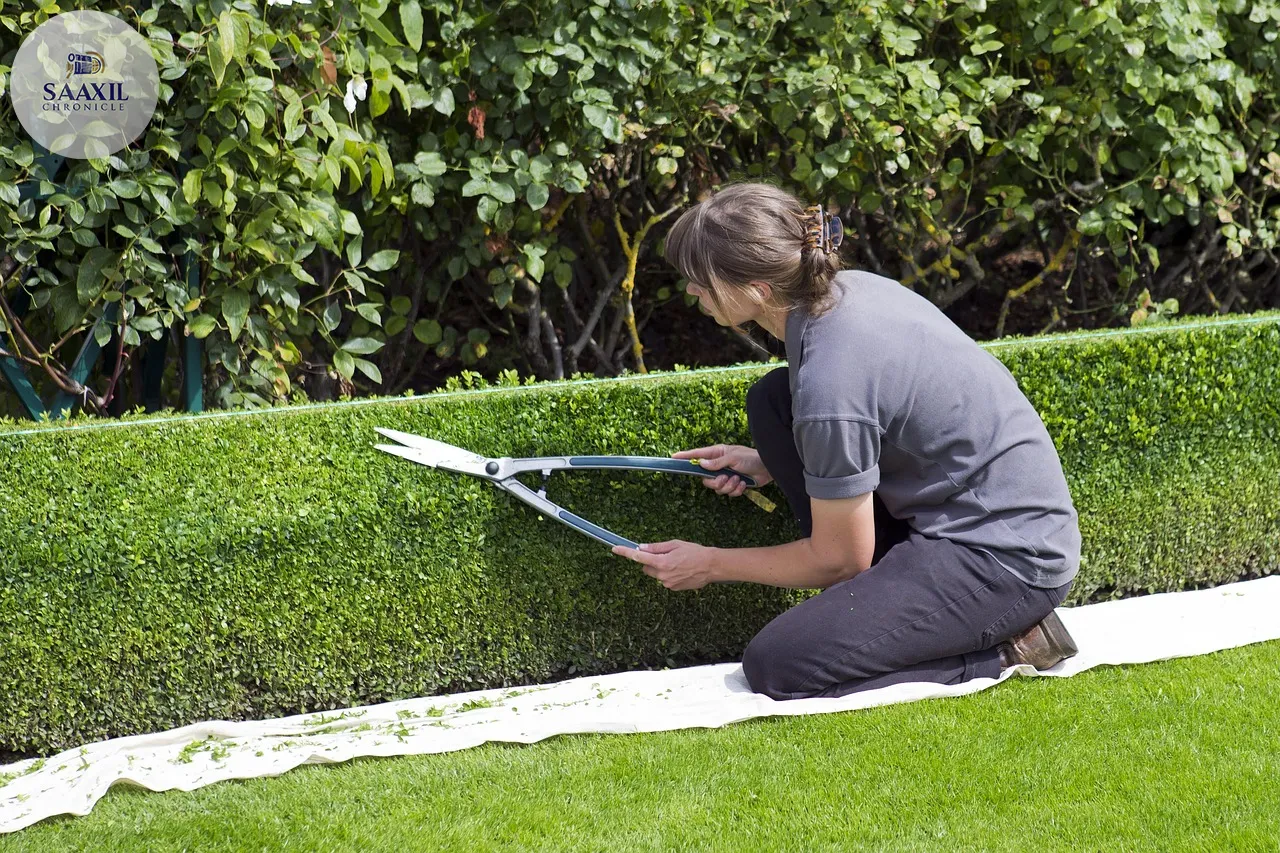
This approach suits weeknight use and tight schedules. It reduces regular mowing, edging and clipping, and limits fuel or battery use for power tools. For many gardens, the result is a stable look that changes gently across the seasons rather than peaks and troughs that demand big weekend sessions.
Renter-friendly upgrades keep flexibility in focus
Tenants and leaseholders also take part in the calm?garden trend, but they often prefer reversible changes. Freestanding planters, modular benches and lightweight screens add privacy and texture without fixing into walls or paving. Container planting supports layered looks where digging is not allowed, and it lets residents take key pieces with them when they move.
Permissions remain central in rented homes and flats. Many tenancy agreements restrict fixtures, drilling and painting external walls. As a result, improvements cluster around portable elements placed on balconies, patios and small yards. This keeps landlords comfortable while giving residents more control over how spaces feel and function day to day.
Materials and finishes lean towards natural tones and soft textures
The visual side of the trend favours natural, muted tones that recede rather than draw attention—timber, clay, stone and gravel. Repeated textures, such as slatted fencing or woven panels, provide rhythm without heavy pattern. Warm?white lighting and lower mounting heights help reduce glare after dark, supporting longer evening use without bright hotspots that disrupt views inside or out.
These choices link to practical aims: softer colours and textures integrate with planting, and permeable surfaces improve drainage during heavy rain. In compact plots, lighter?coloured surfaces can also lift ambient brightness, making small spaces feel more open without extra fixtures.
Seasonal timing puts planning work in winter and light builds in spring
A calmer garden does not require a single large project. Many households plan over winter, then book short visits in spring for planting, screening and seating. This schedule matches nursery stock availability and gives new plants time to establish before summer heat. In shared buildings, winter planning also helps residents coordinate with property managers on permissions for balconies, courtyards and communal areas.
Small contractors report that this phased pattern keeps disruption low. It spreads deliveries and site activity, reduces waste on site, and allows clients to review each step before moving to the next. The end result is a space that feels cohesive without a major demolition or hard?landscaping push.
What this means
For households, the calm?garden trend points to outdoor spaces that are easier to live with and care for, especially in smaller plots and rented homes. For small contractors, it suggests steady demand for soft landscaping, privacy screening, light carpentry and planting that improves comfort without heavy groundwork. Retailers and nurseries may see increased interest in evergreen structure, layered planting and neutral finishes. Planning and wildlife timing continue to steer decisions on boundary treatments and pruning schedules. Overall, the emphasis on quieter, simpler gardens signals a season of practical upgrades carried out in short, manageable stages.
When and where: UK consumer home media highlighted the rise of calming, budget?friendly garden planning on 7 February 2026, reflecting wider homeowner interest in low?fuss outdoor spaces (Ideal Home, online).