
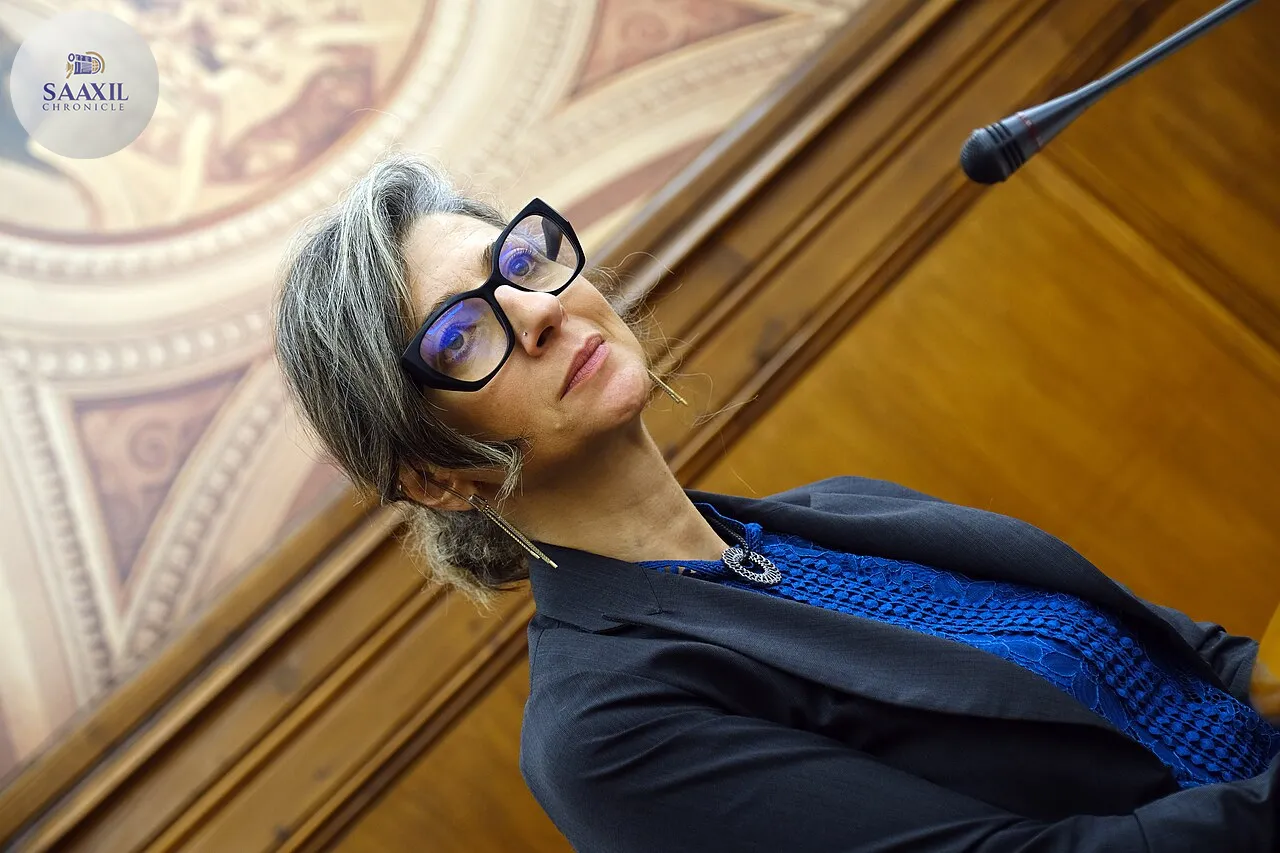
The United States has imposed sanctions on Francesca Albanese, a United Nations expert known for her critical stance on Israel’s military actions in Gaza. Announced by Secretary of State Marco Rubio, the sanctions are a response to Albanese’s outspoken support for the International Criminal Court (ICC) and her characterisation of the conflict in Gaza as “genocide.” This move has sparked significant international debate over the balance between human rights advocacy and diplomatic relations.
The sanctions were announced on Wednesday, 9 July 2025, marking a significant development in the ongoing tension surrounding the Israeli-Palestinian conflict. The decision to sanction Albanese, a lawyer and independent UN official focused on human rights in Gaza and the West Bank, highlights the contentious nature of international law and accountability in conflict zones.
U.S. Justification for Sanctions
The U.S. government has justified the sanctions by citing Albanese’s alleged bias and her perceived undermining of diplomatic efforts in the Middle East. Secretary of State Rubio stated, “Her actions and statements have not only been unhelpful but have also fueled tensions in an already volatile region.” The U.S. claims that Albanese’s support for the ICC’s investigations into potential war crimes by Israel is politically motivated and not in line with the UN’s neutral stance.
Critics of the sanctions argue that they represent an attempt to silence dissenting voices and undermine the role of international bodies in holding nations accountable. Human rights organisations have expressed concern that the sanctions could set a precedent where UN officials are penalised for their findings, potentially discouraging thorough investigations into human rights abuses.
International Reactions and Implications
The international community has been divided in its reaction to the U.S. sanctions. Some nations have sided with the U.S., viewing the sanctions as a necessary measure to protect diplomatic efforts in the region. Others, including several European countries, have criticised the move as an overreach that could stifle legitimate human rights work.
Albanese, in response to the sanctions, has defended her actions, stating, “My commitment to human rights and the pursuit of justice is unwavering. These sanctions will not deter my efforts to speak the truth and advocate for those who suffer in silence.” Her supporters argue that her work is crucial in highlighting the plight of civilians in conflict zones and ensuring that international law is upheld.
Background on Francesca Albanese
Francesca Albanese has served as a UN expert on human rights in Gaza and the West Bank since her appointment in 2022. A seasoned lawyer with a history of advocating for vulnerable populations, Albanese has been vocal about the need for accountability in the Israeli-Palestinian conflict. Her reports have often highlighted the humanitarian impact of military operations in Gaza, drawing attention to the civilian casualties and destruction of infrastructure.
Her characterisation of the conflict as “genocide” has been particularly controversial, drawing ire from those who argue that such language is inflammatory and unhelpful. However, Albanese maintains that her use of the term is based on the evidence gathered during her investigations and aligns with international legal definitions.
Impact on U.N. Operations
The sanctions against Albanese could have broader implications for UN operations and the independence of its officials. There are concerns that this move might deter other UN experts from conducting thorough investigations or speaking out on sensitive issues. The UN has yet to issue an official response, but insiders suggest that the organisation is reviewing the situation closely.
This development also raises questions about the relationship between the UN and its member states, particularly the influence of powerful nations on the organisation’s ability to operate independently. The balance between maintaining diplomatic relations and upholding international law remains a complex and delicate issue.
Looking Ahead
As the situation unfolds, the focus will likely remain on the broader implications of the sanctions. Observers will be watching closely to see how this affects the UN’s ability to conduct independent investigations and the willingness of experts to speak out on contentious issues.
The Israeli-Palestinian conflict continues to be a focal point of international attention, with human rights and accountability remaining at the forefront of discussions. The sanctions against Albanese highlight the ongoing challenges in navigating the complex interplay between diplomacy, international law, and human rights advocacy. As the debate continues, the international community will need to consider the long-term impact of such actions on the pursuit of justice and peace in conflict zones around the world.