
A tragic discovery concluded the desperate search for five miners trapped in the world’s largest underground copper mine. On Sunday, officials confirmed that all five missing workers were found dead after a section of the El Teniente mine in Chile collapsed following a seismic event. The last miner, Moisés Pavez, was discovered by rescue teams who had tirelessly drilled through metres of rock to reach the trapped individuals. This incident has cast a sombre shadow over the mining community and raised questions about safety protocols in one of Chile’s most significant industries.
The harrowing event unfolded after an earthquake struck the O’Higgins region, causing a section of the mine to collapse. The incident drew immediate attention, with rescue teams deploying swiftly in an attempt to save the miners. Despite their efforts, the operation turned into a recovery mission as hopes of finding survivors dwindled.
Unfolding of the Tragedy
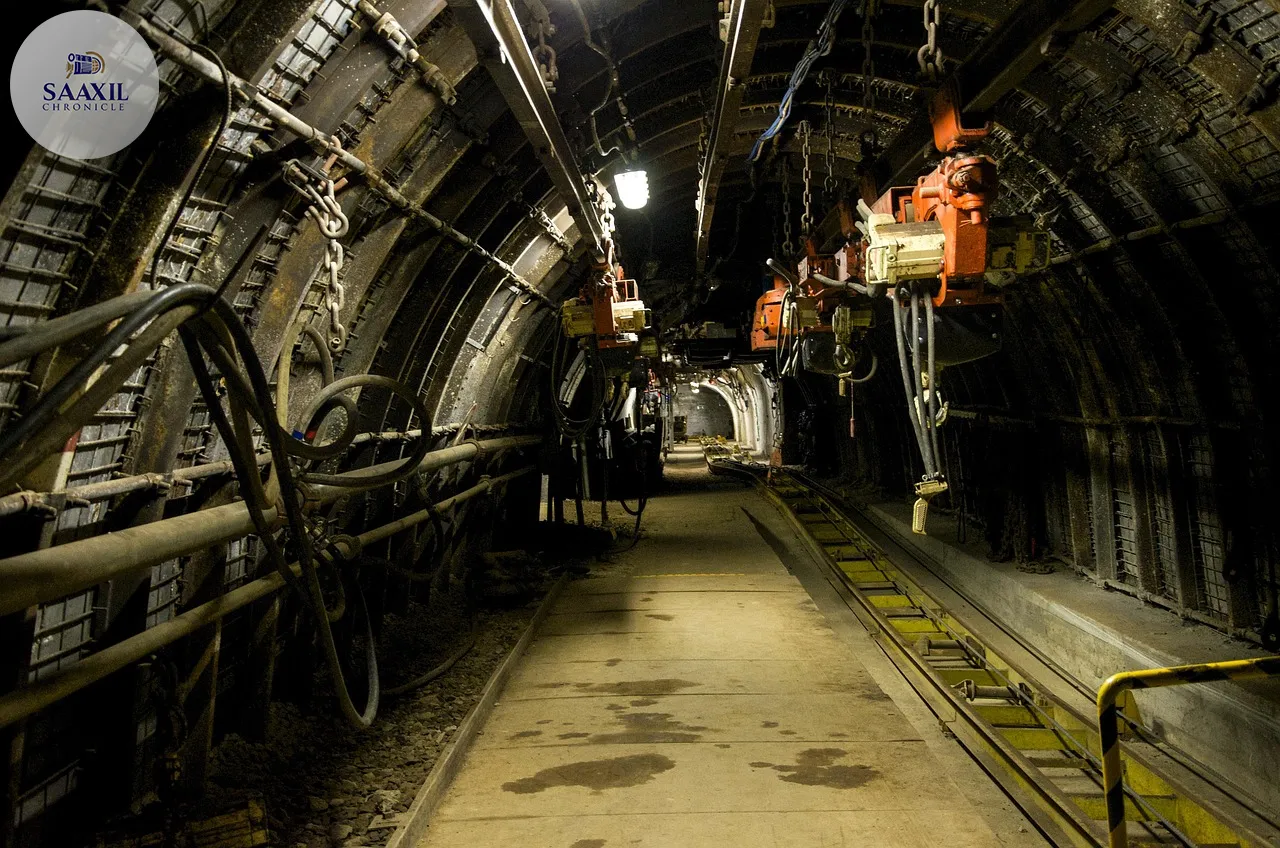
The El Teniente mine, located approximately 2,300 metres above sea level in the Andes, has long been a cornerstone of Chile’s copper production. The collapse occurred after a 5.2 magnitude earthquake rocked the region, causing significant structural failure within the mine. The disaster happened in the early hours of 31 July, prompting an urgent response from emergency services and mining officials.
Rescue operations commenced immediately, with teams working around the clock to penetrate the dense layers of rock and debris. The search was fraught with challenges, including the risk of further collapses and the complex underground network of the mine. Despite the daunting conditions, rescuers remained determined to reach the miners, employing advanced drilling equipment and strategies.
Expert Analysis and Industry Concerns
Experts have expressed concerns over the safety protocols at the El Teniente mine, which is operated by Codelco, the world’s largest copper producer. The mine’s infrastructure is designed to withstand seismic activity, given Chile’s geological volatility. However, the collapse has sparked debate over whether existing measures are sufficient to protect workers.
Mining safety specialist Dr Maria Sanchez commented, “While the mining industry in Chile is generally well-regulated, this tragic event highlights the need for continuous evaluation and improvement of safety standards, especially in high-risk areas.” Her sentiment is echoed by industry stakeholders who are calling for a thorough investigation into the incident to prevent future occurrences.
Community Impact and Response
The loss of the miners has had a profound impact on the local community and the nation at large. Families of the deceased have been left devastated, and vigils have been held to honour the lives lost. The Chilean government has pledged support to the families affected, offering financial assistance and counselling services.
President Gabriel Boric expressed his condolences, stating, “This is a heartbreaking loss for our country, and we stand with the families during this difficult time. We must ensure that such tragedies are prevented in the future through rigorous safety practices.”
Global Copper Market Implications
The incident at El Teniente has also raised concerns about potential disruptions in the global copper supply. As one of the world’s leading copper producers, any significant halt in operations at the mine could impact market dynamics. Analysts are closely monitoring the situation, with some predicting a temporary spike in copper prices due to anticipated supply constraints.
Market analyst Javier Morales noted, “While the immediate impact on global copper prices may be limited, prolonged operational disruptions could lead to more significant market shifts. It underscores the importance of stability in the mining sector for global economic health.”
Looking Ahead: Safety and Recovery
In the wake of this tragedy, there is a renewed focus on enhancing safety measures within the mining industry. Codelco has announced plans to conduct a comprehensive review of its safety protocols and infrastructure resilience. This initiative aims to bolster worker protection and prevent future incidents.
The Chilean government, alongside industry leaders, is expected to implement stricter regulations and invest in advanced technology to improve mine safety. These efforts are crucial not only for safeguarding workers but also for maintaining the country’s position as a leading copper exporter.
As the community mourns the loss of the five miners, there is a collective resolve to learn from this tragedy and ensure that their sacrifices lead to meaningful change. The incident serves as a stark reminder of the inherent risks in mining and the vital importance of prioritising worker safety above all else.