
Amidst the ongoing conflict in Gaza, the role of journalists has come under intense scrutiny. Anas al-Sharif, a well-known Al Jazeera correspondent, was among five journalists killed in a recent Israeli airstrike. This incident highlights a growing concern: the struggle not only for control of the territory but also for control of the narrative. Journalists and social media influencers in Gaza, who are documenting the devastation, face increasing risks despite international laws designed to protect them.
The airstrike that claimed the lives of five journalists occurred in Gaza on 11 August 2025. This tragic event is part of a broader strategy where the battlefield extends beyond physical territory to include the realm of information. The Israeli government has implemented restrictions on international reporters, further complicating the flow of information from the region.
Journalists as Targets
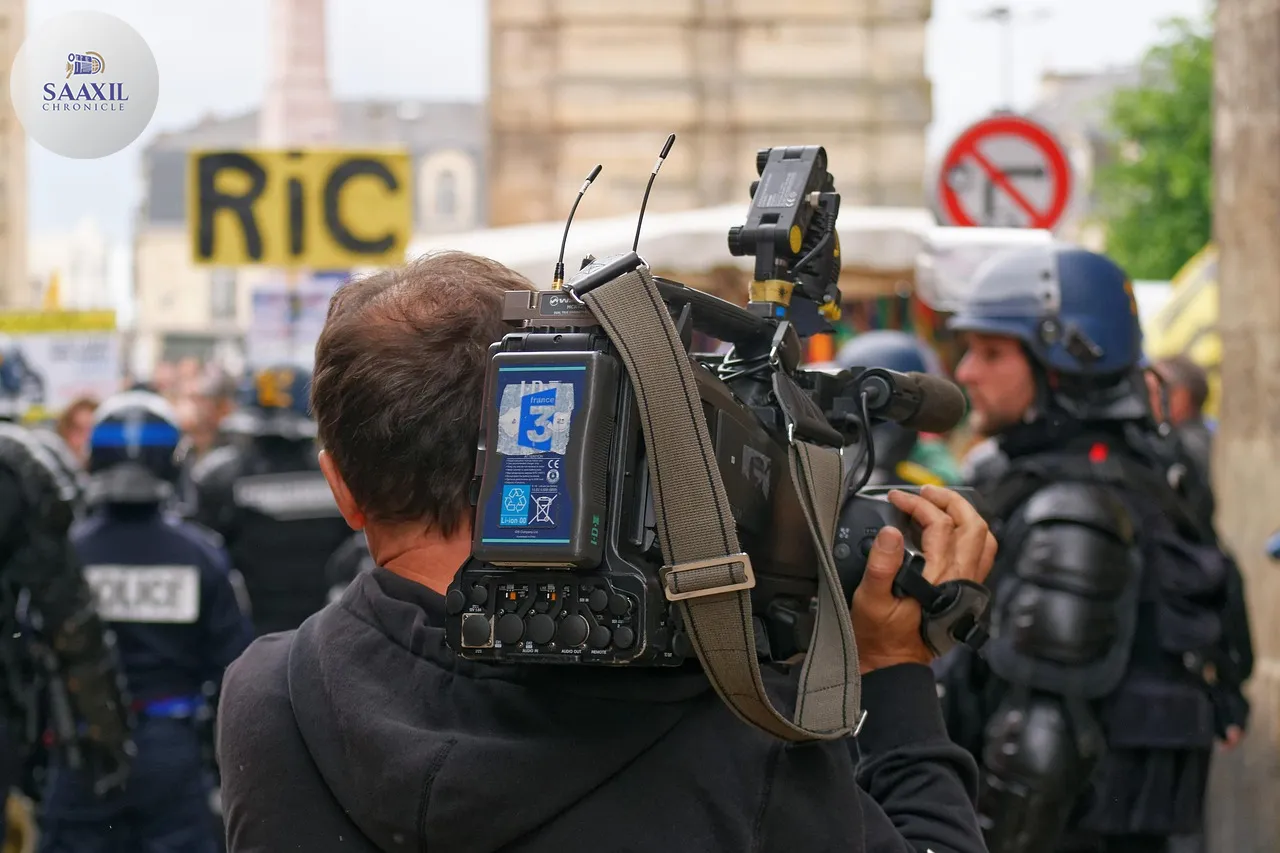
The deaths of journalists like Anas al-Sharif underscore the perilous conditions under which media professionals operate in conflict zones. Despite being classified as civilians entitled to protection under international law, journalists in Gaza find themselves in harm’s way. The targeting of media personnel raises questions about the intent behind such actions and the broader implications for press freedom.
Reports indicate that this is not an isolated incident. Over the past few months, there have been multiple accounts of journalists being injured, detained, or killed. These occurrences suggest a pattern that threatens the ability of the press to report independently and accurately on the ground realities.
Control of the Narrative
The conflict in Gaza is not just a military battle; it is also a battle over information. Israel’s restrictions on international reporters have sparked concerns about transparency and accountability. By limiting access to foreign journalists, the Israeli government can shape the narrative that reaches the global audience. This control over information dissemination allows for a narrative that may overlook or downplay certain aspects of the conflict.
Social media influencers and local journalists have stepped in to fill this void, using platforms to share firsthand accounts and images. However, they too face significant risks, as their efforts to document events can make them targets in the ongoing struggle for narrative dominance.
International Law and Press Freedom
Under international humanitarian law, journalists are afforded protection as civilians during armed conflicts. Despite this, the reality on the ground in Gaza tells a different story. The deaths and targeting of journalists raise urgent questions about the enforcement of these laws.
The international community has called for investigations into these incidents, stressing the need for accountability. Organisations such as Reporters Without Borders and the Committee to Protect Journalists have been vocal in condemning attacks on media personnel and urging for better protection measures.
The Role of Social Media
In the absence of international reporters, social media has become a crucial tool for sharing information. Platforms like Twitter, Instagram, and TikTok are being used by local journalists and citizens to broadcast real-time updates. This shift in how information is disseminated highlights the evolving landscape of journalism in conflict zones.
However, the reliance on social media also brings challenges. The spread of misinformation and propaganda can distort perceptions, making it difficult for audiences to discern fact from fiction. This underscores the importance of credible journalism and the need for accurate reporting.
Looking Ahead
The situation in Gaza remains volatile, with the conflict showing no signs of abating. As journalists continue to face threats, the international community must prioritise the protection of media personnel and uphold the principles of press freedom. Ensuring that journalists can operate safely is essential for maintaining transparency and accountability in conflict zones.
The targeting of journalists in Gaza is a stark reminder of the challenges faced by the press in conflict areas. As the battle for narrative control continues, the role of journalists remains critical in providing the world with an unvarnished view of the realities on the ground. The international community must act decisively to protect those who risk their lives to tell the stories that need to be heard.