

South Korea’s political landscape is undergoing a significant shift as Lee Jae-myung steps into the presidency amidst complex international dynamics. With the United States being a crucial ally, Lee’s approach towards the White House, now under a new administration, will be pivotal. His predecessor, Yoon Suk Yeol, had fostered strong ties with the US, even delighting audiences with a memorable performance of “American Pie” during a visit to Washington. However, Lee’s presidency introduces fresh challenges and opportunities, particularly in light of the evolving US political scene.
The inauguration of Lee Jae-myung as South Korea’s president marks a new chapter in the nation’s foreign policy. As he takes office, the world watches closely to see how he will navigate relations with a United States led by a new administration. Lee inherits a complex diplomatic landscape, with trade policies and regional security at the forefront of his agenda. His approach to these issues will be crucial in maintaining and potentially strengthening the longstanding alliance between Seoul and Washington.
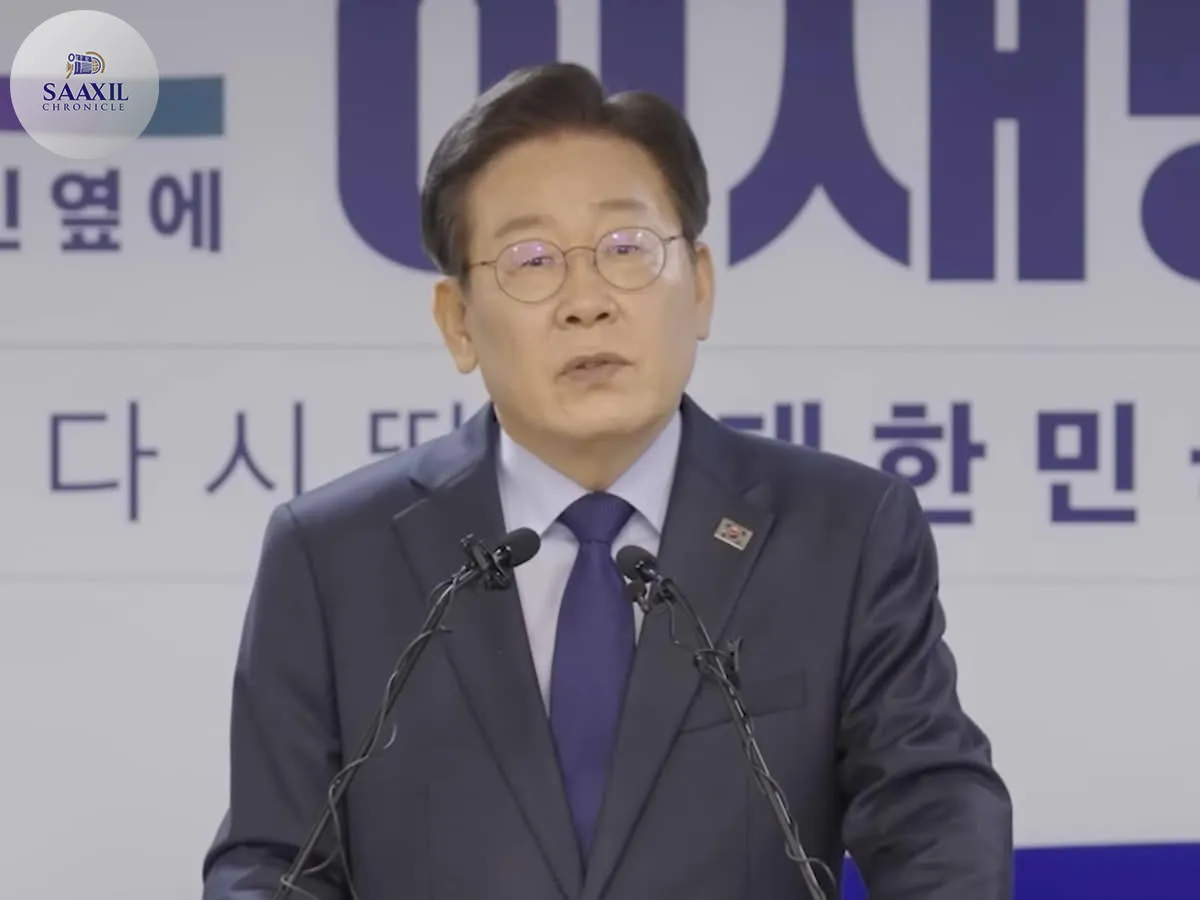
A Transformative Time for South Korean Leadership
Lee Jae-myung’s presidency comes at a time when South Korea is grappling with significant economic and geopolitical challenges. The nation, recognised as Asia’s fourth-largest economy, faces the task of reviving growth amidst global uncertainties. Lee’s leadership promises a focus on economic revitalisation, with trade relations playing a central role.
In recent years, South Korea has been navigating a delicate balance between its economic interests and security concerns. The US remains a key partner, not only in trade but also in military cooperation. Lee’s administration will need to address these dual priorities while fostering a stable environment for economic progress. His ability to engage effectively with the new US administration will be crucial in achieving these goals.
Navigating the US-South Korea Alliance
The alliance between South Korea and the United States has long been a cornerstone of regional stability in the Asia-Pacific. However, the changing political landscape in Washington presents both challenges and opportunities for Lee Jae-myung. The new US administration’s policies on trade and security will significantly impact South Korea’s strategic decisions.
Lee’s predecessor, Yoon Suk Yeol, had managed to maintain strong ties with the US, enhancing cooperation on various fronts. Now, Lee must build upon this foundation, ensuring that the alliance remains resilient amidst shifting global dynamics. His approach to engaging with the US will likely involve diplomatic finesse and strategic foresight, addressing both economic and security concerns.
Economic Strategies and Trade Relations
One of Lee Jae-myung’s primary objectives is to bolster South Korea’s economy, which has faced headwinds from global trade tensions. The new US administration’s stance on trade policies will be a critical factor in shaping South Korea’s economic strategies. Lee’s government is expected to prioritise trade agreements that benefit South Korean industries, fostering growth and innovation.
South Korea’s economic ties with the US are deeply intertwined, with bilateral trade playing a significant role in both nations’ economies. Lee’s administration will need to navigate potential trade disputes and explore opportunities for collaboration in emerging industries. By strengthening economic partnerships, Lee hopes to drive South Korea’s economic recovery and position the nation as a leader in the Asia-Pacific region.
Security and Regional Stability
Regional security remains a pressing concern for South Korea, particularly in light of North Korea’s ongoing nuclear ambitions. The US-South Korea alliance plays a vital role in deterring threats and promoting peace in the region. Lee Jae-myung’s administration will need to work closely with the US to address security challenges and ensure regional stability.
The new US administration’s approach to North Korea will significantly influence South Korea’s security strategy. Lee’s government is expected to prioritise diplomatic efforts to mitigate tensions, while maintaining a robust defence posture. By collaborating with the US on security initiatives, Lee aims to uphold peace and security in the Korean Peninsula.
Looking Ahead: Challenges and Opportunities
As Lee Jae-myung steps into his role as South Korea’s president, he faces a complex international landscape. His ability to engage effectively with the new US administration will be crucial in shaping the future of South Korea’s foreign policy. With economic revitalisation and regional security at the forefront of his agenda, Lee aims to navigate these challenges with strategic vision and diplomatic acumen.
The evolving US-South Korea relationship presents both challenges and opportunities. By fostering strong diplomatic ties and addressing key economic and security concerns, Lee Jae-myung’s presidency could usher in a new era of cooperation and growth. As South Korea charts its path forward, the world will be watching closely to see how Lee’s leadership influences the nation’s trajectory on the global stage.