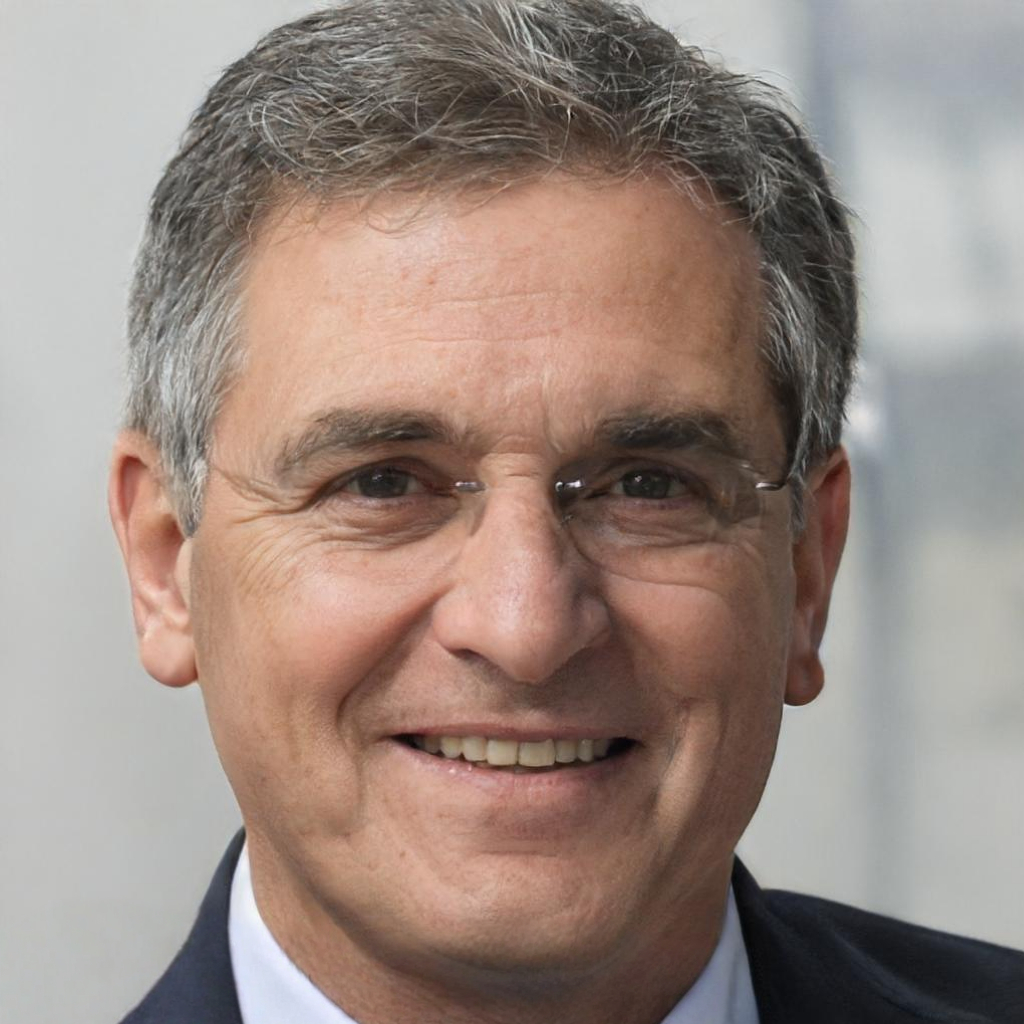

A Rutgers University historian known for his work on anti-fascism said airline staff blocked him and his family from boarding a flight to Spain on Wednesday night, telling them at the gate that their reservations had been cancelled. The traveller, Mark Bray, authored the 2017 book Antifa: The Anti-Fascist Handbook and has taught courses on anti-fascism at the New Jersey institution. Media reports noted the disruption came only hours after Donald Trump hosted a White House roundtable focused on the impact of antifa, drawing swift attention to the timing. Bray later posted on the social platform Bluesky that “Our plane to Spain is in the air!”, indicating he eventually departed. The reason for the cancellation remained unclear on Thursday, as his account prompted questions about airline procedures and the charged political backdrop.
Context and timing
The incident occurred on Wednesday evening at Newark airport in New Jersey, as Bray attempted to board a transatlantic flight with his family. Reports placed the disruption shortly after a White House discussion led by Trump that highlighted antifa, a term used for loose networks of activists who oppose far-right groups. Bray’s Bluesky update about being airborne followed his initial claim that the airline had cancelled the family’s reservations at the gate. As of early Friday, media coverage had not identified the airline involved or the cause of the cancellation.
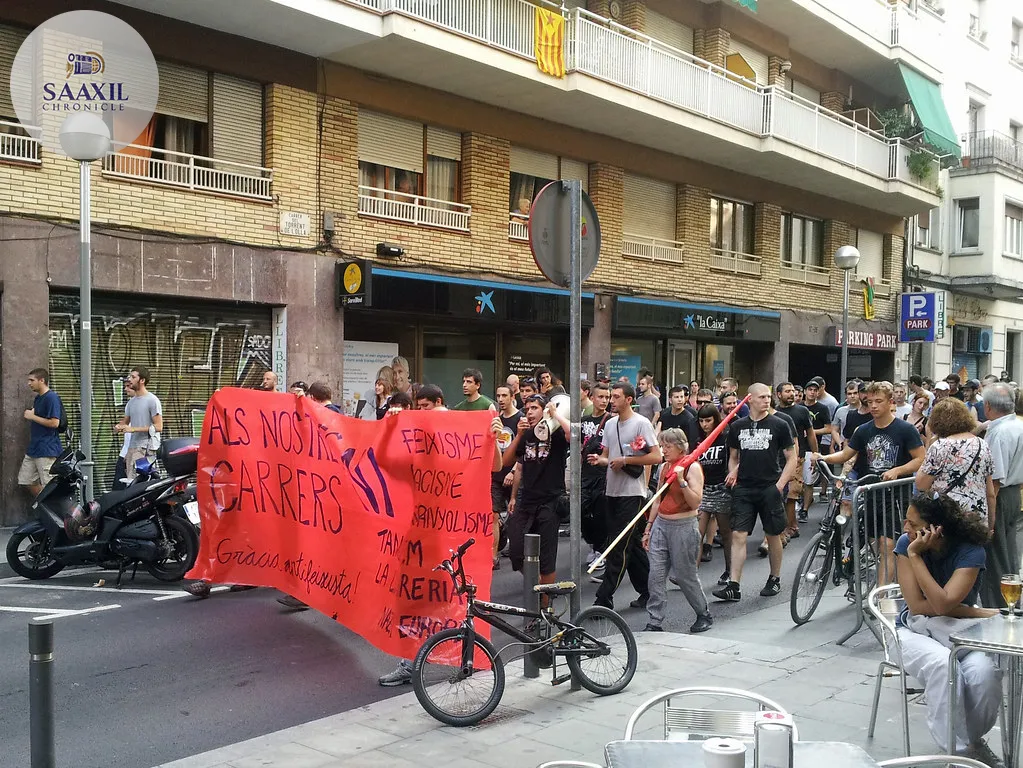
Timing draws scrutiny after White House focus on antifa
The proximity between the White House roundtable and the airport incident drew attention because of Bray’s profile and subject matter. Trump, who has long criticised antifa, used the event to highlight what he described as the movement’s impact. The roundtable added to years of political debate in the United States over how officials, law enforcement, and the public should understand and respond to anti-fascist activism.
No evidence has emerged to show a direct link between the White House event and Bray’s travel disruption. Media accounts have not reported any official explanation for the cancellation at the gate. The episode nonetheless resonated in a climate where debates over protest, extremism, and security have often spilled into wider civic life. Observers pointed to the need for clarity about how airlines and authorities handle travel interruptions that affect academics, authors, and activists.
Who is Mark Bray?
Mark Bray is a historian at Rutgers University who studies social movements and political activism. His 2017 book, Antifa: The Anti-Fascist Handbook, examined the history and tactics of anti-fascist movements and became a touchpoint in public discussions about antifa. Bray has taught courses on anti-fascism at Rutgers, and his work has featured in debates about how scholars should analyse protest movements and political violence.
Supporters of Bray’s scholarship describe it as an effort to document and explain a set of loosely organised practices that respond to far-right mobilisation. Critics argue that normalising confrontational tactics risks escalating conflict. Bray’s prominence means incidents involving his travel or public speaking often attract media notice, especially when they coincide with national political messaging about antifa.
What happened at Newark: a brief account
According to media reports, Bray and his family reached the boarding gate for their flight to Spain when staff informed them that their reservations had been cancelled. Such a notification can bring travel plans to a halt because airlines typically cannot reissue boarding passes until they resolve the underlying booking problem. The situation left the family unable to board as planned.
Bray later posted on Bluesky, writing: “Our plane to Spain is in the air!” That message indicated he had boarded a subsequent departure. He did not share further details in the reported posts about the cause of the cancellation, the airline’s response, or whether the family rebooked on the same carrier. As of publication time, media reports had not identified any statement from the airline or federal authorities explaining the interruption.
How airline cancellations at the gate can happen
Gate cancellations can occur for a range of reasons. Airlines control ticketing and reservation systems, and they can cancel or block boarding because of schedule changes, overbooking, payment verification issues, name or document mismatches, or operational disruptions. Carriers also must comply with government security requirements, including identity checks and watchlist vetting, before they allow passengers to board.
Security screening in the United States involves multiple steps. The Transportation Security Administration runs Secure Flight vetting, while other agencies maintain watchlists for aviation security. A match, a false positive, or a documentation concern can trigger delays while staff verify identities or resolve data errors. Not all gate cancellations relate to security; many stem from airline systems or administrative problems. Media reports about Bray’s experience did not specify the reason in his case.
Antifa in US politics: a contested term
The term “antifa” generally refers to a loose, non-hierarchical set of activists who oppose fascism and far-right movements. Researchers and journalists have noted that these networks do not operate as a single organisation. Public debate over antifa grew after high-profile clashes at rallies in recent years, and it continues to divide political leaders, law enforcement officials, and civil liberties advocates.
Trump and his allies have frequently cited antifa as a threat, arguing that authorities should take stronger action. Scholars and rights groups counter that the term often serves as a broad label that can blur lines between violent conduct and lawful protest, complicating policy responses. Bray’s book and teaching sit within that dispute, which helps explain why a travel disruption involving him drew national notice.
What remains unclear and what to watch
Key facts remain unknown. Media reports have not named the airline that cancelled the reservations at the gate, and they have not linked the disruption to any specific security action. They also have not indicated whether the airline offered an explanation to Bray or his family. Without an official account, the public record consists of Bray’s description of events and his later message that he was en route to Spain.
In situations like this, further clarity often depends on formal statements from the airline or relevant agencies. Travellers who face similar problems can typically seek assistance at the ticket counter and, if they suspect a vetting error, pursue redress through established government channels. None of these steps imply a cause in Bray’s case; they outline general routes used to resolve travel interruptions.
Wrap-up
Mark Bray’s experience highlights how a disrupted boarding at the gate can cascade into a public story when the traveller’s work sits at the centre of national debate. He reported that airline staff cancelled his family’s reservations as they tried to board a Spain-bound flight from Newark on Wednesday night. Hours later, he said he was in the air, but the reason for the cancellation remained unknown. The timing, coming after a White House event focused on antifa, added intensity to the coverage without establishing any direct connection.
The unanswered questions now rest with the airline and, if relevant, federal agencies. Any explanation could ease concerns about whether this was a routine systems problem, a documentation matter, or something else entirely. Until then, the case underscores the need for transparency in air travel decisions and clear lines of communication when bookings fail at the gate, especially when politics magnifies a private disruption into a national talking point.