
Robert F. Kennedy Jr, a prominent vaccine sceptic and political figure, recently announced the cancellation of $500 million in mRNA vaccine development projects within the United States. This decision marks a significant shift in the country’s approach to vaccine research and regulation since Kennedy assumed office. His administration’s stance on vaccines has sparked widespread debate, especially in light of the ongoing global health challenges. Kennedy’s move reflects his long-standing criticism of vaccine safety and regulatory practices, a position that has drawn both support and criticism from various sectors.
The announcement came on Tuesday, 5th August 2025, during a press conference held in Washington, D.C. Kennedy, known for his vocal opposition to certain vaccines, stated that the decision was part of a broader effort to reassess the safety and efficacy standards of vaccines in the country. “Our priority is to ensure that any medical intervention, including vaccines, meets the highest safety standards,” Kennedy said, emphasising the need for transparency and rigorous testing in vaccine development.
A New Era in Vaccine Regulation
Kennedy’s decision to halt mRNA vaccine projects is part of a larger initiative to overhaul the regulatory framework governing vaccines in the U.S. Since taking office, Kennedy has focused on increasing scrutiny over pharmaceutical companies and the processes involved in vaccine approval. His administration aims to implement stricter guidelines to ensure that vaccines are not only effective but also safe for public use.
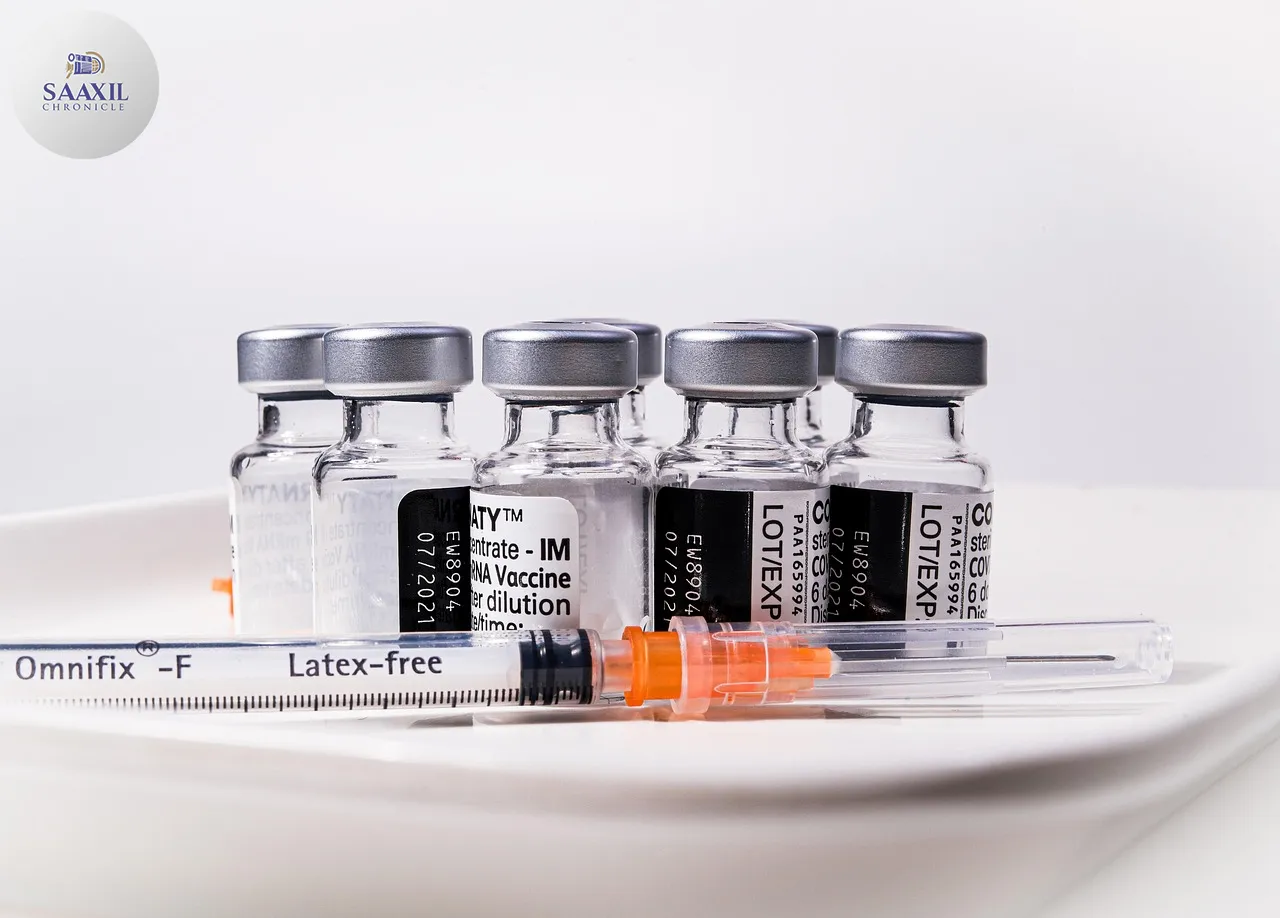
The mRNA technology, which gained prominence during the COVID-19 pandemic, has been hailed for its rapid development and adaptability. However, Kennedy has raised concerns about the long-term effects and potential risks associated with this technology. His administration’s decision to pause funding reflects a cautious approach, prioritising safety over speed in vaccine development.
Mixed Reactions from Health Experts
The decision to cancel significant mRNA projects has elicited mixed reactions from the medical and scientific communities. Some experts applaud Kennedy’s focus on safety and transparency, arguing that it could lead to more robust and reliable vaccines. “This could be an opportunity to address legitimate concerns and improve public confidence in vaccines,” said Dr Sarah Mitchell, a public health expert.
However, others warn that halting mRNA research could hinder progress in combating infectious diseases. Dr James Liu, a virologist, expressed concern that this move might slow down innovations in vaccine technology. “The mRNA platform has shown great promise in responding to emerging health threats. It’s crucial that we continue to explore its potential,” Liu stated.
Economic and Global Implications
The cancellation of $500 million in mRNA projects also carries significant economic implications. The funding cut could impact numerous biotech firms and research institutions reliant on government contracts to advance their work. This decision may lead to job losses and a slowdown in innovation within the biotech sector.
On a global scale, the U.S. decision to pause mRNA vaccine development could influence other countries’ approaches to vaccine research and regulation. As a leader in medical innovation, the U.S.’s actions often set precedents that others follow. The international community will be closely watching how this regulatory shift affects global health initiatives and the development of new vaccines.
Public Response and Political Ramifications
Public response to Kennedy’s announcement has been polarising. Supporters of Kennedy’s stance on vaccine regulation argue that increased scrutiny is necessary to ensure public safety. Advocacy groups, particularly those concerned with vaccine safety, have praised the decision as a step towards greater accountability.
Conversely, critics argue that Kennedy’s actions could undermine public trust in vaccines and public health efforts. Some fear that the move might fuel vaccine hesitancy, a growing concern worldwide. “We need to balance safety with the urgent need to protect public health,” said Senator Emily Carter, a vocal critic of Kennedy’s vaccine policies.
Forward-Looking Perspectives
As Kennedy’s administration continues to reshape vaccine policy in the U.S., the implications of this shift will unfold over time. The focus on safety and transparency could lead to more stringent regulatory standards, potentially setting new benchmarks for vaccine approval processes. However, it remains essential to ensure that these changes do not stifle innovation or delay the development of crucial medical interventions.
Looking ahead, the global health community will be keenly observing how the U.S. navigates these challenges. The balance between ensuring vaccine safety and fostering innovation will be critical in addressing future health crises. Kennedy’s decision marks a pivotal moment in the ongoing debate over vaccine regulation, with potential repercussions that extend far beyond the U.S. borders.