
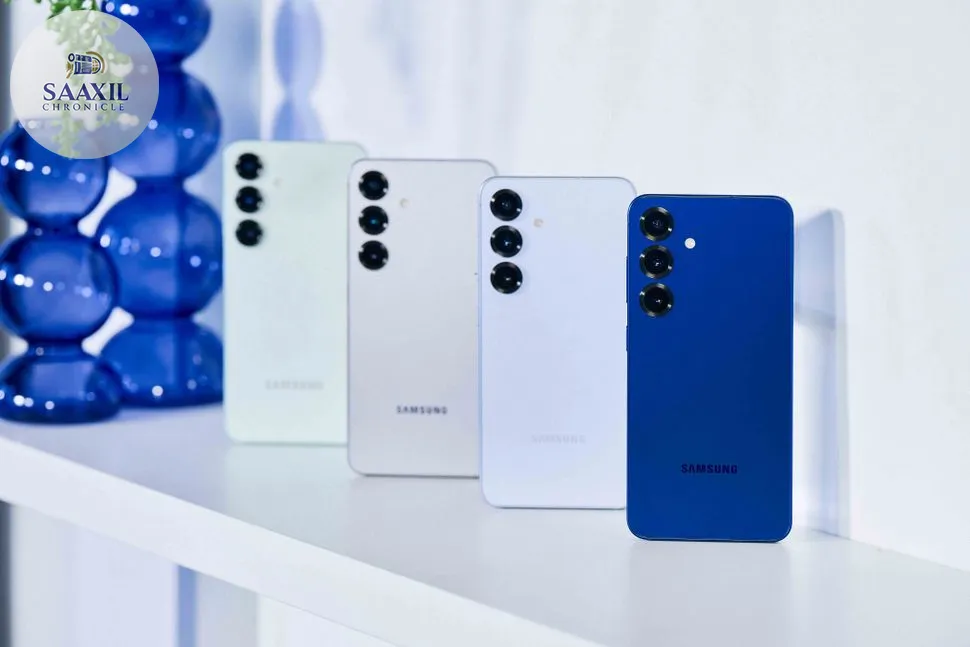
A reader poll has found limited enthusiasm for Samsung’s next flagship smartphone. In the survey, 70% of respondents said they were not excited about the Galaxy S26. The response underscores a wider challenge across premium phones: convincing buyers that a new model offers enough value to upgrade. While the Galaxy S series sits at the top of Samsung’s line-up, many users now keep their devices for longer and expect clear, practical gains before they switch. The finding reflects sentiment among a technology-focused audience rather than the broader public, but it highlights the debate around annual refreshes and feature updates. It also points to how users weigh battery life, durability, camera performance and long-term software support against price and the promise of new features.
(Image credit: Samsung)
Poll result highlights a sentiment shift in the flagship cycle
The headline result is clear: seven in ten respondents to the TechRadar reader poll report that they are not hyped about the Galaxy S26. The remaining segment splits between those who are excited and those who are undecided. Reader polls capture the views of an engaged, tech-aware community that follows device launches closely. This audience pays attention to feature lists, software policies and design changes, and it often upgrades more frequently than the general public. Even so, a 70% “not excited” response suggests a tougher environment for building anticipation around an annual flagship.
The Galaxy S series remains central to Samsung’s premium strategy, alongside foldable models and mid-range lines. Each year’s S device typically sets the tone for Samsung’s Android software features and long-term update plans. Enthusiasm gaps in this category matter because this is where manufacturers showcase their latest display technology, camera systems and on-device software capabilities. A muted reception among enthusiasts can signal fatigue with iterative updates, even if sales still depend on broader factors such as carrier promotions, trade-in deals and retail availability.
Why excitement may be harder to spark: maturing hardware and longer lifespans
Modern smartphones have matured in key areas like display quality, performance and camera systems. Each new generation often delivers incremental improvements rather than sweeping changes. This steady progress benefits users, as even mid-range devices now handle everyday tasks well. It also raises the bar for what counts as a must-have upgrade. Buyers may look for clear gains in battery life, low-light photography, sustained performance or durability before they commit to a costly new device.
At the same time, software support has improved across the industry. Makers now commit to longer periods of operating system and security updates on high-end models, which helps extend a phone’s usable life. When a device receives feature updates and security patches for several years, many owners feel less urgency to upgrade on a yearly basis. Combined with economic pressures and the availability of trade-in programmes, this can spread out replacement cycles and reduce the immediate appeal of each new flagship launch.
Understanding what matters to buyers: practical gains over headline features
People tend to value improvements that make daily use easier and more reliable. Battery endurance that lasts a full day, robust build quality, and consistent camera performance in a wide range of lighting often top the list. Software also plays a central role. Users look for stable system updates, useful additions that do not clutter the interface, and clear privacy and security controls. These practical factors often influence satisfaction more than experimental features, which may draw attention at launch but see limited use.
Price and value remain decisive. Premium phones carry premium costs, and buyers compare those prices against the tangible benefits they expect to receive. If a current phone still feels fast, takes good photos and receives regular updates, a new flagship must offer obvious, meaningful improvements to earn an upgrade. This reality helps explain why an enthusiast audience may report low excitement if it does not see a clear use case for switching to the next model.
The stakes for Samsung’s flagship line and its ecosystem
Samsung’s flagship phones serve as the showcase for the company’s mobile hardware and software. They often introduce camera improvements, AI-powered features, and display and chip updates that later filter through to other devices. The Galaxy S line also acts as a bridge to other parts of Samsung’s ecosystem, such as wearables, tablets, and connected home products. User sentiment towards the flagship can therefore shape perceptions of the wider platform.
A poll capturing low excitement ahead of a major release does not equate to sales performance, and it does not reveal the full market view. It does, however, point to communication challenges. Buyers want clear explanations of what has changed and why it matters to them. If that message does not land early, even strong technical advances can feel abstract. As manufacturers extend software support windows and maintain familiar designs, they need to show everyday benefits in areas users notice most.
How to read audience polls: signal, not certainty
Reader polls provide a snapshot of opinion among a community that follows technology news. They are quick to run and easy to take, which makes them useful for gauging sentiment. However, they are not scientific surveys. The sample reflects the site’s audience, not a cross-section of all smartphone buyers. Results also capture intention and interest rather than final purchasing behaviour, which depends on many other factors.
Even with those limits, a 70% “not hyped” response offers a clear signal: many engaged users approach the next flagship with caution. They want evidence of meaningful change, and they reserve judgement until they see confirmed details, independent reviews and pricing. For manufacturers and retailers, these snapshots can help shape launch messaging and identify where potential buyers remain unconvinced.
What this means
-
For users: The poll aligns with a trend where many owners keep devices for longer and wait for concrete improvements before they upgrade. If your current phone receives updates and meets daily needs, you may feel less pull towards annual flagships.
-
For manufacturers: Building excitement now requires more than headline specs. Clear communication about real-world gains in battery life, camera performance, software stability and longevity can help address scepticism among informed buyers.
-
For networks and retailers: Longer replacement cycles can influence upgrade campaigns and trade-in strategies. Buyers often choose flexible plans and look for competitive offers when they do decide to switch.
-
For the wider market: Enthusiast sentiment shapes the conversation around new releases. It can highlight where messaging falls short and where users seek more practical value from premium devices.
When and where
Source: TechRadar reader poll and article published on 6 February 2026.
The takeaway:
A reader poll showing 70% of respondents are not excited about the Galaxy S26 highlights a cautious mood among engaged Android users. It suggests many buyers now wait for clear, practical gains before they upgrade, especially as software support lengthens and hardware improvements feel more incremental. The result does not forecast sales or speak for the full market, but it points to a communications challenge for any flagship launch: explain what has changed in plain terms and show how that change improves daily use. As premium phones compete on longevity, reliability and software, the conversation shifts from novelty to value. The coming launch cycle will test how well that message reaches users who want progress they can see and feel.