
Dozens of protesters stormed the COP30 climate summit venue in Belém late on Tuesday, pushing past security and entering the UN-run Blue Zone that hosts official talks. Witnesses described men and women, including some wearing brightly coloured feather headdresses, running through the main entrance and forcing at least one door from its hinges before moving through metal detectors and into the restricted area. The tense scenes unfolded as conference organisers spotlighted civil society, with NGOs and Indigenous groups invited to play a larger role in the negotiations. The breach raised immediate questions about security and access at a summit that aims to foster open participation while protecting a tightly managed negotiating space.
The incident took place late Tuesday night at the conference centre in Belém, in northern Brazil, inside the Blue Zone where accredited delegates, observers and media conduct formal business.
Tense scenes in Belém’s Blue Zone
Witnesses at the COP30 venue reported brief tussles as security guards tried to contain the surge of protesters at the entrance. Video from the scene showed a group entering in a rush, with some participants wearing traditional feathered headdresses as they moved through security checkpoints. Staff responded quickly at the doorway and attempted to restore order as people crossed the threshold into the Blue Zone.
The Blue Zone forms the core of UN climate summits. Governments, negotiators, accredited observers and media work there under UNFCCC rules. Entry requires accreditation and screening. The breach in Belém highlighted the challenge of keeping a secure negotiating environment while ensuring that civil society can access the process. Organisers had flagged a prominent role for NGOs and Indigenous representatives, and the events on Tuesday underscored the high stakes and strong emotions around climate policy in the Amazon region.
Why Indigenous voices stand at the centre of COP30
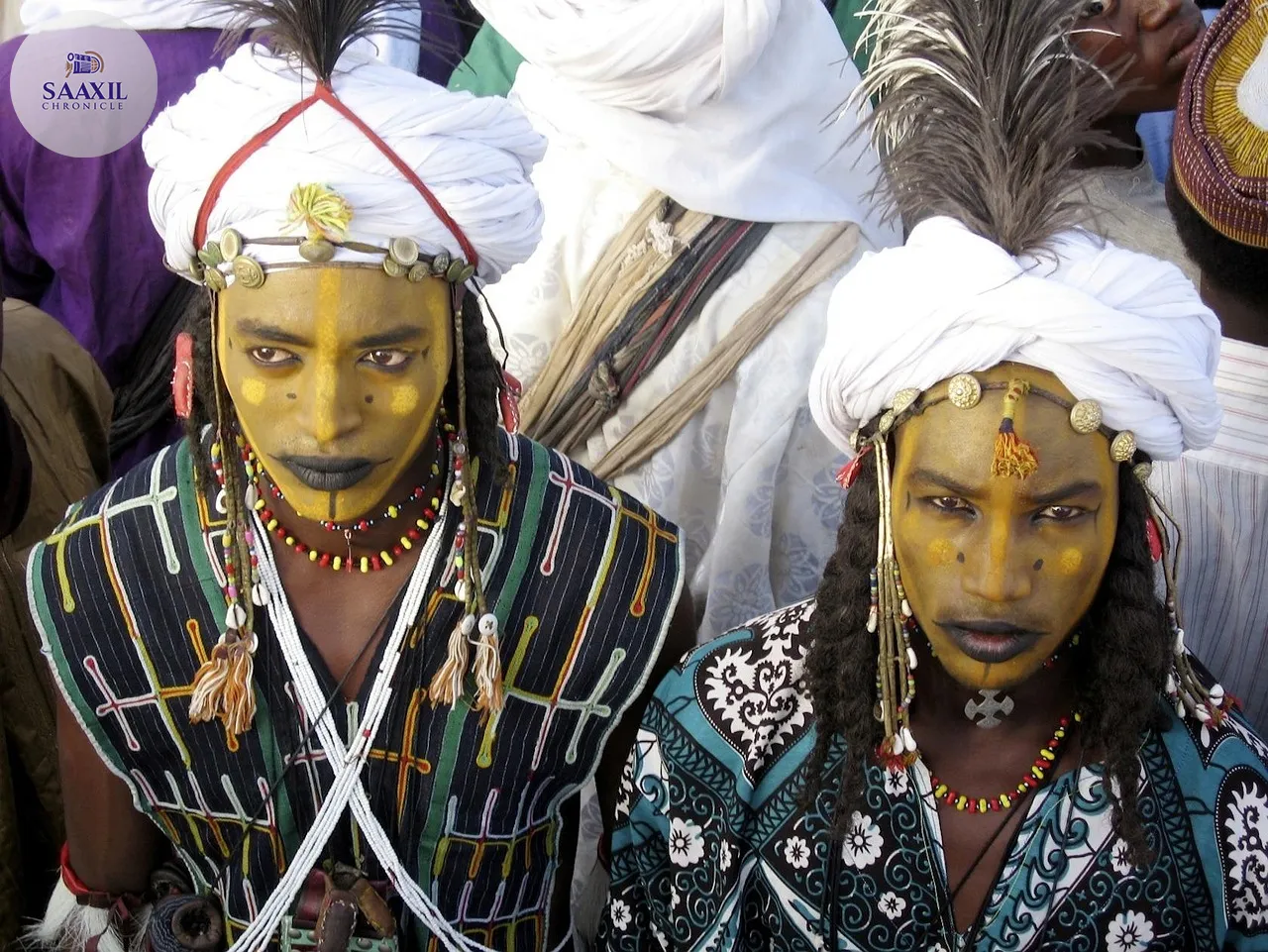
Indigenous leaders and community advocates have pushed for stronger recognition in climate decision-making, especially in Brazil, where the Amazon shapes global climate stability. The presence of protesters in traditional dress on Tuesday reflected that identity and the long-running call for land rights, protection from deforestation and recognition of Indigenous knowledge in safeguarding forests. Belém, a gateway to the Amazon, provided a visible platform for these demands.
Organisers positioned COP30 as a summit that elevates civil society and Indigenous groups more than previous conferences. Many campaigners argue that communities who live in and steward forests carry solutions that governments must embed in targets and funding. The Amazon’s health influences rainfall patterns, biodiversity and carbon storage far beyond Brazil’s borders. Indigenous organisations stress that secure land rights and strong enforcement can reduce forest loss and support climate goals.
Security and access rules at UN climate summits
The UNFCCC administers the Blue Zone, which hosts plenary sessions, negotiations and official side events. Delegates and observers pass through metal detectors and must carry accreditation badges. The host country typically manages the adjacent Green Zone for public exhibitions and cultural programming. That space allows broad access and encourages public engagement, while the Blue Zone keeps a stricter perimeter to protect negotiations.
Tuesday’s breach tested those arrangements. Security teams aim to balance inclusion with safety, especially when organisers promote wider participation. Clear routes for registered protests, defined assembly areas and rapid-response protocols form part of standard planning for COP meetings. When large groups move unexpectedly toward controlled entrances, guards must act within rules that safeguard participants and maintain the agenda. The episode in Belém will likely prompt a review of entry points and crowd management at busy periods.
Protest as a fixture of global climate talks
Protest has long marked the rhythm of UN climate summits. Marches, sit-ins and creative actions often accompany key moments in the talks, as activists attempt to build pressure on governments to raise ambition and deliver finance. Authorised demonstrations usually take place in designated areas inside the Blue Zone and in public spaces outside the venue. Campaigners argue that visible protest keeps climate justice, funding gaps and human rights on the negotiating table.
Inside the Blue Zone, observers can organise actions that follow strict guidelines, including limits on size, location and duration. The late-night surge in Belém deviated from those norms. It showed how quickly tensions can rise when expectations about influence, access and security collide. Organisers encourage expression, but they set rules to protect safety and ensure negotiators can work. The breach illustrated the fine line between a vibrant civic presence and disruptions that impede the programme.
Belém’s Amazon setting raises the stakes
Hosting COP30 in Belém brings the climate debate into a region that faces intense pressure from deforestation and illegal extraction. Communities across the Amazon have called for stronger protections, improved enforcement and sustainable development that respects local livelihoods. The choice of Belém ensures that Indigenous and community voices stand closer to the heart of high-level decisions than in many previous summits.
That context helps explain the energy and urgency on display. For many advocates, climate diplomacy in the Amazon cannot ignore local realities: land conflicts, biodiversity loss and the need for finance that reaches frontline communities. When the summit highlights an “unprecedented role” for NGOs and Indigenous groups, expectations rise about access and influence. Any perceived gap between that promise and the on-the-ground experience can fuel frustration, which can spill over in visible ways.
What the breach means for COP30’s agenda and tone
Security incidents at major summits can shape tone, but they rarely derail the agenda. Negotiators typically continue their work while organisers adjust access and reinforce protocols. In Belém, officials will likely review door controls, staffing and communication with civil society groups to prevent repeat scenes. Clear, timely guidance about where and how to demonstrate can reduce tension and keep participants safe.
The episode also puts a spotlight on the substance of the talks. Indigenous groups and NGOs want stronger commitments on forest protection, land rights and climate finance that reaches communities. They also want formal seats at the table, not just symbolic participation. The visibility of the breach may amplify those messages and add urgency to calls for concrete outcomes that reflect local knowledge and protect the Amazon.
The late-night breach at COP30 in Belém showed the intensity around climate negotiations in the Amazon’s gateway city. Dozens of protesters pushed into the Blue Zone after forcing an entrance, and security teams moved to contain the surge. The incident highlighted the summit’s central tension: open doors for civil society and Indigenous representatives, alongside tight controls around official talks. Organisers now face a practical test as they safeguard access while preventing disorder. The events in Belém will likely prompt stronger crowd management and clearer protest channels, but they also amplify the core demand that drives many to the venue—credible action to protect forests and uphold Indigenous rights. How the summit balances security and inclusion in the coming days may shape both the tone of the talks and the trust of the communities that COP30 set out to elevate.