
A year after floodwaters tore through Valencia, survivors say the clean-up cleared the streets but not the anger. They now push for consequences and clear accountability. Many direct their demands at regional president Carlos Mazón. They point to the scale of the disaster, which reporting has described as Spain’s worst natural disaster this century. Residents still find reminders on their doorsteps. In Benetússer, on the city’s southern edge, a bare entrance to a block of flats remains without doors. A small sign inside marks a terrible measure. It reads: “The flood waters rose this high on 29 October 2024.” The line sits 2.5 metres above the floor.
People recall the endless mud that coated pavements and floors across the city. They remember the jumbles of wrecked cars and mountains of sodden belongings that piled up and began to stink in the humid coastal air. Crews and volunteers removed the debris. Families replaced the bare essentials. Yet the fury lingers, and the focus now falls on what went wrong and who should answer for it.
Context and timing
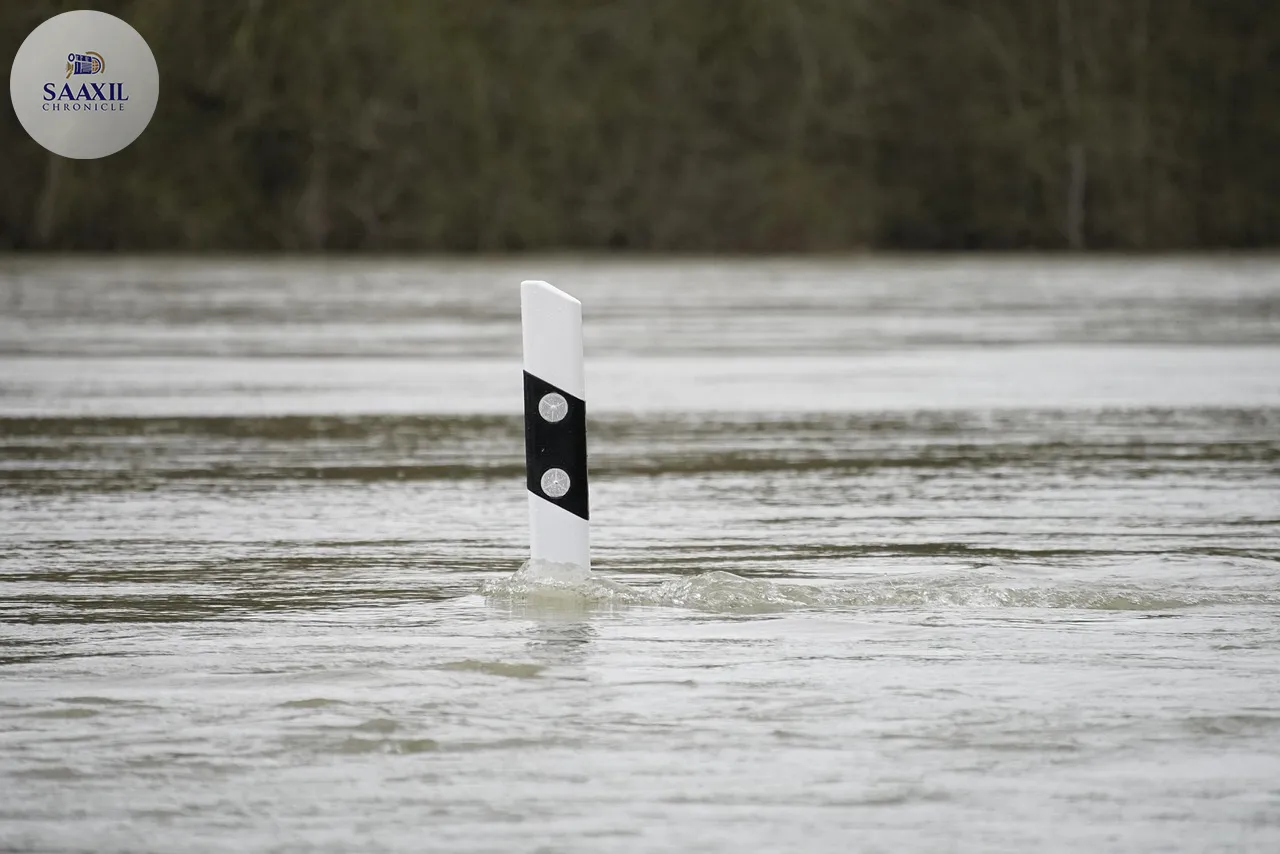
The floods hit Valencia on 29 October 2024. The waters surged through neighbourhoods across the metropolitan area. A year on, in late October 2025, residents in districts such as Benetússer still live with visible scars. Signs mark high-water lines above doorways. Gaps remain where doors and fixtures once stood. The anniversary has sharpened calls for responsibility and reform.
A city still marked by high-water lines
You can walk through Benetússer and spot the traces. People see new paint on some walls but also bare frames where doors should hang. The sign inside the block on the southern outskirts says it all: “The flood waters rose this high on 29 October 2024.” The 2.5?metre mark fixes a public memory. It turns a hallway into a witness. It prompts questions about risk, planning, and response.
Residents say the city moved quickly to clear the worst of the mess. Workers hauled off crushed cars. Teams collected ruined furniture and sodden mattresses that began to smell in the coastal heat. Shops reopened in stages. Families patched up kitchens and lounges. But the built environment still tells the story. People step past cracked tiles and stained stairwells. They remember the sound of water pushing at doors and the darkness that followed when the power went out.
Anger turns to demands for accountability
Survivors say they want more than sympathy. They want consequences. Their demands centre on leadership and duty. Many focus on the region’s top office. Carlos Mazón, the regional president, now faces pointed questions from residents who lived through the flood. They want answers about decisions that shaped the days before the storm, the critical hours during it, and the weeks after it.
A phrase captured that anger in coverage of the anniversary: “Mud on our hands; blood on his.” The words speak to a feeling that ordinary people did the heavy lifting while leaders failed them. People who gutted ground floors and hauled mud now ask who will carry the political cost. They call for a clear account of what happened, why it happened, and how authorities will reduce risk before the next major storm.
The human cost behind cleared streets
The city no longer smells of rot. Crews removed the rubbish. Streets feel busy again. Yet the psychological weight remains heavy. Families talk about the moment floodwaters reached windowsills. They retell the rush to higher floors and the scramble to save documents and photographs. The sign in Benetússer, set at 2.5 metres, gives a height to that fear. It turns private grief into a public marker.
Community life carries on, but it carries the memory. People on school runs point out the waterline to children who ask why the entry still has no doors. Neighbours swap stories about renovations that stretch on. Volunteers who joined the clean-up keep in touch. They share practical advice and help one another navigate repairs and paperwork. The city continues to move, but it moves with a limp.
Why this disaster cut so deep
Reporting has described the Valencia floods as Spain’s worst natural disaster this century. That fact gives the event a national dimension beyond a single region. It explains the intensity of the debate, the scrutiny of officials, and the pressure to change. Analysts and visual guides have sought to explain why the flooding proved so severe. They examined how water moved through the city and where it pooled. They asked how infrastructure, planning, and warnings aligned.
This context matters for policy as well as memory