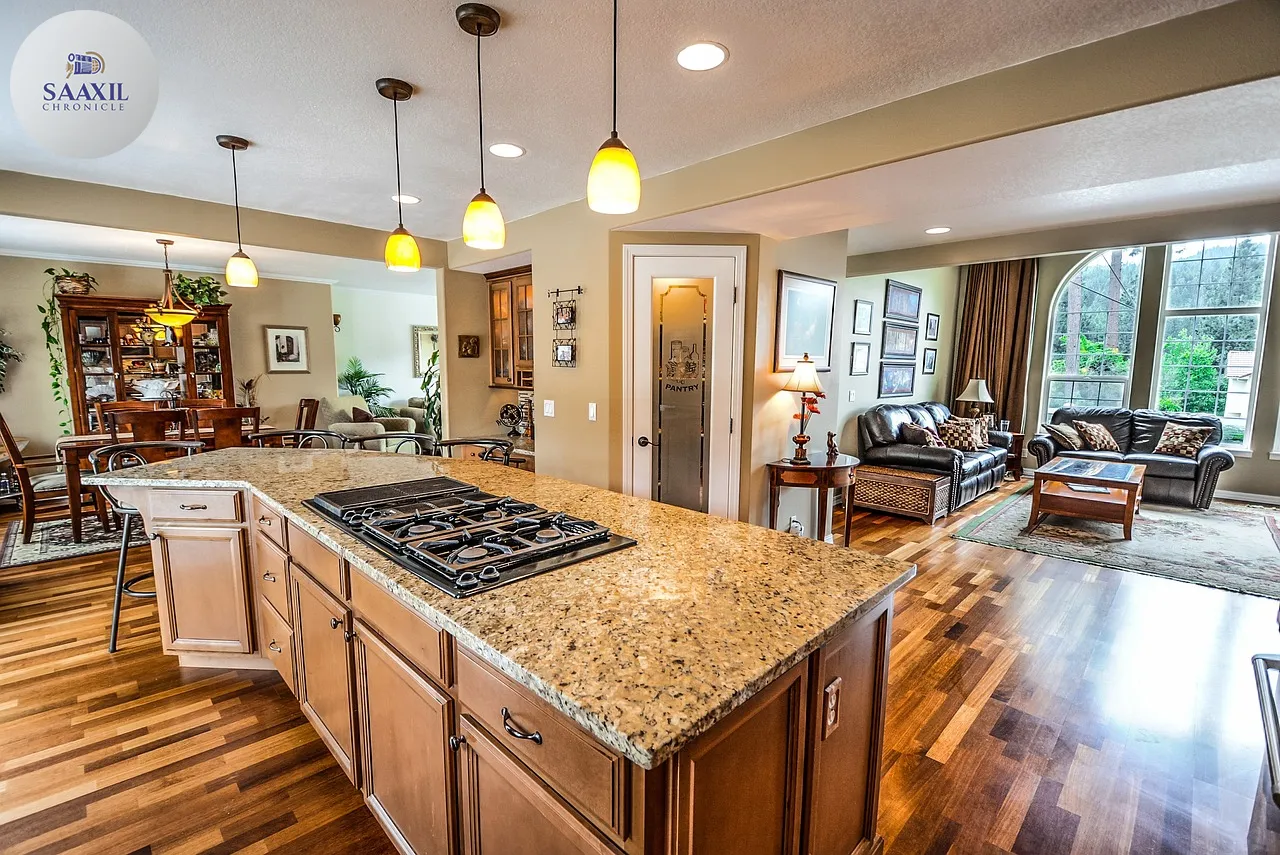

A growing focus on wellbeing is shaping how people update and use their homes, and a new label, “joyspanning”, has emerged to describe the shift. The idea highlights interiors designed to lift daily mood across rooms and routines, not just create a single statement space. Designers and homeowners are steering towards schemes that feel personal, supportive and easy to live with, rather than driven by short-term fashion. The trend sits alongside familiar projects such as repainting, lighting upgrades and storage improvements, but it frames them through an emotional lens: how spaces look, feel and function from morning to night. As 2026 is now here, “joyspanning” points to practical changes in layouts, materials and display choices that many households already make, now linked by a clear wellbeing purpose.
A wellbeing lens for everyday rooms
“Joyspanning” places everyday comfort at the heart of home improvement decisions. Rather than treat wellbeing as an add-on, it folds it into common tasks such as painting, furnishing and reorganising rooms. The approach focuses on the total experience of a space: sight, touch and sound, as well as how easily a room supports daily activities. This marks a continuation of post-pandemic priorities, where the home must handle work, rest and social time without feeling cramped or clinical.
In practice, this means more attention to the feel of surfaces, the character of lighting and how personal items are displayed. It also means choices that help people manage clutter and noise, two factors that often undermine comfort. The intent is not to create show homes, but to build rooms that maintain a steady, uplifting baseline through the week.
Colour, pattern and texture move up the priority list
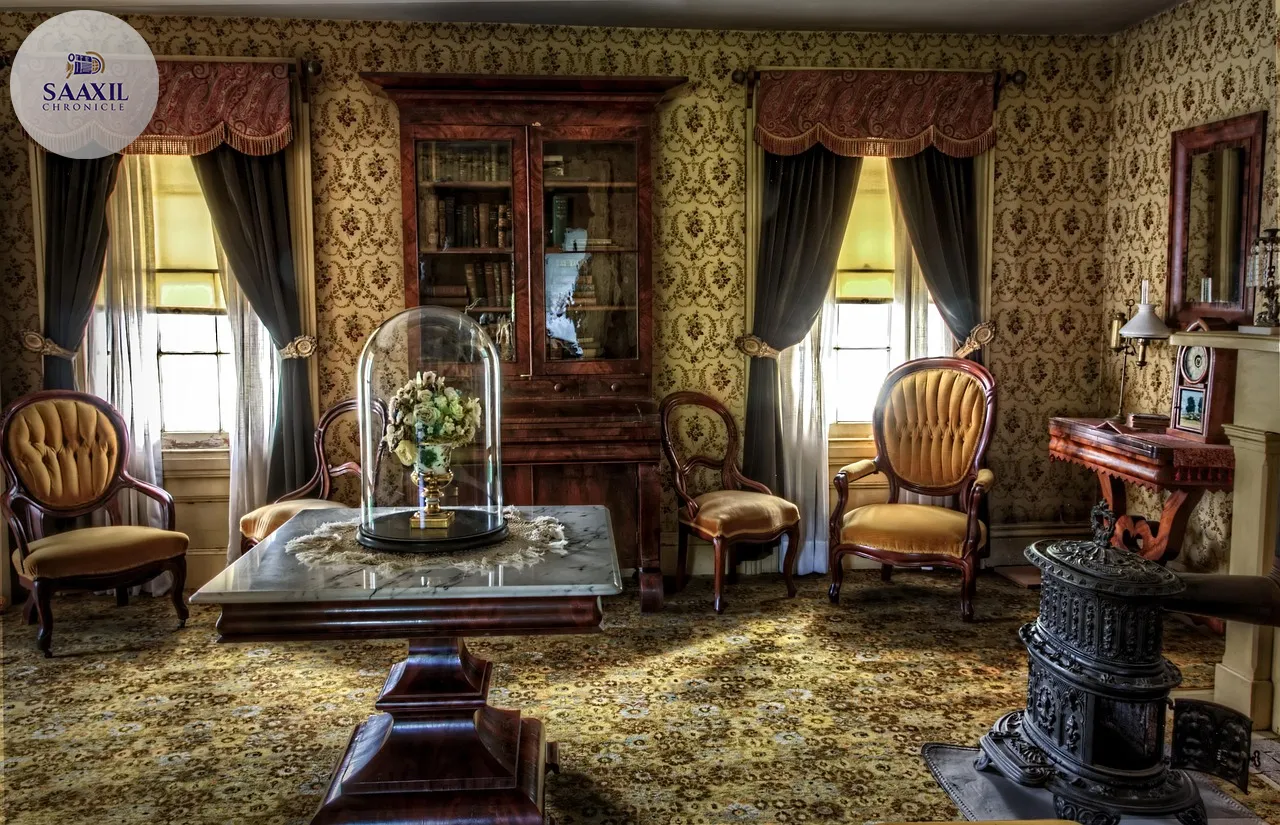
Under the “joyspanning” banner, colour plays a central role. Households use paint and pattern to set a mood, not only to follow seasonal palettes. Saturated tones may appear in social spaces to energise, while calmer shades can feature in bedrooms and studies. Pattern (through wallpaper, textiles or rugs) adds character and breaks up large surfaces, which can make a room feel more welcoming.
Texture has equal weight. Tactile finishes such as natural wood, wool, linen and textured weaves feature because they add warmth and soften acoustics. On walls, many owners favour finishes that wear well and stand up to frequent cleaning, especially in high-traffic areas. These choices do not require a full renovation; they sit within routine refresh cycles that households carry out as décor and needs evolve.
Layouts that support work, rest and social time
“Joyspanning” reflects continued demand for layouts that flex across the day. Homes often need zones for focused tasks, shared meals and entertainment, sometimes within one room. The trend recognises this by highlighting simple spatial tactics: defined seating groups, clear circulation paths and storage that keeps essentials within reach while limiting visual clutter.
The approach also supports occasional reconfiguration; moving a table for guests, making space for a workout, or tucking away a temporary desk. Rather than load rooms with permanent fixtures, households are choosing arrangements that adapt without major building work. This maintains a sense of ease and avoids the stress of constantly clearing spaces for the next task.
Lighting, sound and temperature shape comfort
Attention to lighting sits at the core of mood-focused interiors. Households are layering ambient, task and accent lighting to match activities and times of day. Brighter, directed light helps reading and work, while softer sources, such as shaded lamps or wall lights, support winding down. Where possible, window treatments balance privacy with daylight, which many people cite as a key factor in how a room feels.
Acoustics and temperature also influence comfort. Soft furnishings (curtains, rugs, upholstered seating) can reduce echo in hard-floored rooms, improving conversation and concentration. In older properties, draught management and appropriate window coverings can stabilise temperatures, making rooms feel more consistent and pleasant. These measures align with general maintenance and do not require complex installations.
Memory, meaning and display as design drivers
Personal display features strongly in “joyspanning” interiors. Rather than hide everything in storage, households often choose to curate objects with emotional value: books, photographs, travel mementos and crafts. Open shelving, gallery walls and well-organised cabinets allow people to see the items that matter, which contributes to a positive daily experience.
This approach also reduces the cycle of buying new décor for its own sake. By editing and highlighting meaningful items, rooms gain character without constant change. However, display still relies on order. The trend places emphasis on practical storage behind closed doors (for cables, paperwork and seasonal items) so visible surfaces remain calm.
Maintenance and materials behind the look
Beneath the visual choices, the trend draws attention to maintenance. Paints that can be wiped clean, upholstery with removable covers and durable floor finishes support long-term use. In kitchens and bathrooms, surfaces that resist stains and moisture help rooms stay fresh between deep cleans. These are common-sense decisions, but the “joyspanning” frame links them directly to ease and mood: materials that look good and stand up to daily life reduce frustration.
Indoor air quality has also become part of the conversation around wellbeing at home. Many households consider ventilation and odour control when scheduling painting or bringing in new furnishings. Simple steps, such as allowing finishes to cure fully and airing rooms, fit into standard maintenance routines and contribute to overall comfort.
What this means
For households, “joyspanning” describes a set of familiar actions (painting, arranging, lighting, storing) tied to a clear goal: an environment that supports daily life and uplifts mood. For landlords and small contractors, the trend underscores demand for durable finishes, flexible layouts and thoughtful lighting plans that tenants can live with comfortably. It suggests steady interest in low-disruption projects that refresh spaces without extensive building work.
Why the trend is resonating in 2026
The drive toward mood-boosting interiors aligns with the way people now use their homes. Flexible working arrangements remain common in many sectors, and households still expect spaces to handle multiple roles. At the same time, budgets and schedules often favour incremental upgrades over full renovations. This makes colour, lighting, textiles and storage the natural levers for change.
The media label gives the movement a name, but the underlying activity is practical and widespread: refresh the elements that most affect how a room feels and functions. As a result, “joyspanning” sits less with novelty and more with maintenance and liveability, which tend to endure beyond a single season.
Wrapping up, the rise of “joyspanning” signals a clear direction for home improvement in 2026: design with feeling, maintain for ease, and plan spaces that adapt without fuss. The trend does not call for drastic overhauls; it recognises that small, well-judged changes can transform how a home supports daily life. For homeowners and tenants, the message is straightforward; prioritise elements that make rooms comfortable to use and simple to care for. For the housing sector, including small contractors and building managers, the focus on durability, layout flexibility and lighting design points to steady demand for low-disruption upgrades. As households continue to balance work, rest and social time under one roof, mood-focused interiors look set to remain part of everyday decision-making.
When and where: Coverage of the “joyspanning” concept appeared on 19 January 2026 in UK home media.