

A UK woman’s account of delayed eye care has renewed calls for earlier checks and faster referrals. In a BBC report published on Wednesday, 8 October 2025, Gail Cairns described how she began to lose sight and suffered headaches and eye pain, but did not visit an optician when symptoms first appeared. She believes an earlier visit might have saved her eyesight. Her story has resonated with people who face similar symptoms and choices, and it has focused attention on the crucial role of routine eye tests. Clinicians and patient groups say early detection often makes the difference between treatable conditions and irreversible sight loss. They urge people to book checks when symptoms start, not months later. The case also raises questions about awareness, access, and the cost of care across the UK.
Context and timing
The BBC published the report on Wednesday, 8 October 2025. The account highlights a UK context, where opticians serve as the frontline for eye health. The timing aligns with wider debate about access to routine checks and urgent treatment, as services continue to manage rising demand.
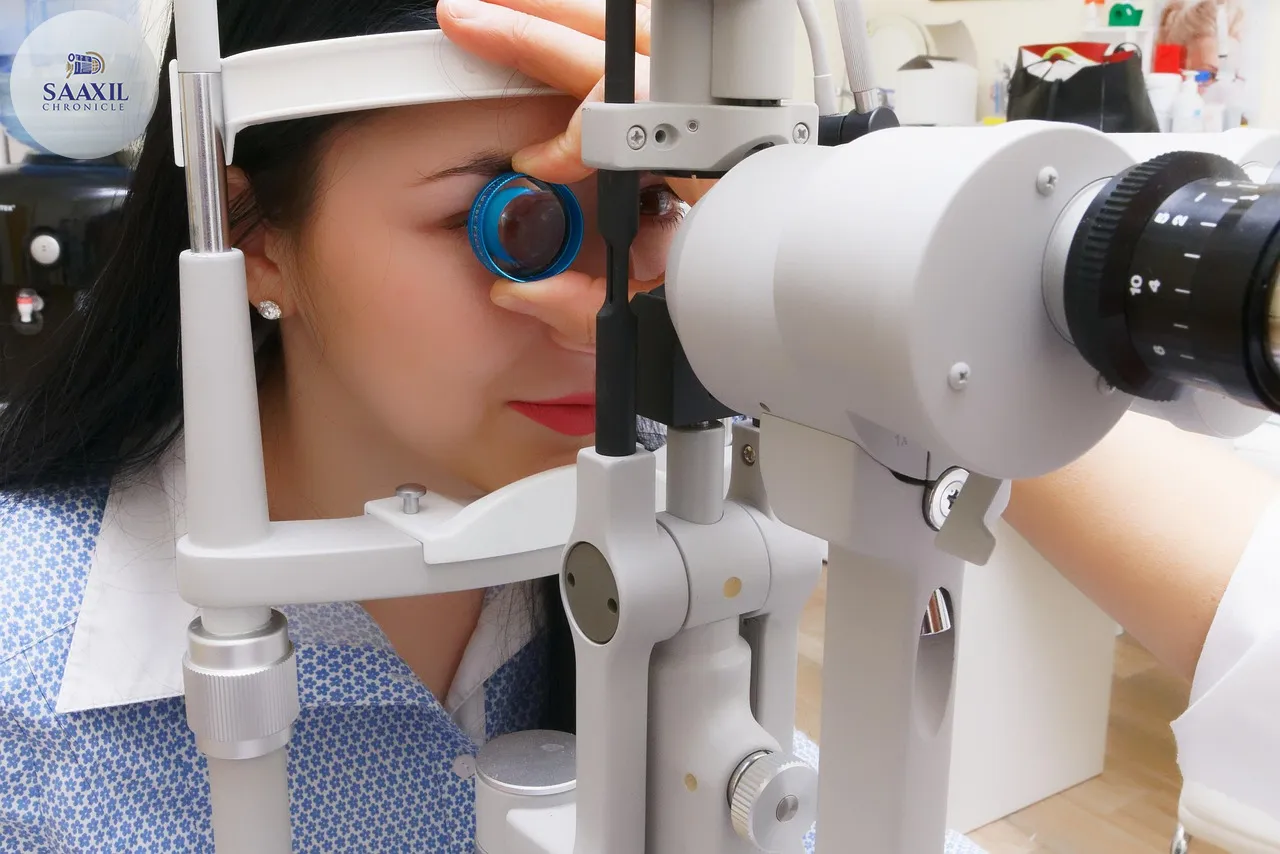
A missed check that changed a life
Cairns’ experience shows how fast eye problems can escalate. She noticed headaches, eye pain, and changes to her sight. She did not see an optician when those symptoms began. By the time she sought help, she feared she had waited too long. Her belief that an earlier appointment might have saved her eyesight reflects a common pattern in eye health: people often hope symptoms will pass. Routine work and family life can push health checks down the list until a crisis forces action.
Healthcare professionals warn that eyes rarely heal on their own when serious disease takes hold. Conditions such as glaucoma often progress without clear signs at first. By the time pain or significant vision change appears, damage may have advanced. That is why opticians urge people to act early and treat persistent headaches, eye discomfort, and blurred or patchy sight as warning signs.
What an eye test can detect in minutes
Opticians do more than update glasses. They perform checks that can spot eye disease and even wider health issues. A standard eye examination includes vision tests, pressure checks, and a close look at the retina. Modern imaging can reveal early signs of glaucoma, diabetic eye disease, and age?related macular degeneration. Opticians can refer patients to hospital eye services when they see risk or damage.
NHS guidance advises most adults to have an eye test every two years, or more often if an optician recommends it. People with symptoms should not wait for a routine interval. A timely exam can identify problems before they cause lasting harm. In many cases, early treatment slows or prevents further sight loss.
Symptoms you should not ignore
Persistent headaches, eye pain, sudden blurred vision, and sensitivity to light all demand prompt attention. Flashes of light, a sudden shower of floaters, a curtain across vision, or a sudden drop in sight require urgent care. People can call NHS 111 for advice or go straight to an emergency department if symptoms escalate quickly or occur after eye injury.
Dry eyes and screen strain can cause discomfort, but they should not mask signs of disease. If symptoms last, change, or affect daily tasks, book an eye test. If in doubt, seek help early. Opticians can triage, examine, and refer if they detect something that needs specialist care.
Access and cost across the UK
Access and cost influence how quickly people seek help. Scotland funds eye examinations for everyone under the NHS. In England and Northern Ireland, NHS sight tests are free for eligible groups, including children, people over 60, and some with certain medical conditions or on specific benefits. Wales provides support for many who face higher risk. Private appointments remain available across the UK.
These differences can shape behaviour. People who know they can book a free exam often attend more regularly. Those who do not qualify for an NHS-funded test may delay. Opticians stress that an eye exam remains affordable compared with the long-term cost of sight loss. They also highlight that early referral to hospital eye clinics can preserve vision and quality of life.
The impact of delays and how services respond
Delays can occur at several points: waiting to book a test, waiting for a referral, or waiting for treatment once a clinic confirms a diagnosis. The pandemic disrupted routine checks and widened backlogs across parts of the NHS. Many services now run extended clinics and community schemes to speed up diagnosis and treatment.
Opticians and hospital teams have expanded “shared care” pathways that keep more patients in community settings when safe. Some areas use urgent referral routes so opticians can send high-risk cases straight to specialist teams. These approaches aim to reduce waiting times and catch disease earlier.
What experts advise for safer eye health
Eye health bodies recommend a simple plan. Keep regular eye tests, especially if you have diabetes, a family history of glaucoma, or you take medication that can affect vision. Report new symptoms quickly. Follow advice on treatment and monitoring, and attend follow-up appointments on schedule. Protect eyes from injury at work and at home, and use sunglasses that block UV light.
People who drive or operate machinery should take extra care. If vision changes, stop and seek help. Do not rely on over-the-counter drops for ongoing pain or sudden changes. These products can soothe minor irritation, but they cannot resolve serious disease.
Raising awareness to prevent avoidable sight loss
Patient stories help others recognise danger signs. Cairns’ story highlights a stark truth: many people only act when symptoms disrupt daily life. Public information campaigns urge people to treat eye pain, headaches with vision changes, and sudden sight problems as urgent. Opticians stand ready to assess, reassure, and refer.
Community outreach, clear NHS guidance, and stronger links between opticians and hospitals can make a difference. People need simple routes to timely care. When systems work well, opticians detect problems, hospitals treat them, and patients maintain sight for longer. Awareness, access, and prompt action remain the pillars of prevention.
Wrap-up
Cairns’ case, reported by the BBC on 8 October, shows how easily people can postpone care and how high the risks can be. Eye pain, headaches, and early sight changes deserve swift attention. Opticians can detect problems early and route patients to treatment that protects vision. Across the UK, free or subsidised checks for many groups, combined with community-led referral schemes, aim to speed up care and reduce harm. The message remains clear: book an eye test when symptoms start, not months later. In the coming months, clinicians and patient groups will push for wider awareness and simpler access. If those efforts succeed, more people will seek help sooner, and fewer families will face the lasting impact of avoidable sight loss.