

Jakarta has overtaken Tokyo to become the world’s most populous city, according to a new United Nations assessment that redraws the map of global urbanisation. The UN’s World Urbanisation Prospects 2025 report estimates the Indonesian capital’s urban population at 42 million people under revised criteria designed to reflect how people actually live, work and travel across city regions. The change puts Jakarta at the top of the global rankings for the first time and underscores how Asia’s fast-growing urban corridors now shape the world’s demographic centre of gravity. The shift also highlights the stakes for city leaders and national governments as they plan for housing, transport, jobs and climate resilience in megacities that continue to swell.
The UN Department of Economic and Social Affairs (UN DESA) published the World Urbanisation Prospects 2025 report this month. It places Jakarta and Tokyo at the heart of a wider story about evolving city boundaries and the pace of urban growth across Asia and beyond.
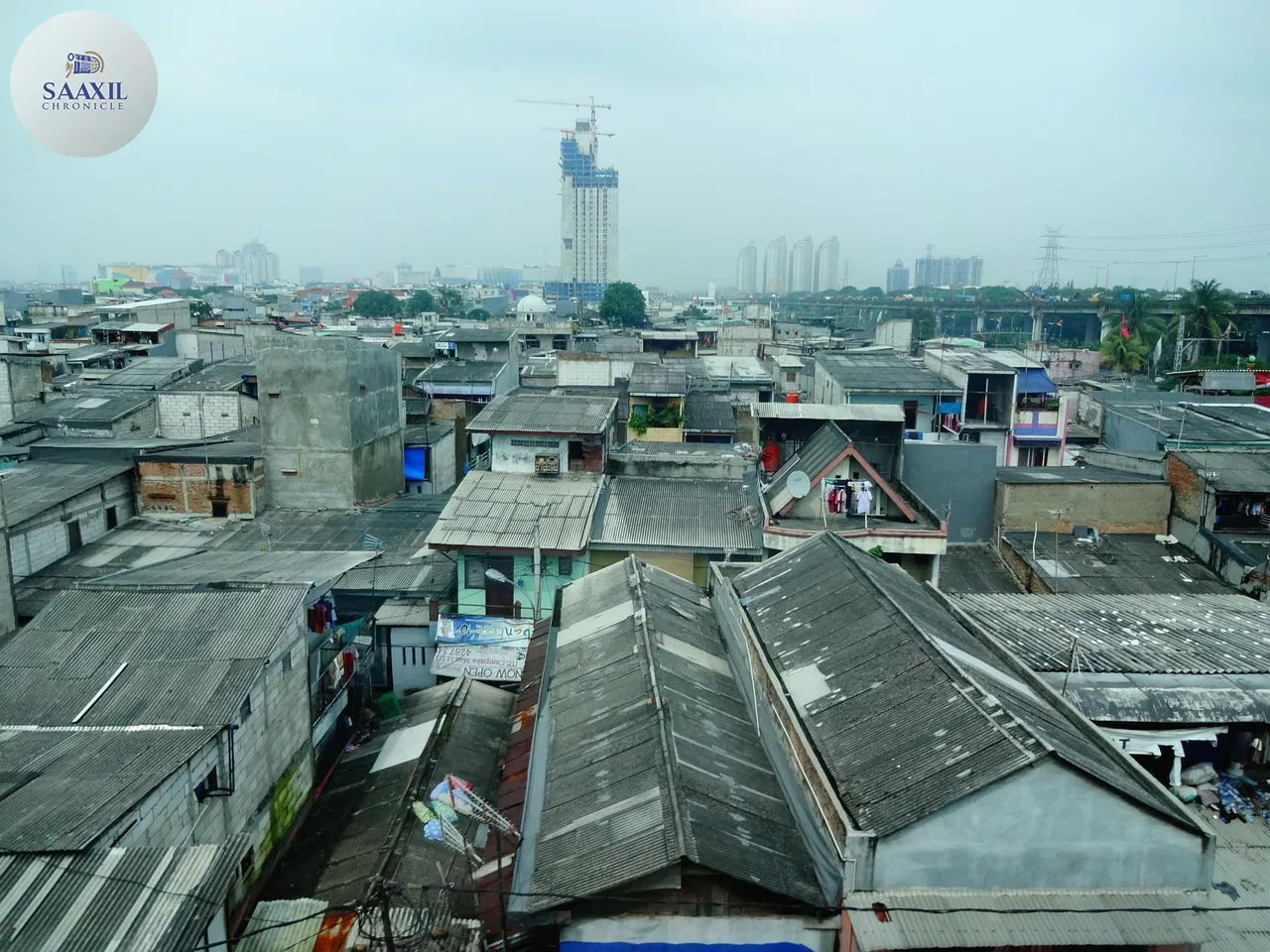
New metrics reshape the urban league table
The UN’s latest assessment uses updated criteria to define the true footprint of a city, aiming to capture the built-up area and the functional links that bind surrounding towns and suburbs into a single urban system. This approach moves beyond the old split between a city’s administrative core and its sprawling commuter belt. In Jakarta’s case, that shift draws in a wider metropolitan region that functions as one labour and housing market. The result is a revised total of 42 million residents, pushing the Indonesian capital ahead of Tokyo.
Tokyo has long topped global lists with an urban agglomeration often cited at around 37 million people. While it remains one of the world’s most complex and efficient metropolitan areas, Japan’s ageing population and slower growth have flattened expansion in recent years. The UN’s new framing does not diminish Tokyo’s scale or importance. Instead, it captures how different metropolitan regions grow and merge, and it reflects a reality visible on the ground in many countries: the city does not stop at the municipal border.
What drives Jakarta’s rise
Jakarta’s urban footprint spreads across a densely linked metropolitan region that includes satellite cities and industrial hubs. People move to Greater Jakarta for work and education, and many commute across city lines every day. The pattern reflects Indonesia’s economic growth and the draw of jobs in manufacturing, services and logistics. As the city’s economy has diversified, surrounding towns have grown into major urban centres in their own right, creating a continuous city region.
Population gains in and around Jakarta have also been shaped by internal migration. Young workers come from across the archipelago seeking opportunity in the capital’s wider labour market. The city’s growth has brought new investment in housing, retail and transport, while also exposing longstanding gaps in infrastructure and services. The UN’s updated criteria bring these realities into view by counting the entire functional urban area as one system.
Tokyo’s scale, stability and demographic headwinds
Tokyo remains a vast and highly organised metropolis. Its extensive public transport network, dense mixed-use districts and integrated services support one of the world’s largest urban economies. Despite its scale, Tokyo’s population growth has slowed as Japan’s national demographic trends shift. An ageing population and low fertility have tempered expansion, even as the capital continues to attract workers from other parts of the country.
This stability helps planners manage demand for housing and transport. It also sets Tokyo apart from faster-growing cities that must expand infrastructure at speed. The UN’s reshaped rankings reflect these differences. In Tokyo, the challenge lies in adapting services for an older population. In Jakarta, the priority is building capacity for a population that keeps growing and urban footprints that keep stretching outward.
Why the new ranking matters for policy and investment
Rankings do not govern cities, but they influence how governments and markets set priorities. Being counted as the world’s largest city shines a light on Jakarta’s infrastructure needs, from mass transit and flood protection to water and waste systems. It also underscores the importance of regional coordination across municipal lines so that housing, jobs and transport plans work together.
For investors and developers, the UN’s measure clarifies where people live and work. It points to the demand for metro rail, bus corridors, affordable housing and logistics. It also signals risk. Jakarta sits on low-lying land and has contended with land subsidence and seasonal flooding. Managing climate and water risks alongside rapid growth will shape the city’s next phase. Indonesia’s plan to relocate the national capital to Nusantara aims to ease pressure on Jakarta’s core government district, but the wider metropolis will remain the country’s economic engine.
The megacity moment: urbanisation accelerates across Asia and Africa
The UN has long projected that the share of people living in urban areas will keep rising, approaching 70% by mid-century. Much of that growth will occur in Asia and Africa, where young populations and economic change draw millions into city regions. The number of megacities—urban areas with more than 10 million residents—has increased over the past decade, and more cities are on track to join their ranks.
In this context, Jakarta’s ascent illustrates a broader trend: large city regions are not just growing; they are merging into vast urban corridors connected by transport and supply chains. These corridors power national economies but also strain energy and water systems. As cities expand, they must invest in resilient infrastructure, manage air quality and plan for green public spaces that support health and productivity.
Measuring cities: definitions, data and comparisons
Counting city populations is not straightforward. Statistics can differ depending on whether they describe a city proper, a metropolitan area or an urban agglomeration. Administrative boundaries often lag behind real settlement patterns. The UN’s updated methodology aims to reduce these gaps by setting definitions that better match how urban systems operate.
Even so, comparisons need care. National statistical offices may publish different figures based on local definitions. International bodies like the UN seek comparability across countries, which sometimes produces changes in rankings when methods update. The new World Urbanisation Prospects report signals that the UN is refining its approach to reflect commuting patterns, built-up areas and the functional links that shape modern cities. For policymakers, the key is to align investment plans with the actual urban footprint, not just the city map.
Planning for growth: transport, housing and climate resilience
The pressures facing the world’s largest cities are clear. Fast-growing populations demand affordable homes near jobs and reliable transport that cuts congestion. Integrated rail and bus networks can unlock access to work and reduce pollution. Well-planned housing can ease overcrowding and improve living standards. These policies depend on accurate population data and shared planning across city lines.
Climate risk adds urgency. In low-lying coastal cities like Jakarta, heavy rain and high tides test drainage and flood defences. Heatwaves strain power grids and public health. Cities that plan for these shocks—through resilient infrastructure, early warning systems and green cooling strategies—will protect people and keep economies running. The UN’s updated urban counts reinforce the need to map risk at the real metropolitan scale.
Jakarta’s new status as the world’s largest city under the UN’s revised criteria captures a turning point in global urbanisation and a shift in how experts measure it. The ranking reflects the rise of vast functional city regions that cross old administrative lines, and it highlights the planning challenge that follows. Tokyo remains a model of scale and organisation, but Jakarta now symbolises the demographic momentum reshaping Asia’s cities. As governments digest the UN’s World Urbanisation Prospects 2025 report, the message is clear: plan for the city you have, not the one on paper. Accurate counts, scalable transport, affordable housing and climate resilience will decide whether megacities deliver opportunity and liveability for the tens of millions who call them home.