

In a dramatic escalation of regional tensions, Israel launched airstrikes on Damascus, citing the need to protect the Druze minority in southern Syria. The strikes targeted military installations as Syria’s new government grapples with sectarian violence between the Druze and Bedouin communities. The Israeli Defence Forces (IDF) stated the action was a defensive measure to prevent further violence against the Druze, a group with historical ties to Israel.
Timing and Location of the Conflict
The airstrikes occurred late on 16 July 2025, marking one of the most significant military confrontations in the region in recent months. Damascus, Syria’s capital, became the epicentre of these tensions as the international community watched closely. The strikes have exacerbated an already volatile situation following the installation of Syria’s new government, which has been struggling to manage internal conflicts and maintain stability.
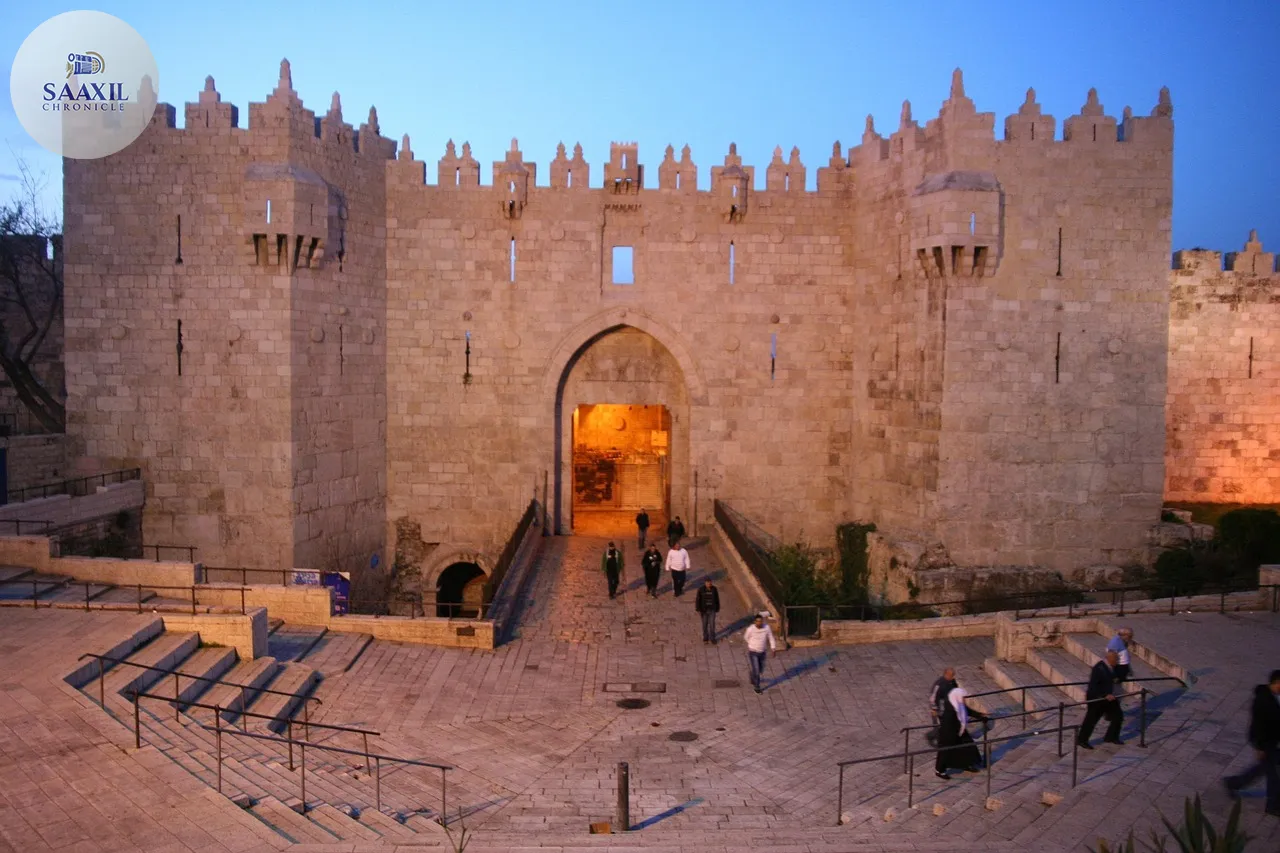
The Druze Minority and Sectarian Violence
The Druze, a religious and ethnic minority in Syria, have historically maintained a delicate balance in the region. Recent clashes between the Druze and Bedouin communities in southern Syria have led to increased violence, drawing international concern. The Druze, numbering around 700,000 in Syria, have often found themselves caught in the crossfire of larger geopolitical struggles, prompting Israel’s intervention.
Experts highlight that the Druze community’s strategic location and historical alliances with Israel have made them a focal point in regional politics. Dr. Yossi Mekelberg, a Middle East analyst, notes, “The Druze have long been a stabilising force in the region, and their safety is crucial for maintaining peace.” Israel’s airstrikes are seen as an attempt to support this minority, though they risk further inflaming tensions with Syria.
Israel’s Justification for Military Action
Israel’s government has defended the airstrikes as necessary to protect the Druze community. Prime Minister Naftali Bennett stated, “Our actions are purely defensive, aimed at safeguarding innocent lives against aggression.” The IDF reported that their targets were military sites used to coordinate attacks against the Druze.
This move, however, has drawn criticism from Syria and its allies, who view it as a violation of sovereignty. Syrian officials condemned the strikes, calling them an “unwarranted act of aggression.” The international community remains divided, with some countries calling for restraint and others supporting Israel’s right to defend regional minorities.
Historical Context of Israeli-Syrian Relations
The relationship between Israel and Syria has been fraught with conflict for decades. Since the 1967 Six-Day War, the two countries have been technically at war, with intermittent clashes and diplomatic strains. Recent developments have only complicated this relationship further, as both nations navigate a complex web of alliances and enmities in the Middle East.
Historian Dr. Sarah Phillips explains, “The Israeli-Syrian conflict is deeply rooted in historical grievances and territorial disputes. Any military action by Israel is not just a response to immediate threats but also a reflection of long-standing tensions.” The current situation underscores the fragile nature of peace efforts in the region.
International Reactions and Implications
The airstrikes have sparked a range of international reactions. The United Nations has called for restraint and dialogue, urging both nations to avoid further escalation. Meanwhile, the United States has expressed support for Israel’s right to defend itself, while also advocating for a peaceful resolution to the conflict.
The European Union, on the other hand, has emphasised the importance of protecting civilian lives and maintaining regional stability. EU Foreign Policy Chief Josep Borrell stated, “We call on all parties to de-escalate and prioritise humanitarian concerns.” The global response reflects the broader geopolitical implications of the conflict, with many countries keen to prevent a wider regional war.
Looking Ahead: The Path to Peace
As the dust settles in Damascus, the path forward remains uncertain. The recent violence highlights the fragility of Syria’s internal security and the complexities of international diplomacy in the region. Observers note that sustained dialogue and international cooperation are essential to addressing the underlying causes of sectarian violence and achieving lasting peace.
The situation also underscores the need for comprehensive strategies that address not only immediate security threats but also the broader socio-political dynamics at play. As the international community grapples with these challenges, the focus must remain on safeguarding human rights and fostering stability in a region that has seen too much conflict.
In the coming weeks, diplomatic efforts are expected to intensify, with hopes that dialogue will prevail over military confrontation. The world watches closely, aware that the outcomes of this conflict could shape the future of Middle Eastern geopolitics for years to come.