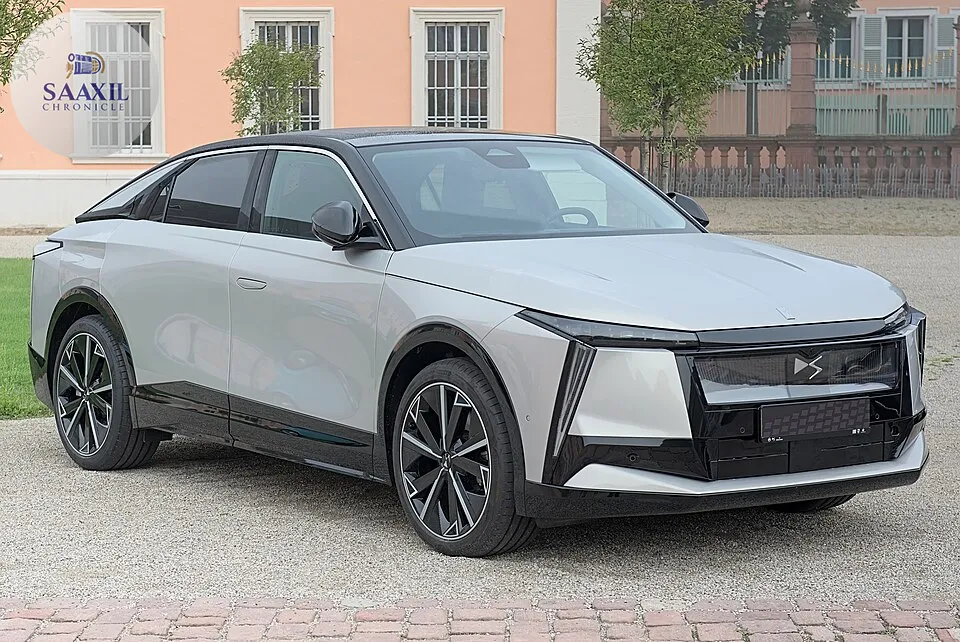

The UK’s car industry has urged ministers to drop a proposed pay?per?mile tax on electric vehicles, warning it could wipe out recent gains in EV uptake and “inflict severe damage” on the sector. As Chancellor Rachel Reeves prepares her Autumn Budget for 26 November, the Society of Motor Manufacturers and Traders (SMMT) said the plan to charge EV drivers 3p per mile would clash with policies designed to accelerate the switch to zero?emission cars. The body also pressed the government to reverse its decision to scrap the Employee Car Ownership Scheme (ECOS), which it said supports 100,000 new registrations a year and helps firms recruit and retain skilled workers. SMMT chief executive Mike Hawes called for measures that boost demand rather than “road pricing for EVs”, arguing that a poorly timed tax risked undermining the UK’s decarbonisation goals and the industry’s investment plans.
The intervention came on 25 November, one day before the Autumn Budget. The measures form part of a package the government plans to set out for the UK, following a consultation, with the pay?per?mile scheme scheduled for 2028.
SMMT says road pricing on EVs would stall uptake
The government plans to introduce a 3p?per?mile levy for electric cars to recoup revenue lost from fuel duty as drivers move away from petrol and diesel. That charge would sit on top of Vehicle Excise Duty for EVs, now set at £195 a year. Under the plan, a driver covering 8,000 miles would face an annual bill of £435 in costs that did not apply last year. The scheme is set for introduction in 2028, subject to public consultation. The SMMT said the timing and the signal to consumers would weaken confidence just as the mass market begins to adopt EVs.
The industry body warned that “singling out electric cars” could push buyers back towards internal combustion. It said the plan was “entirely the wrong measure at the wrong time” because the market still needs incentives and certainty. EVs held a 25.4% market share in the 10 months to the end of October, a figure that must rise fast for manufacturers to stay on track with legal targets.
Tightening ZEV mandate collides with new costs
Under the UK’s zero?emission vehicle (ZEV) mandate, car makers must hit an EV sales mix of 28% in 2025, rising in steps to 80% by 2030. The government plans a fully electric new?car market in 2035. The SMMT said new per?mile charges would make those “ever?tougher sales targets even more costly and challenging to achieve”. The body argued that extra ownership costs would slow the shift in the crucial mid?market segments where buyers watch operating costs closely.
Manufacturers have already cut prices heavily to stimulate demand. The SMMT said car makers had collectively spent £8.5 billion on EV discounts so far to meet ZEV targets. “No mitigation measures, including additional grant funding, could offset the message this measure would send consumers,” the body said, warning that a tax aimed only at EVs would crystallise doubts among undecided buyers.
Supportive policies meet a contested tax proposal
The SMMT acknowledged recent government steps that it said recognised the sector’s role in growth and decarbonisation. These include a £2.5 billion innovation fund, preferential treatment for automotive products in trade deals with the US and India, changes to the ZEV mandate framework, and the new Electric Car Grant. Industry leaders have welcomed those measures as part of a broader industrial strategy and a sign of cooperation between ministers and manufacturers.
Hawes said: “Government has said it will back automotive to the hilt and, for the most part, deeds have matched words, with trade agreements, regulatory flexibilities and an industrial strategy supplemented by a £2.5 billion fund that is designed to support automotive as a growth sector.” He added that the Budget offered a chance to align fiscal policy with growth. “Rather than road pricing for EVs, we need to see measures that stimulate consumer demand, so we can deliver the tax revenues, jobs, investment, productivity and growth that is in everyone’s interests.”
Consumer sentiment sours on the pay?per?mile plan
A What Car? survey of 4,368 buyers found that 52% would be less likely to choose an EV if the government introduced a pay?per?mile tax. Only 20% supported the proposal. The findings suggest a clear risk to the adoption curve, especially as household budgets remain tight and charging costs vary across regions. The SMMT said the plan would send the wrong message just as more models enter the market and second?hand EV supply grows.
The per?mile charge also adds complexity for owners who weigh whole?life costs, not just headline prices. With £195 VED now applying to EVs and electricity prices still above pre?crisis levels in many areas, buyers may hesitate without clear, stable incentives. Industry voices argue that transparent, long?term policy helps both consumers and manufacturers plan investments and purchases with confidence.
ECOS axing raises concerns over sales, skills and investment
The government plans to end the Employee Car Ownership Scheme from 6 April 2026, arguing the scheme is unfair because participants do not pay benefit?in?kind tax or national insurance contributions on cars acquired through ECOS. The SMMT said ECOS generates around 100,000 registrations a year, or roughly 5% of the new car market, and supports talent attraction and retention at car makers and dealers. Ending it would remove a channel that keeps sales stable and refreshes the fleet with newer, cleaner models.
According to the SMMT, cancelling ECOS would cost industry and government a combined £1.5 billion a year and put about 5,000 manufacturing jobs at risk. The body said higher energy costs and existing employment taxes already strain competitiveness. Industry leaders argue that keeping ECOS would support order books and skills pipelines as firms ramp up EV production and prepare for stricter ZEV targets.
What’s at stake in the Autumn Budget
The Budget decision will set the tone for investment and consumer confidence over the next three years. With the pay?per?mile scheme slated for 2028 after consultation, the government has time to refine how it recovers road?related revenue as the fleet electrifies. The SMMT wants ministers to focus on demand?side measures that keep running costs predictable, such as targeted grants or smarter VED banding that rewards efficiency without penalising early adopters.
Hawes told industry leaders and politicians on 25 November that the government could still align fiscal steps with its growth agenda. He said the sector stands ready to deliver higher productivity and exports if the policy environment encourages uptake. The trade body’s message centres on momentum: keep buyers engaged, keep factories investing, and build on recent support rather than offset it with new charges.
The next 24 hours will clarify the Treasury’s stance. If ministers confirm a per?mile EV tax and ECOS abolition, the industry expects slower adoption and tougher ZEV compliance. If the Budget leans toward incentives and continuity, manufacturers and dealers hope to hold market share gains and maintain order books through 2026. Either way, the choices set out this week will shape consumer behaviour, revenue policy and manufacturing plans as the UK accelerates toward its 2035 all?electric deadline.