
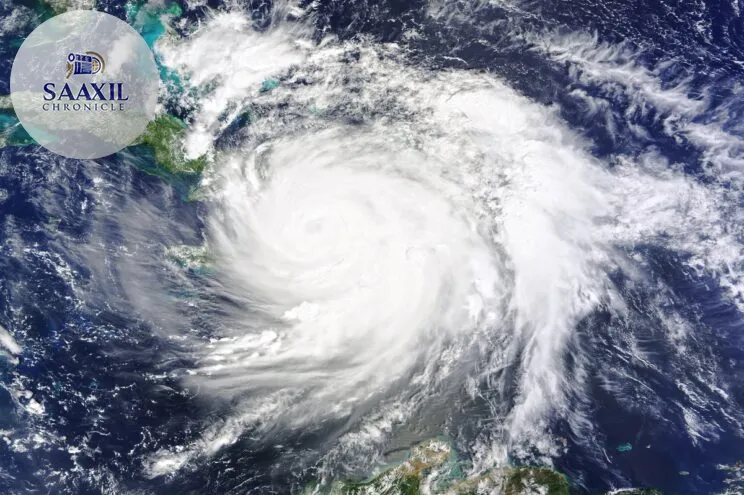
Hurricane Melissa tore across the Caribbean this week, slamming into Cuba after leaving parts of Jamaica in ruins and turning the island into a “disaster area.” In Black River, a coastal town that Jamaica’s prime minister called “ground zero,” mayor Richard Solomon described a terrifying night of 16ft storm surges and hours of fierce winds as the Category 5 system roared ashore. He spoke of a community now picking through wreckage while it shifts to aid and rescue. The Guardian reported Melissa as the most intense tropical cyclone to strike Jamaica in nearly two centuries, a blow that shattered homes, flooded streets and severed livelihoods in minutes. The storm’s reach stretched far beyond its core; in Haiti, residents of a small town mourned 25 people swept away in floods. As Melissa’s outer bands continue to fuel heavy rain and dangerous seas, the region faces a long and urgent recovery.
Context and timing
The hurricane drove into Jamaica before moving on to Cuba by Thursday, according to The Guardian’s reporting. In Black River, on Jamaica’s south coast, local leaders convened in an emergency operations centre as the storm’s peak swells hit. The extreme winds and rain reached across the Caribbean, with Haiti reporting deadly floods in one town and other nearby countries feeling the storm’s force even if they lay outside the direct path.
Black River’s fight to recover at Jamaica’s ‘ground zero’
In Black River, mayor Richard Solomon recounted a night of fear and endurance. He described “monstrous” storm surges that topped 16ft and pounded the shoreline, while fierce winds ripped at roofs and drove debris through streets. He and his team rode out the peak in an emergency operating centre, communicating with first responders and fielding distress calls as the sea invaded low-lying areas. “The town is devastated,” he said, calling Hurricane Melissa a Category 5 “storm of the century.”
Solomon said the community now faces a hard push to restore order and reach the vulnerable. He framed the next phase around rescue and aid, a shift from survival to support after the storm passed. With Jamaica’s prime minister labelling Black River “ground zero,” the town’s plight has come to symbolise the wider national hit: destroyed homes, damaged public buildings and a coastline carved up by battering waves. Residents will need clean water, safe shelter and steady supplies in the days ahead.
Cuba counts the cost as Melissa comes ashore
After ravaging Jamaica, Hurricane Melissa then slammed into Cuba, driving powerful winds and extreme rainfall. Authorities across the island faced a dangerous mix of storm surge, inland flooding and toppled trees. The storm’s sweep forced communities to take cover as power lines and roads came under threat from flying debris and fast-rising water. Emergency teams focused on keeping people safe while the storm tracked across or near key population centres.
Cuba’s exposure to hurricanes runs deep, and officials regularly drill for these moments. Melissa’s strength, however, set a high bar for preparedness. Early response efforts focused on protecting lives and stabilising essential services where possible, while residents waited for the worst to pass. As conditions allow, assessments will follow to gauge damage to housing, agriculture and coastal infrastructure, and to identify the most urgent needs.
A region on edge: Haiti’s deadly floods and wider fallout
Melissa’s effects rippled well beyond Jamaica and Cuba. In nearby Haiti, residents of a small town mourned 25 people who died after flood waters swept through, according to The Guardian. Rivers rose fast as the storm’s rain bands saturated the ground, and rescue workers searched for survivors while families counted losses. The deaths underscored how even countries outside the eye’s path can face lethal impacts from rain and surge.
Other Caribbean nations tracked the storm closely as high seas, squalls and feeder bands affected marine routes and coastal communities. Airports and ports adjusted operations as conditions shifted, and fishermen and ferry operators sought shelter. The regional picture highlighted a recurring lesson: extreme events often strike in waves, and the geography of risk extends far from a hurricane’s core.
Why Melissa ranks among Jamaica’s fiercest storms
The Guardian described Melissa as the most intense tropical cyclone to hit Jamaica in nearly two centuries, a stark measure of its force. Meteorologists classify Melissa as a Category 5 hurricane, the highest rating on the Saffir–Simpson scale. Such storms can drive catastrophic winds and push destructive storm surges onto coasts, with rapid flash flooding inland where terrain funnels water through towns and valleys.
Melissa’s surge in Black River reached 16ft, according to the mayor, a wall of water that overtopped sea defences and poured into streets and homes. The combination of surge and heavy rain often proves most lethal, as rising seas block drainage while swollen rivers push back against the tide. Experts widely note that warmer seas can fuel stronger storms by supplying more energy and moisture, which can increase rainfall intensity and the risk of rapid strengthening in favourable conditions.
Rescue, relief and the road to rebuilding
With the storm moving on from Jamaica, local leaders in Black River and beyond now push into rescue and relief. The mayor framed immediate needs around getting help to households that lost roofs, clearing access routes and supporting those displaced by flooding. He stressed that communities need supplies and coordination to prevent further harm after the winds subside.
Aid groups and government crews face a complex landscape. Flooded zones remain dangerous, downed lines block roads, and some areas may still face high water for days. Crews will need to assess structural damage, secure hospitals and clinics, and restore communications so residents can reach help. In rural districts, washed-out bridges and impassable tracks can isolate farms and fishing villages, raising the risk of food and income loss for families who rely on the sea and the land.
Lessons for coastal towns as surges grow higher
Black River’s experience shows how storm surge can define outcomes in a coastal disaster. A 16ft rise turns familiar streets into channels and transforms single-storey homes into traps. Towns that sit near river mouths or on low deltas face particular danger, as ocean surges meet river floods. Local leaders in Jamaica and across the region will likely review flood maps, evacuation plans and safe shelters in light of Melissa’s performance.
Planners and engineers often look at raised defences, better drainage and stronger building codes to reduce risk. Communities also emphasise clear warnings and early moves to higher ground when surge forecasts climb. Melissa’s ferocity will add urgency to those conversations, especially in towns that mirror Black River’s exposure and layout.
Wrap-up
Hurricane Melissa has left a jagged trail across the Caribbean, battering Jamaica, slamming into Cuba and sending deadly floods into parts of Haiti. In Black River, Jamaica’s “ground zero,” mayor