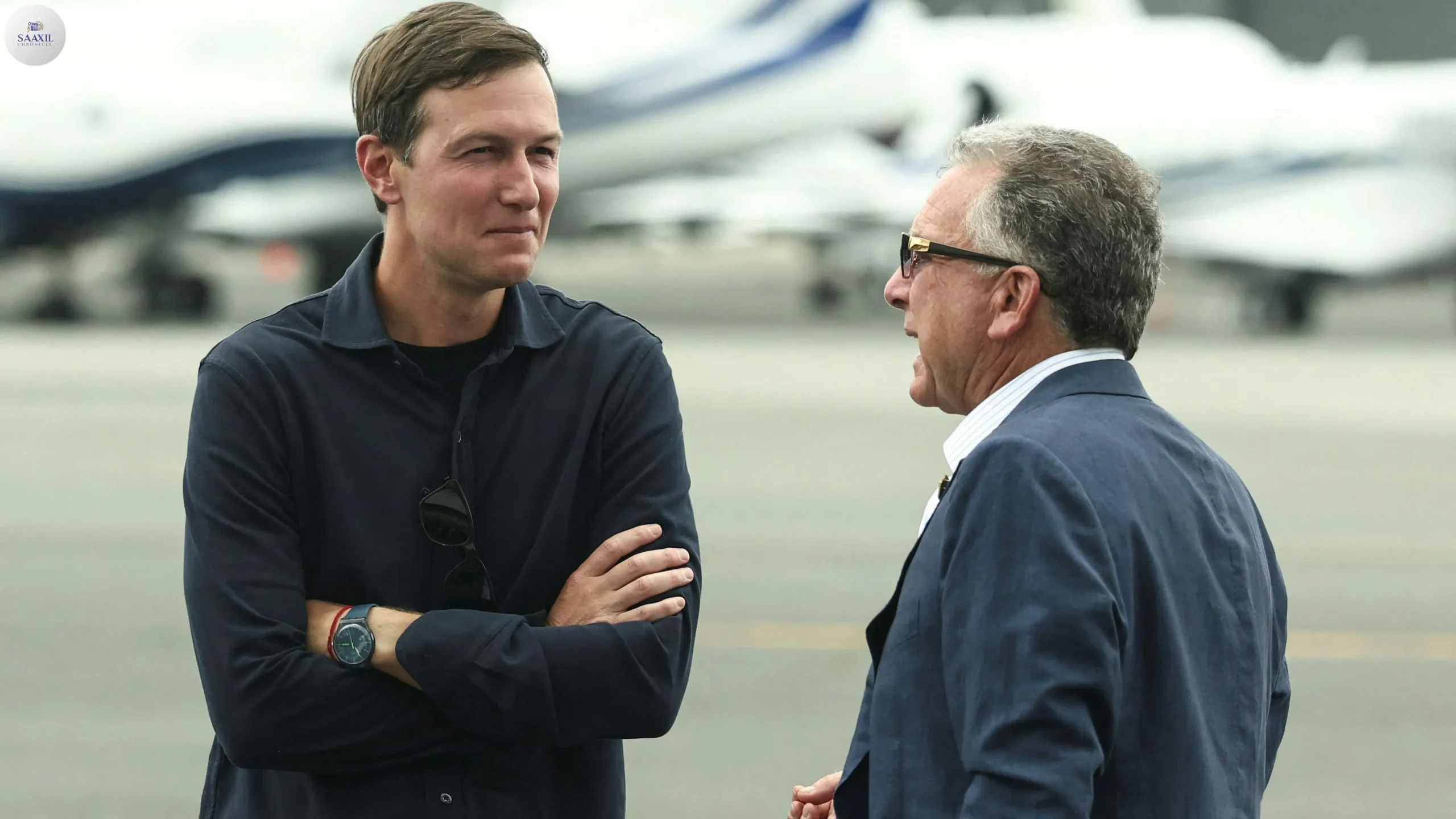

European leaders, once staunch defenders of democratic ideals, now find themselves navigating a complex political landscape, increasingly influenced by right-wing ideologies. As pressures mount on issues ranging from migration to climate change, Europe’s ability to maintain its foundational principles is being tested. This shift has raised questions about the continent’s readiness to stand firm against global figures like former U.S. President Donald Trump, whose policies often challenge democratic norms.
The Challenge of Right-Wing Pressures
In recent years, Europe has experienced a noticeable shift towards right-wing politics. This trend has been particularly evident in debates surrounding migration, environmental policies, and international relations. The rise of far-right parties has forced mainstream political leaders to adjust their stances, often at the expense of the European Union’s core values. Many observers, including Thu Nguyen and Jannik Jansen of the Jacques Delors Centre, argue that this shift undermines the EU’s commitment to multilateralism and a rules-based international order.
The migration crisis has been a critical point of contention. European leaders have struggled to find a unified approach, with some countries adopting stricter immigration policies under pressure from right-wing factions. This has sparked debates about the EU’s identity and its ability to uphold human rights and solidarity among member states.
The Impact of U.S. Relations
The relationship between Europe and the United States has also been under scrutiny. During Trump’s presidency, European leaders were often seen as conciliatory, avoiding confrontation over trade disputes and security issues. This approach, perceived by some as capitulation, has led to criticism within Europe. Critics argue that such a stance weakens the EU’s position in global affairs and sets a precedent for compromising on democratic principles.
The concern is that by placating the U.S., Europe risks losing its moral authority and the ability to influence international norms. This is particularly relevant in the context of supporting Ukraine amidst ongoing tensions with Russia. The need for U.S. support is undeniable, but it raises questions about the balance between pragmatic diplomacy and maintaining an independent, principled foreign policy.
The Role of European Institutions
European institutions play a crucial role in navigating these challenges. The European Commission, under the leadership of Ursula von der Leyen, has been at the forefront of advocating for a “European way” that emphasizes unity and democratic values. However, the effectiveness of these efforts is increasingly questioned as right-wing influences continue to gain traction.
Von der Leyen’s tenure has been marked by a commitment to addressing climate change and promoting fair trade. Yet, the ability to implement these policies effectively is often hampered by internal divisions and external pressures. The European Parliament and other bodies must work collaboratively to reinforce the EU’s commitment to its founding principles, even as they adapt to new political realities.
Expert Insights and Analysis
Experts like Nguyen and Jansen highlight the importance of maintaining a strong, unified European voice in global affairs. They emphasize that Europe’s strength lies in its ability to act collectively, leveraging its economic and political influence to promote democratic values worldwide. However, achieving this requires overcoming internal divisions and resisting the temptation to compromise on core principles for short-term gains.
The European Union’s response to right-wing pressures will have significant implications for its future. As the continent grapples with complex challenges, the need for decisive leadership and a clear commitment to democratic ideals becomes increasingly urgent. This is not only critical for maintaining internal cohesion but also for ensuring Europe remains a credible and influential player on the global stage.
Looking Forward
As Europe confronts these challenges, the path forward is fraught with difficulties. Balancing the need for pragmatic diplomacy with the imperative to uphold democratic values will require careful navigation. The decisions made by European leaders in the coming years will shape the continent’s identity and its role in the world.
The potential impact of these developments extends beyond Europe. As nations around the globe face similar pressures, Europe’s approach could serve as a model or a cautionary tale. The ability to stand firm against authoritarian tendencies while fostering cooperation and inclusivity will be crucial in determining the future of democratic governance.
In conclusion, Europe’s struggle with right-wing politics and its relationship with global powers like the U.S. highlight the challenges of maintaining democratic values in a rapidly changing world. The continent’s leaders must remain vigilant, ensuring that their actions reflect the principles upon which the European Union was built. Only by doing so can Europe continue to champion democracy and play a leading role on the international stage.