
In a significant turn of events, the European Union is considering imposing trade sanctions on Israel due to escalating concerns over human rights violations in Gaza. The EU’s potential move to suspend the EU-Israel association agreement, which provides Israel with preferential access to the EU’s vast single market, marks a critical juncture in the international response to the ongoing conflict. This development follows a series of diplomatic rebukes and intense discussions among European leaders, highlighting a growing willingness to address the situation more assertively.
The push for action gained momentum when Dutch Foreign Minister Caspar Veldkamp called for a formal review of Israel’s compliance with the association agreement’s human rights clause. This request has sparked a broader debate within the EU about its role and responsibilities in promoting human rights while maintaining strategic alliances.
Rising Tensions and Diplomatic Reactions
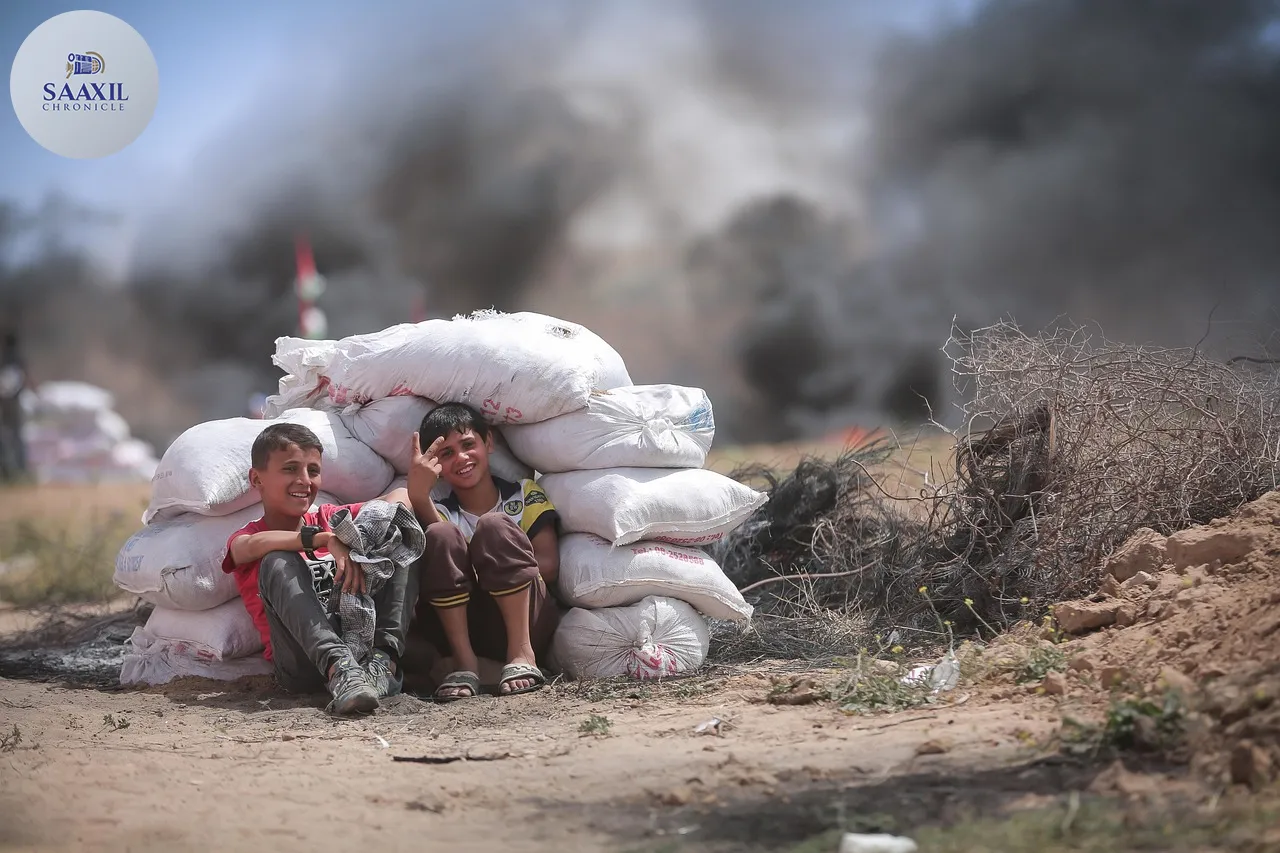
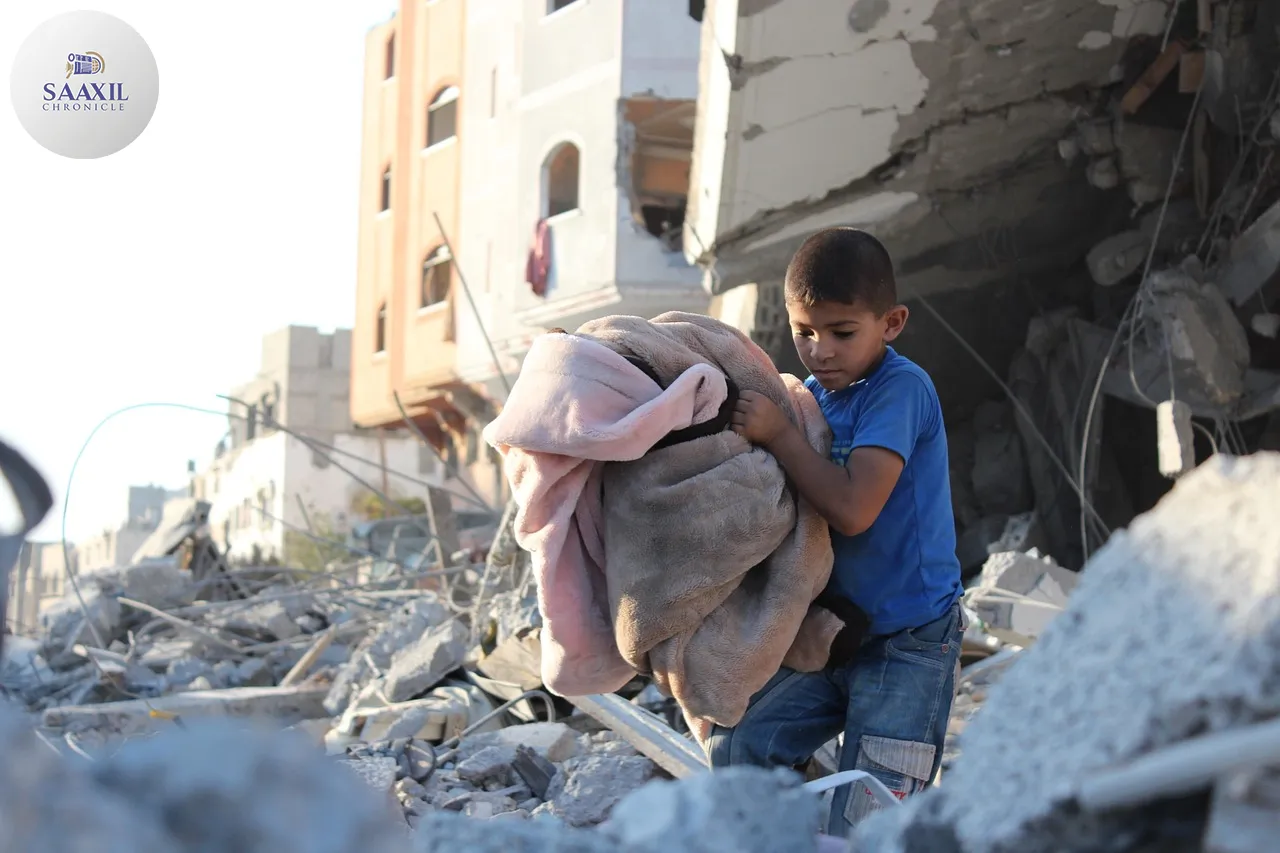
The conflict in Gaza has drawn significant international attention, with reports of civilian casualties and damage to critical infrastructure, including schools and hospitals. The EU’s response has been notably measured until recently, as member states grappled with the complexities of the geopolitical landscape and their own political considerations. However, the severity of the situation has prompted a more vocal stance from European leaders.
European capitals have issued a series of strong statements condemning the violence and calling for immediate humanitarian aid access. The potential suspension of the EU-Israel association agreement, a key aspect of their bilateral relations, underscores the EU’s increasing frustration with the ongoing conflict. This agreement has been a cornerstone of economic cooperation, facilitating billions in trade between the two regions.
Human Rights at the Forefront
The EU’s association agreement with Israel includes a crucial provision that requires adherence to human rights principles. This aspect has become a focal point in the current discussions, as reports of human rights abuses in Gaza have intensified scrutiny. The EU’s decision to potentially review Israel’s compliance with these terms reflects a broader commitment to upholding human rights standards in its external relations.
Martin Kone?ný, director of the European Middle East Project, a Brussels-based NGO, emphasises the importance of this review. “The EU’s credibility as a global advocate for human rights is at stake,” Kone?ný notes. “A failure to act decisively could undermine its standing and influence on the international stage.” The NGO has been instrumental in highlighting the human rights implications of the conflict and advocating for stronger EU action.
Strategic and Economic Implications
Suspending the EU-Israel association agreement would have significant economic and strategic repercussions. Israel benefits from preferential access to the EU market, which plays a vital role in its economy. The potential loss of this status could impact various sectors, from technology to agriculture, affecting both Israeli businesses and European partners.
Furthermore, the geopolitical implications of such a move are profound. The EU must balance its commitment to human rights with its strategic interests in the Middle East. Any action taken could influence its relations with other regional players and affect broader diplomatic efforts to resolve the conflict.
Expert Opinions and Future Prospects
Experts are divided on the potential impact of EU sanctions. Some argue that economic pressure could compel Israel to reconsider its actions and engage in meaningful dialogue. Others warn that such measures might exacerbate tensions and hinder diplomatic efforts. The EU must navigate these complexities carefully, ensuring that its actions align with its broader foreign policy objectives.
The coming weeks are likely to see intense deliberations within the EU as member states weigh the potential benefits and risks of imposing sanctions. The outcome of these discussions will have far-reaching implications, not only for EU-Israel relations but also for the EU’s role as a global actor committed to promoting peace and human rights.
In the meantime, humanitarian organisations continue to call for immediate aid access to Gaza, stressing the urgent need for assistance to those affected by the conflict. The EU’s response will be closely watched by the international community, serving as a litmus test for its commitment to upholding human rights in challenging geopolitical contexts.
As the EU deliberates its next steps, the world watches to see whether it will take decisive action or opt for a more cautious approach. The decision will undoubtedly shape the future of EU-Israel relations and influence the broader discourse on human rights and international diplomacy.