

Chiltern Railways says the launch of new East West Rail passenger services between Oxford and Milton Keynes will not happen this year, pushing the start to 2026 at the earliest. The operator cites a dispute over the use of guards on trains as a key factor, and confirms it has not set a new opening date. The postponement affects the first stage of the long-planned railway across the Oxford–Cambridge arc, a corridor that ministers promote as a driver of jobs, housing and research-led growth. Services were due to begin this autumn, offering a direct link that many travellers and local businesses have awaited for years. The delay now raises fresh questions about delivery, staffing plans and the timeline for the wider route towards Cambridge.
The operator confirmed the delay on Wednesday, 19 November 2025. The change affects the Oxford–Milton Keynes section in southern England, which forms the opening phase of East West Rail. The company did not provide a new date for passenger trains to start running.
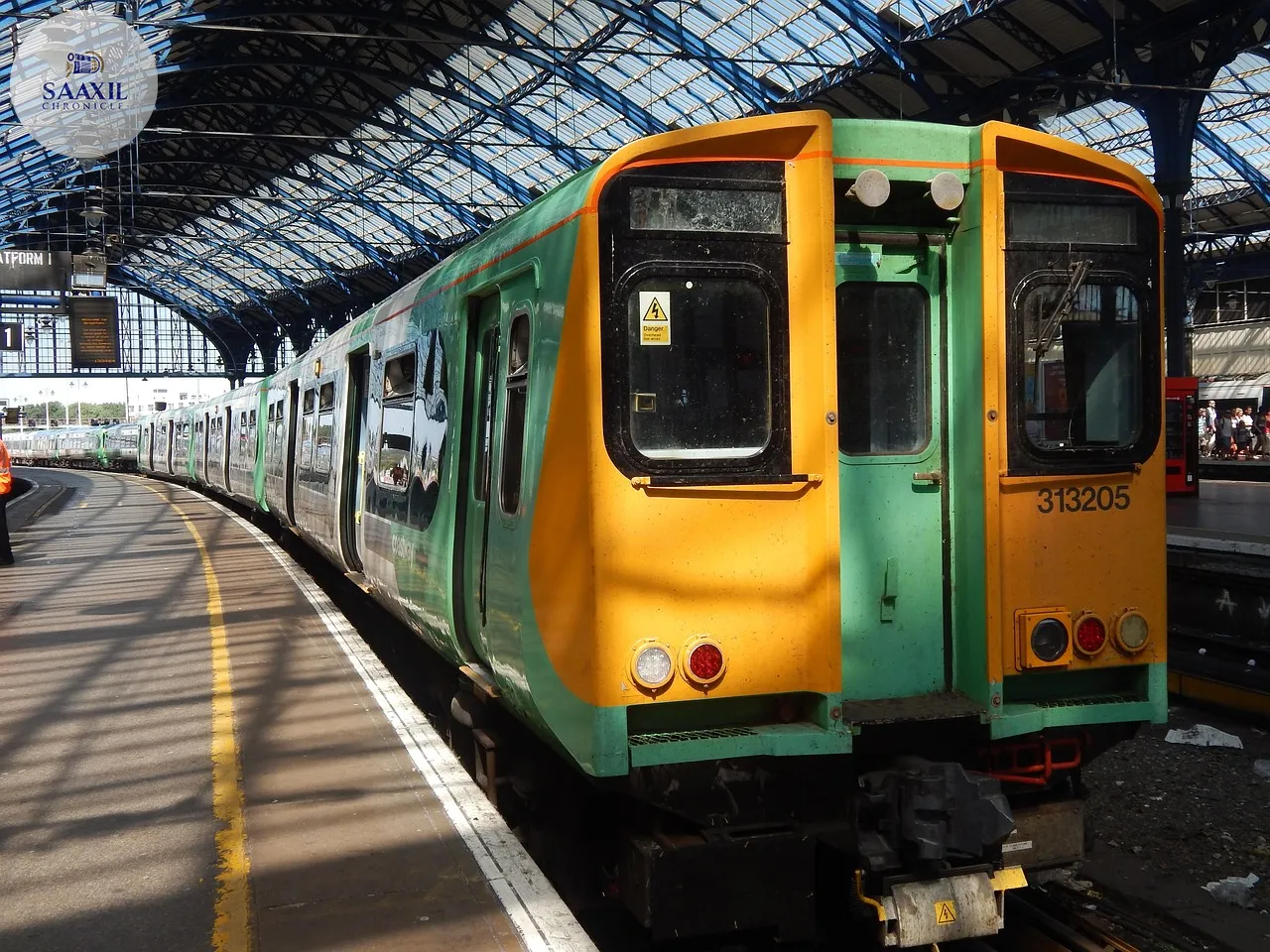
Operator points to staffing row over guards on trains
Chiltern Railways attributes the setback in part to a dispute over the use of guards on the new services. That row centres on whether trains run with onboard guards and the scope of their duties. The disagreement has become a live operational issue for the launch, and it now sits on the critical path for the route to open. The operator says it cannot confirm a start date until it resolves that staffing question.
The debate over guards on trains has shaped rail operations across Britain in recent years. Arguments often focus on safety, customer service and cost, with different operators adopting different models. The row on East West Rail feeds into that wider industry context. Until the company and staff representatives settle how they crew trains on the route, the first services will not leave the platform.
From planned autumn opening to ‘earliest 2026’
The Oxford–Milton Keynes link was due to carry its first passengers this autumn as the opening chapter of East West Rail. The operator now plans for 2026 at the earliest and offers no firm launch day. That shift means the programme loses a full travel season and moves into a new calendar year, with knock-on effects for testing milestones, rostering and customer information.
The lack of a confirmed date signals that several moving parts still need alignment. Launching a new service demands trains, crews, stations, timetables and systems that all work together. A staffing dispute can stall that process even when much of the infrastructure stands ready. The company says it needs more time to achieve a workable and safe operating model before it sells tickets and runs a timetable the public can rely on.
What the delay means for travellers and local economies
Passengers who expected a new direct rail option between Oxford and Milton Keynes now face a longer wait. Travellers must keep using existing routes and connections, which add time and complexity to journeys across the corridor. The delay also slows the expected shift of some trips from road to rail, a goal that local leaders have linked to congestion relief and cleaner travel.
Businesses along the corridor planned around a stronger east–west link to recruit staff, serve customers and connect with universities and research hubs. They now adjust plans for another year at least without the new service. Some investors often watch transport delivery as a signal of wider momentum. A later start may prompt firms and councils to rephase projects that assumed an autumn launch.
East West Rail’s role in the Oxford–Cambridge arc
East West Rail sits at the heart of the government’s vision for the Oxford–Cambridge arc. Ministers pitch the railway as a backbone for growth in science, technology and advanced manufacturing, tied to world-class universities and research institutions. The Oxford–Milton Keynes stage represents the first visible part of that plan, before any further extension towards Cambridge.
A delay on the opening section does not end that vision, but it does test delivery confidence. Timely rail links often underpin housing, skills and investment programmes across a region. Pushing the start to 2026 at the earliest lengthens the timeline for benefits that supporters want to see on the ground: quicker commutes, better access to jobs and a stronger labour market across the arc.
Clarity on next steps and what to watch
Chiltern Railways says it cannot set a start date until it resolves the row over guards and finishes launch preparations. The company faces pressure to give a clear timeline, with enough notice for passengers, businesses and councils to plan. Further updates on staffing, service frequency and station readiness will shape expectations over the coming months.
Stakeholders will watch for three signals: a staffing settlement that defines how crews work on the route, confirmation of a first-day timetable, and a public date for the first trains. Each milestone builds trust that the line can open and operate reliably. Until those steps land, the earliest-start marker for 2026 remains only a guide.
Service design, customer experience and reliability
The dispute over guards does more than shape crewing numbers; it also affects service design and customer experience. Decisions on onboard roles influence ticket checks, assistance for passengers and responses during disruption. The operator must balance safety, service quality and efficiency when it sets the final operating model.
Reliability at launch will also matter. New routes often face early teething problems, and crews need consistent processes to manage incidents, station stops and connections. By sorting the staffing model now, the operator seeks a steadier start later. A short delay can save time over the first months of operations if it avoids frequent cancellations and last-minute changes.
Regional planning and public expectations
Public interest in East West Rail runs high because the project promises daily practical benefits, not just long-term growth