
Researchers have reported that combining two types of brain scans can reveal early clues about which teenagers may develop anxiety later on. The finding, highlighted by MedicalXpress on 26 October 2025, points to a more precise way to flag risk during a period when mental health problems often emerge. The approach looks for subtle patterns that a single scan may miss, and it could help clinicians spot warning signs before symptoms take hold. While details of the methods remain limited in the public report, the work adds momentum to a growing effort to use neuroimaging to support early intervention for adolescent mental health. It also raises timely questions about how services, schools and families might use such insights without stigmatising young people or overpromising what scans can deliver.
Context and Timing
MedicalXpress reported the findings on Sunday, 26 October 2025. The report described research that combined two brain imaging measures in adolescents and linked the combined read-out with future anxiety risk. The summary did not set out the sample size, the specific imaging modalities or the research institution. That information will matter for judging how widely the findings apply and how reliable they are. Even so, the core message is clear: a combined brain scan approach may offer a stronger signal of future anxiety than one scan alone, and it points to a possible new tool to identify young people who might need support.
How Combining Brain Scans Can Strengthen Prediction
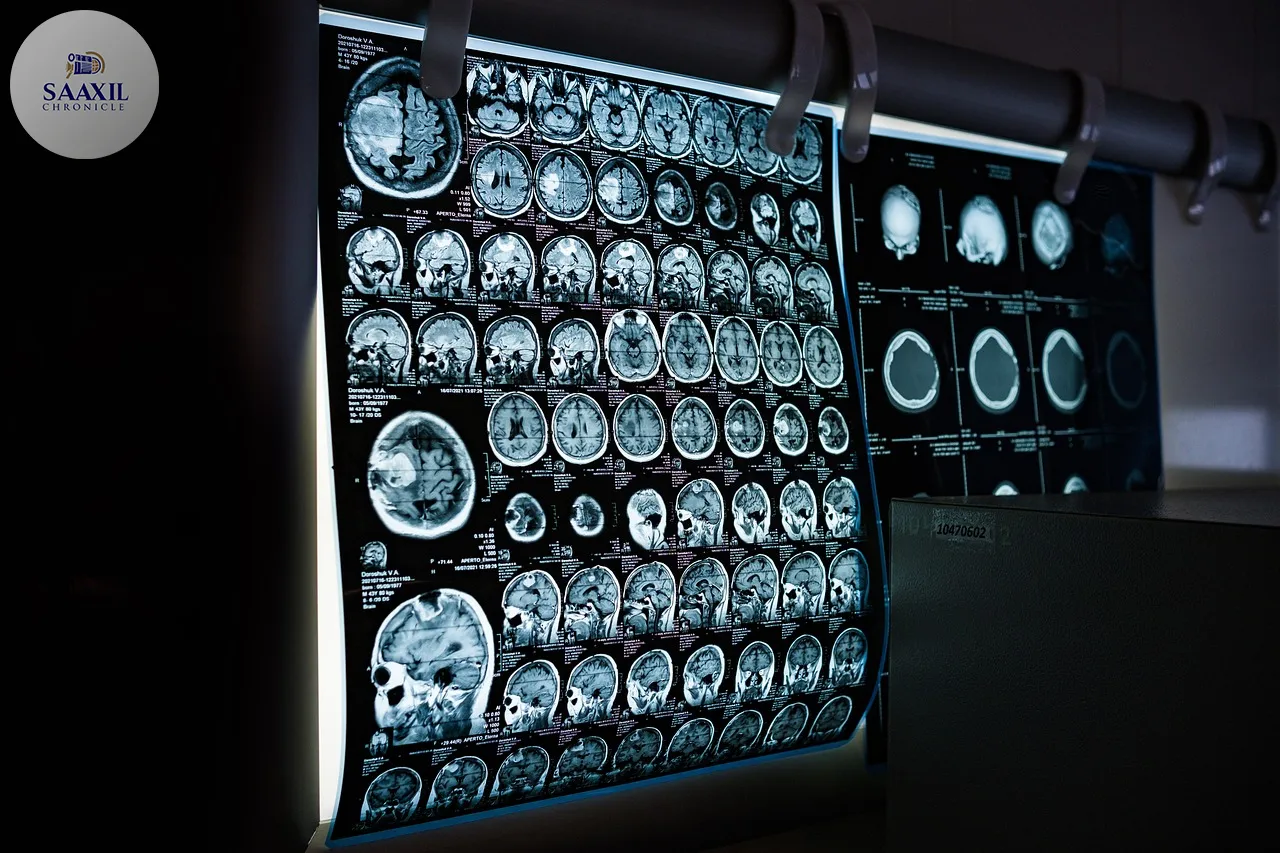
Each brain imaging method captures a different view of the brain. One scan may map structure, another may track brain activity, and a third may trace the wiring between brain regions. When researchers blend information from two scans, they can see patterns that a single method can miss. Small differences that look unimportant in one scan can gain meaning when paired with a second measure. This kind of multimodal approach has become more common in neuroscience, especially in studies that track development from early adolescence into adulthood.
Adolescence brings sweeping changes in brain networks that shape attention, fear, reward and social thinking. Anxiety often involves shifts in how these networks interact. Researchers have previously shown that the brain’s emotion and control systems can look and behave differently in young people with anxiety symptoms. By combining scans, teams can align signs across systems. They can test whether the pattern that emerges links more strongly to later symptoms than any single measure. If it does, doctors may gain a clearer read-out of risk at an earlier stage.
Why Early Clues to Anxiety Matter in Adolescence
Anxiety ranks among the most common mental health problems in young people. The World Health Organization estimates that one in seven adolescents worldwide lives with a mental disorder, with anxiety and depression among the leading conditions. Many teens recover with timely support. Others struggle for years, often because stigma, long waits or a lack of early detection delays care. Teachers and parents may miss early signs, especially when a child masks distress or avoids situations quietly.
Better tools for early detection can change the course. When clinicians identify risk early, they can offer proven steps such as cognitive behavioural strategies, sleep routines and family support. These measures can reduce symptoms and prevent relapse. If brain scans can add reliable information to routine assessments, they could help doctors focus care on those most likely to benefit. That promise depends on evidence that the combined scan method works across different groups and settings, not just in a single study sample.
How the Report Fits with Earlier Research
Past studies have linked anxiety in young people to differences in brain networks that handle threat, self-awareness and regulation. Scientists have also tested whether brain measures can predict future symptoms. Results often show small to moderate effects, and many models fail to hold up in new groups. Researchers have responded by using larger samples, simpler models and multi-site datasets to improve reliability. They have also tried multimodal approaches that combine two or more brain signals.
The new report sits within this trend. It suggests that a combined brain scan read-out offers a clearer picture of future anxiety risk. That idea aligns with earlier work that found combined measures can outperform single ones in tasks such as predicting attention problems or memory decline. Still, the field faces a key test: can researchers replicate results in different cohorts and time points, and can they show that predictions help clinicians make better decisions that improve outcomes?
What This Could Mean for Schools, Families and the NHS
If further studies confirm the value of a combined scan approach, services could add it to broader risk assessments. Clinicians could use it alongside clinical interviews, questionnaires and school reports. Families could receive clearer guidance about next steps. Schools could plan support for students who may struggle with anxiety during key transitions, such as the move to secondary school, exam years or the first months at university.
Practical hurdles remain. Brain scans cost money and require specialist staff. Not every clinic or region has easy access to advanced imaging. If systems adopt a combined scan tool, they will need clear rules about who receives it and when. They will also need to prove that the benefits outweigh the costs. In the UK, the NHS will ask whether a scan meaningfully improves triage, reduces waiting times, or prevents crises compared with simpler, lower-cost tools.
Safeguards, Consent and Data Privacy for Young People
Any plan to use brain scans in adolescents must protect privacy and choice. Parents and young people need clear information about what a scan can and cannot show. They should know how clinicians will store and share results, how long the NHS or a research team will keep the data, and who can access it. They should also learn about the chance of false alarms. A test that flags risk may still be wrong for some individuals, and a label can cause harm if schools or families treat it as a diagnosis.
Ethical guidance recommends that teams design tools with input from young people and caregivers. Services should show that a new test helps the child in front of them, not only the data model. Researchers should also publish code and protocols, pre-register analyses where possible, and test models across diverse groups. These steps build trust and help the public see that brain-based tools support care, rather than replace human judgement.
What to Watch Next: Replication, Reach and Real-World Impact
Readers should look for the full study that underpins the MedicalXpress report. Key details include the number of participants, their ages, how long researchers tracked them, and which two brain scans they combined. The analysis approach, the size of the predictive effect, and tests in independent samples will matter as well. Results that hold up across sites and scanning machines give clinicians more confidence.
Beyond the lab, the test for any new method is whether it improves outcomes. Future work should show that a combined scan measure changes clinical decisions and leads to better results for young people. Studies that compare scan-informed care with usual care can answer that. Researchers should also weigh whether adding non-brain data—such as sleep, activity, school attendance and family history—can boost accuracy more cheaply than scanning alone.
Wrap-Up
The report that two combined brain scans can spot hidden clues to future teen anxiety adds a promising piece to a complex puzzle. It suggests that blending brain measures may sharpen risk signals at a time when early action can make the biggest difference. The idea fits with wider trends in adolescent neuroscience and precision mental health. Yet, it also brings practical and ethical questions that services must address before any rollout. Readers should watch for the full study, independent replications and real-world trials that test whether scan-informed care actually helps teenagers feel and function better. If future evidence delivers on that promise, clinicians, schools and families could gain a more reliable way to guide support, reduce delays and prevent long-term harm from anxiety during the crucial years of adolescence.