
Lead
Apartment Therapy has set the agenda for the next wave of kitchen design with a new feature that gathers predictions from designers for 2026. The article, titled “7 Kitchen Trends That Will Be Everywhere in 2026 (and 3 on Their Way Out), According to Designers,” outlines ideas that the industry expects to gain pace and signals styles that may lose ground. The feature leans on expert voices and highlights a clear message: “Form and function will come together even more.” The piece arrives as homeowners, retailers, and makers plan projects and product lines for the year ahead, and it offers an early snapshot of where the market may move next.
Context and Timing
Apartment Therapy published the feature online on 13 October 2025 at 15:30 Eastern Time. The US-based home and design platform reached its audience with a forward-looking brief that targets readers who plan upgrades in late 2025 and 2026. The piece sits within the site’s broader coverage of interiors, trends, and practical guidance.
Designers set the tone for 2026 kitchens
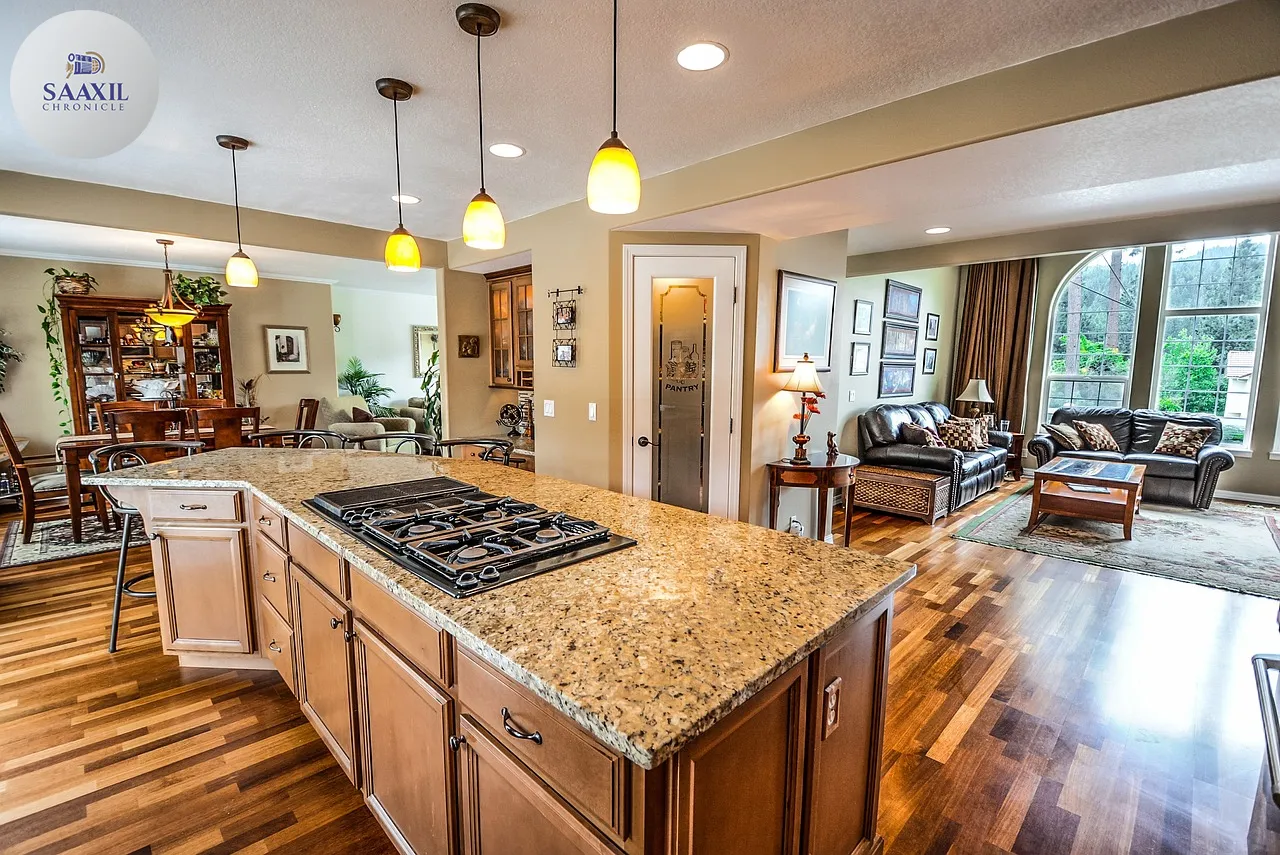
Apartment Therapy framed the feature around designers’ insights, and it signposted a practical theme: kitchens must work hard and look good. The teaser line, “Form and function will come together even more,” flags an emphasis on usability alongside style. That focus matters because the kitchen operates as a hub in many homes. People cook, work, and gather in the same room, so layout and materials carry extra weight. The feature points readers to choices that aim to balance daily use with long-term appeal.
Designers often shape taste and set expectations for new product lines. When a major design outlet curates their views, it can accelerate the cycle from concept to showroom. Suppliers track these signals and adjust plans. Makers look at finishes, fixtures, and layouts that fit the conversation. Readers benefit when a trusted site pulls those threads together in one place, with clear claims about what may rise and what may recede.
Why a forecast now matters to homeowners
Homeowners who plan a kitchen upgrade face long lead times. Cabinets, worktops, appliances, and trades all require careful scheduling. A forward-looking guide helps readers set priorities before they lock in orders. A year-out forecast also helps with budgeting. People can price core items, compare alternatives, and make trade-offs that fit their goals.
Timing also shapes choice. Builders and installers often book months ahead. A clear view of upcoming trends allows homeowners to secure trades, order materials, and avoid last-minute changes. A plan that blends current taste with durable functionality can protect value and cut stress. A forecast that stresses performance as well as style gives homeowners a better base for decisions that they must live with every day.
Retailers and makers read the signals
Retailers use trend forecasts to guide assortments and display plans. A widely read feature on a high-traffic site can influence which finishes, handles, taps, and lighting options gain floor space. It can also guide online merchandising and search strategy. When designers call out rising ideas, retailers can prepare content, stock levels, and customer service scripts to support those choices.
Manufacturers look at the same signals to shape product roadmaps. Makers assess investment in tooling, colour ranges, and material sourcing based on likely demand. They also consider durability and care needs because kitchens take heavy use. A forecast that underlines function will push suppliers to balance look and longevity. That alignment can reduce returns, boost satisfaction, and support brand trust.
The blend of form and function takes centre stage
Apartment Therapy’s summary line tells a clear story: 2026 kitchens will lean into performance as much as aesthetics. That ethos fits how people use the space. Quick-clean surfaces, sensible storage, robust hardware, and efficient layouts support everyday life. Design can still delight, but it must earn its place through use.
This approach also favours informed choice. Readers can ask simple, practical questions: How will this finish handle heat and spills? Does this layout reduce steps and bends? Can I maintain these surfaces without specialist products? When a design guide stresses function, it gives readers permission to prioritise comfort, safety, and ease of care without sacrificing style.
How to use predictions without the hype
Trend features work best as a compass, not a rulebook. Homeowners can use the list of “in” ideas to refine a mood board, then test those ideas against their space. Good planning starts with measurements, traffic patterns, and daily routines. A prediction gains value when it solves a real need, like better prep space, improved lighting, or safer storage.
Readers can also treat the “out” list as a prompt to check maintenance, availability, or repair costs for certain choices. A style that appears to fade may still suit a specific home. If it performs well, fits the budget, and pleases the household, it remains a valid option. A smart read of any forecast will match inspiration to purpose, and it will leave room for personal taste.
What to watch on the road to 2026
Major fairs and shows will shape the conversation as 2026 approaches. The Kitchen & Bath Industry Show (KBIS) runs each year in the United States and often signals near-term product direction. Salone del Mobile in Milan hosts EuroCucina in even years, so 2026 will bring a focused view of kitchen innovation to a global audience. Those events, along with regional trade shows and open studios, will test and refine current predictions.
Readers can also watch retailers’ autumn and spring ranges. New door profiles, handle lines, tap finishes, and lighting systems often arrive with seasonal resets. Editorial lists like Apartment Therapy’s can give early clues about what stores will feature. Makers will then confirm those clues with launches, lead times, and pricing. Together, editorial signals and market activity will define which predictions gain real traction.
How Apartment Therapy shapes the home design conversation
Apartment Therapy has built a large audience around practical, design-forward content. The site’s mix of room tours, before-and-afters, shopping guides, and service journalism gives it reach with both design fans and casual readers. When the platform publishes a forward-looking feature, it can influence what people pin, search, and buy.
The site’s focus on accessible ideas also matters. Readers look for guidance that translates to rental flats, compact homes, and busy family kitchens. By framing the 2026 kitchen conversation around function and form, the feature aligns with that mission. It points to upgrades that aim to work for more people and more budgets, without losing sight of style.
Wrap-Up
Apartment Therapy’s new feature on 2026 kitchen trends offers a timely guide for anyone who plans a refresh in the next year. The clear emphasis on “form and function” sets a sensible tone in a category that must handle daily use. Homeowners can use the piece to frame choices, book trades, and plan purchases. Retailers and makers can treat it as an early signal and prepare ranges and launches that meet practical needs as well as aesthetic aims. The design calendar will add new proof points in the months ahead, from trade shows to seasonal product drops. Readers who