
A small sticker on new car tyres could mean the difference between stopping in time and a costly crash. Auto Express, the UK motoring title, reports that a largely overlooked tyre rating system can separate the best and worst performers by as much as 18 metres of braking distance. The labels sit on almost every new tyre sold across Europe and widely in the UK. They grade key safety and efficiency measures, including wet grip, fuel efficiency and external noise. For drivers facing slick autumn roads and dark commutes, a quick check at the point of purchase could deliver a big safety gain for little extra effort.
The guidance matters for all motorists, from family car owners to high?mileage drivers and EV users. Tyre choice affects how quickly a car stops on wet roads, how much fuel it uses, how far an EV can travel between charges and how loud it sounds to people outside. The label provides a simple way to weigh those trade?offs without guesswork.
Context and timing
Auto Express highlighted the safety benefits of tyre labels on Tuesday, 28 October 2025. The piece points UK motorists toward a label already in use across the European market. The reminder arrives as wetter, colder months set in, when wet grip plays a larger role in stopping safely.
What the tyre label tells you at a glance
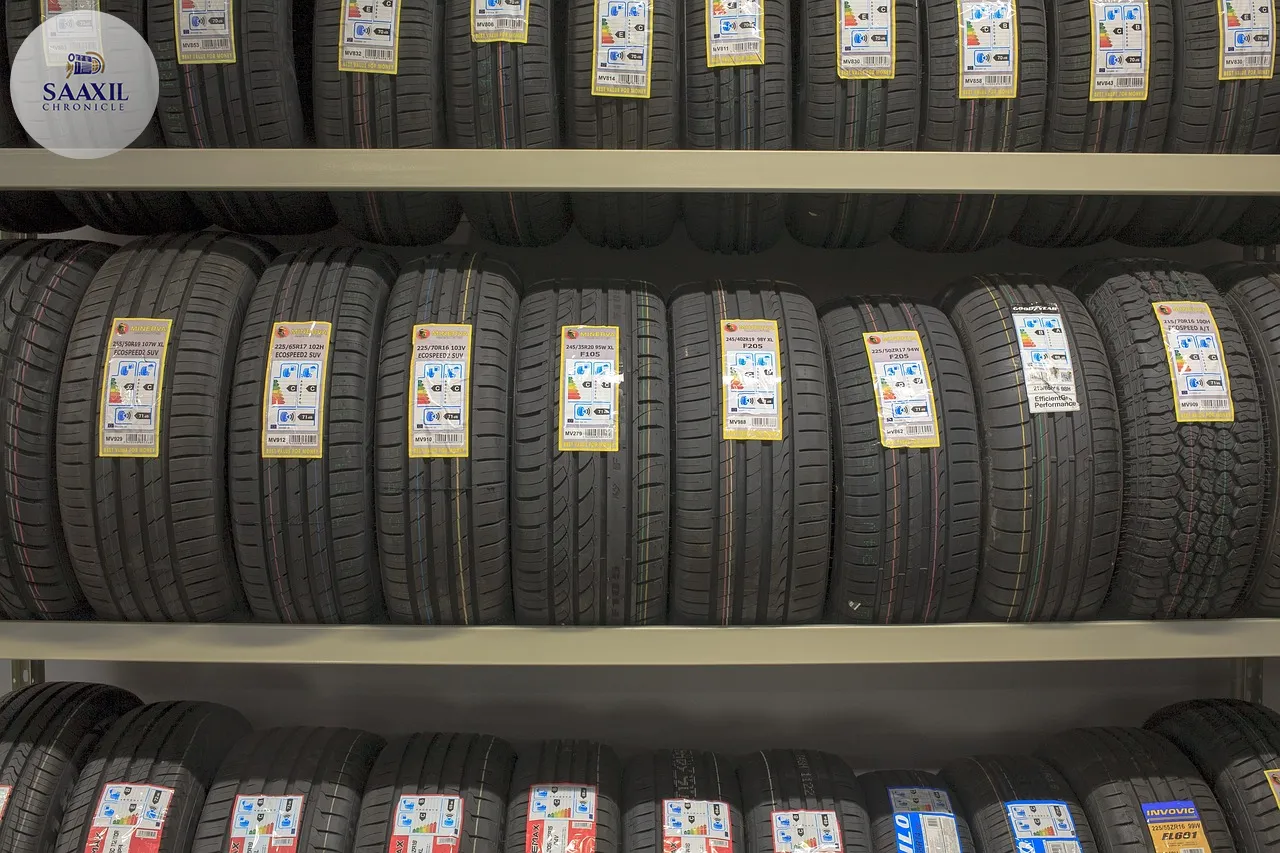
Tyre labels grade three core factors. Wet grip focuses on stopping performance on wet roads. Fuel efficiency reflects rolling resistance, which influences fuel use and EV range. External noise lists a decibel figure and an A to C class for how loud a tyre sounds outside the car. Most labels also include symbols for snow and ice grip on winter and Nordic tyres.
Regulators updated the European tyre label in 2021 to make it easier to compare products. Grades for wet grip and fuel efficiency now run from A (best) to E (lowest). A scannable QR code links to an official product information sheet in a central database. Retailers display the label at the point of sale and online so buyers can compare before they fit.
Why wet grip rating matters for your stopping distance
Wet grip sits at the heart of the safety message. The label grades how well a tyre can stop on a wet surface under standardised test conditions. Auto Express notes that the gap between the best and worst tyres can reach 18 metres of braking distance. That space is longer than four car lengths. In heavy rain or on worn tarmac, that margin can decide whether you avoid an obstacle or hit it.
Stopping distance depends on many factors, including speed, road surface, vehicle load, tyre pressure and tread depth. The label does not change those basics. It does, however, provide a clear, comparable signal of how a tyre performs when the road turns slick. An A?rated wet grip tyre typically delivers shorter wet braking distances than lower?rated alternatives. For most drivers, that makes wet grip the first rating to check.
How to use the label when you buy tyres
Start with the correct tyre size, load index and speed rating for your car. You can find these in the owner’s manual, on a sticker inside the driver’s door frame or on the existing tyre sidewall. Once you have the right size, compare the label grades. Prioritise wet grip if you drive often in rain or on rural roads. If you cover long motorway distances, add fuel efficiency to your list. For city drivers, external noise may also matter.
Do not overlook maintenance. Keep tyres inflated to the recommended pressure, which you can find in the manual or on the door frame. Underinflated tyres lengthen braking distances and raise rolling resistance, which burns more fuel and cuts EV range. Rotate tyres according to the manufacturer’s guidance and check wheel alignment if you notice uneven wear. UK law sets a minimum tread depth of 1.6 mm across the central three?quarters of the tread around the full circumference. Many safety groups advise replacing earlier for added wet grip.
Fuel efficiency, EV range and road noise: balancing the trade?offs
Rolling resistance marks how much energy a tyre needs to roll. A lower rolling resistance (a better fuel efficiency grade) can reduce fuel consumption in petrol and diesel cars and extend range in electric vehicles. The gain can add up over tens of thousands of miles. If you drive high annual mileages, a tyre with a stronger fuel efficiency grade can lower running costs and emissions.
External noise matters for urban areas and low?speed zones. The label lists a decibel figure and an A to C class. A lower class means a quieter tyre outside the car, which can help reduce traffic noise in neighbourhoods. Cabin noise also depends on the car itself, road surface and speed, so treat the label as one useful indicator among several.
What changed in the 2021 label update
The 2021 update simplified the scale and added clarity. Older labels used more classes; the current design runs A to E for both wet grip and fuel efficiency to make differences easier to see. The noise pictogram now includes both a letter class and a decibel reading. Winter and Nordic tyres can carry a three?peak mountain snowflake symbol and an ice grip icon where applicable, so drivers in cold climates can choose more confidently.
The update also added a QR code that links to an official database entry for that tyre model. Buyers can scan it to view a product information sheet with the same grades shown on the label. That step makes it harder for incorrect labels to slip through and helps shoppers compare models across brands with consistent data.
Turning label knowledge into safer choices
Price still matters, and promotions can tempt buyers into lower?rated tyres. The label gives a neutral reference point so you can ask better questions at the counter or online checkout. If two tyres cost a similar amount, but one carries a higher wet grip grade, the safer choice becomes clear. If you need to stretch a budget, consider stepping down in fuel efficiency before sacrificing wet grip.
Think about your driving pattern as well. A commuter who often faces wet motorways may get the best value from an A?rated wet grip tyre, even if it carries a mid?range fuel efficiency grade. An EV owner focused on range might prefer a tyre with strong rolling resistance performance, provided its wet grip remains at the top end. The label puts those trade?offs in view so you can choose with confidence.
Wrap-up
A tyre label may look like a small set of icons, but it carries big implications for safety and cost. As Auto Express underscores, the gap between the best and worst wet grip performance can reach 18 metres of stopping distance. By checking the label before you buy, you can prioritise the grade that matters most: wet grip. You can then balance fuel efficiency and external noise to match how and where you drive. With wetter weather on the roads and shorter days ahead, now is a sensible time to use the label as intended. It takes moments to read, costs nothing to compare and could give you the crucial space you need to stop in time.