

A surge in electric vehicle charging has outstripped the pace of new public chargers, according to new data from ChargePoint. The operator reports it enabled more than 100 million charging sessions over the past year and says use of its network now grows faster than fresh charge points come online. By pairing its network information with 2025 electric car sales figures, the company argues that public charging infrastructure is not keeping up with the expanding EV fleet. The warning highlights a looming constraint for drivers who rely on public charging, as well as for policymakers and site owners planning new facilities. It also underscores how quickly charging behaviour can change once more battery?electric models reach the road, pushing higher occupancy at existing sites and thinner capacity margins during busy periods.
The update surfaced this week and reflects activity across the company’s network over the last year. It points to a rising strain on public charging capacity as more drivers transition to electric models and take longer journeys that depend on en route charging.
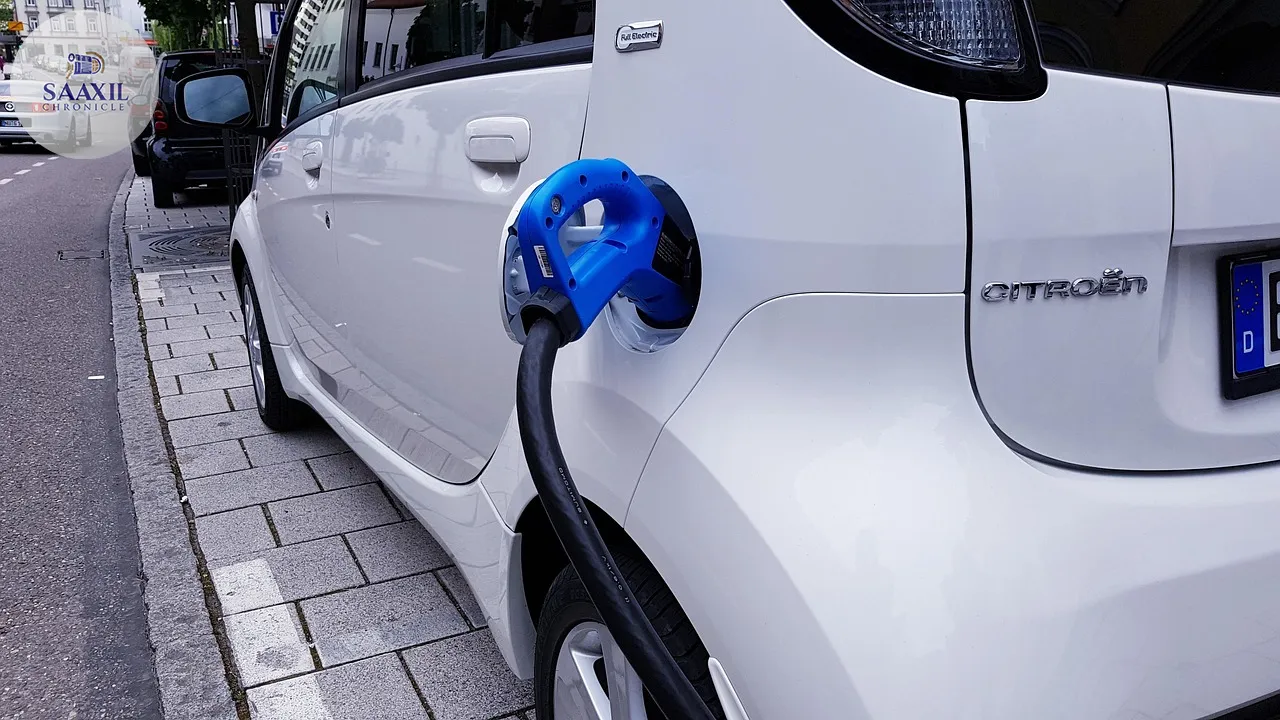
Demand rising faster than plug installations
ChargePoint’s assessment rests on two simple indicators: sessions handled and chargers added. The company says it supported more than 100 million sessions in the past year and that demand growth now exceeds the rate at which new units are installed. That imbalance forms the basis of its warning about a new bottleneck. In practice, when vehicles arrive faster than chargers appear, utilisation rises. Higher utilisation means a larger share of the day when a charger is already in use, which can make it harder to start a session immediately.
For drivers, elevated utilisation can translate into queues at busy sites, reduced flexibility on route planning, and a greater need to check availability before setting off. For operators and site hosts, it adds pressure to expand capacity, manage dwell times, and maintain uptime to avoid pinch points. These are routine operational challenges in any networked system where access points must match a growing user base.
What a charging ‘bottleneck’ looks like
A bottleneck in charging is a simple supply?and?demand mismatch: too many vehicles competing for too few available plugs at a given time and place. Operators track this through metrics such as average session length, queue formation, and time?of?day utilisation. When those indicators move in the wrong direction, drivers encounter longer waits, and networks lose throughput.
Different charger types also matter. Most public posts are AC “destination” chargers, often around car parks, workplaces, and retail sites. These suit longer stops, such as a few hours while shopping or working. By contrast, DC rapid and ultra?rapid chargers deliver far higher power to shorten stops on long journeys. Where demand concentrates on rapid chargers along major routes, a small shortfall in posts can cause a noticeable ripple, particularly at peak travel times and holidays.
Why matching EV growth with infrastructure matters
ChargePoint’s analysis draws on its network data and 2025 EV sales figures, highlighting the link between vehicle adoption and infrastructure planning. As more people buy electric cars, the public network must scale not only in number but also in the right locations and power levels. Many drivers with home charging will still rely on public sites for longer trips. Others, especially those in flats or without private driveways, depend on public charging for daily use.
Aligning charger growth with EV registrations helps reduce the risk of localised congestion. It also supports confidence among prospective buyers who weigh charging access alongside price, range, and running costs. If access proves inconsistent, drivers may cluster around a few known reliable sites, which can further concentrate demand and worsen queues at those locations.
Reliability, access and payment rules set the bar
Capacity is only one side of the equation. Reliability, ease of payment, and clear pricing also shape the real?world experience. In the UK, the Public Charge Point Regulations 2023 set standards for rapid charging, including a 99% reliability requirement across a network of rapid chargers, straightforward contactless payment, and a 24/7 helpline. The rules also push for better data sharing so that apps and in?car systems can display live availability and pricing.
Such measures do not add physical plugs, but they help keep existing ones in service and easy to use. If chargers remain online, accept common payment methods, and share accurate status data, drivers can spread out across available sites rather than bunching at the few they trust. That supports higher effective capacity without immediate hardware expansion.
Investment, grid capacity and site selection
Scaling public charging often hinges on grid connections and site readiness. Many locations need electrical upgrades, new transformers, or civil works before high?power units can operate. These steps take time and coordination with network operators and local authorities. Installation lead times, planning permissions, and supply chains can all slow the roll?out even when funding exists.
Site selection also matters. Placing chargers where people want to stop—near services, lighting, and amenities—improves turnover and user satisfaction. Good traffic flow design reduces blocked bays and improves safety. Clear signage, reliable wayfinding in digital maps, and consistent connector standards further reduce friction, keeping sessions shorter and sites more efficient.
Data?driven planning and peak?time management
Network data can help target the next wave of installations. Heat maps of session starts, repeat usage, and dwell time guide operators to expand in areas under the most pressure. Time?of?use patterns can support smart pricing or incentives to shift some demand to quieter periods where appropriate. While pricing decisions rest with operators and site hosts, the goal remains straightforward: smooth peaks, raise off?peak use, and keep queues short.
As more EVs enter fleets, an additional layer of planning emerges. Fleet vehicles often follow predictable routes and schedules, creating sharp peaks at depots and favoured public sites. Coordinating depot charging with public access, and reserving capacity where permitted, can prevent spillover at local hubs and keep roadside chargers free for long?distance travellers.
What this means
For drivers, a tighter balance between EV numbers and public charging means planning matters more. Check live availability before longer trips, factor in alternative sites along your route, and allow extra time at known peak hours. If you can charge at home or work, topping up there can reduce reliance on busy public hubs. For businesses that host chargers, monitoring utilisation and expanding bays—or adding a mix of AC and DC units—can ease local pressure and attract customers. For councils and policymakers, aligning charger approvals, grid upgrades, and public funding with EV registration trends will help prevent localised bottlenecks. Clear signage, fair access rules, and strong uptime standards remain essential. For the wider industry, the signal is straightforward: keep installations moving, match power levels to use cases, and use data to anticipate where the next pinch points could appear so that existing sites stay reliable while new ones come online.
When and where
The new data and analysis were reported on 11 February 2026 by Electrek, citing ChargePoint’s network usage over the previous year and its comparison with 2025 EV sales figures.