
Stuart Craig, the visionary production designer known for his iconic work on the “Harry Potter” and “Fantastic Beasts” film series, has died at the age of 83. Craig, a three-time Oscar winner, left an indelible mark on the film industry with his exceptional ability to transform scripts into vivid, immersive worlds. His contributions to cinema include acclaimed films like “Gandhi,” “Dangerous Liaisons,” and “The English Patient,” each earning him an Academy Award. Craig’s passing marks the end of an era for film design, leaving behind a legacy celebrated by peers and fans alike.
Craig passed away on 9 September 2025, leaving the film community in mourning. His death was confirmed by his family, who shared that he died peacefully. Over the decades, Craig’s work was instrumental in shaping the visual storytelling of some of the most beloved films, particularly those adapted from literary works. His ability to bring fictional worlds to life was unparalleled, making him a revered figure in the industry.
A Storied Career in Film Design
Stuart Craig’s career began in the 1960s, but it was his work in the 1980s that catapulted him into the spotlight. His first Oscar came in 1982 for the epic biographical film “Gandhi,” directed by Richard Attenborough. Craig’s meticulous attention to historical detail and expansive set designs helped recreate the life of Mahatma Gandhi with authenticity and grandeur.
His subsequent Oscar wins for “Dangerous Liaisons” in 1988 and “The English Patient” in 1996 further solidified his status as a master of production design. Each film showcased Craig’s versatility and his keen eye for period detail, as he crafted environments that were both visually stunning and narratively integral. His work was not just about creating beautiful sets, but about enhancing the storytelling through meticulous design.
The Magical World of Harry Potter
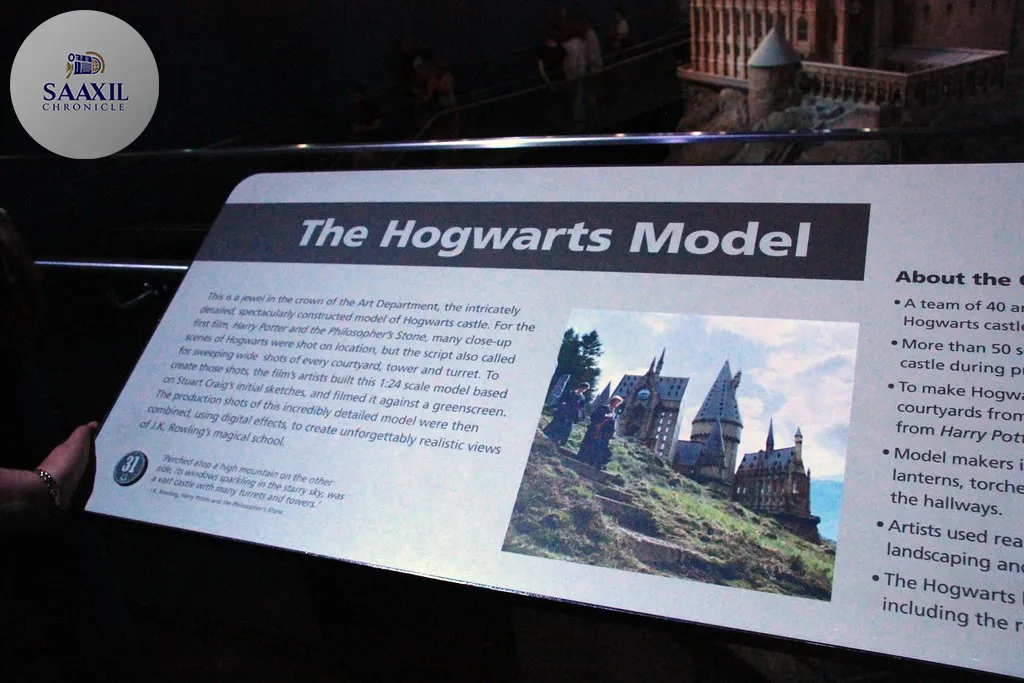
Perhaps Craig’s most famous work came with the “Harry Potter” series, where his designs became synonymous with the magical world envisioned by author J.K. Rowling. Starting with “Harry Potter and the Philosopher’s Stone” in 2001, Craig’s designs brought to life Hogwarts School of Witchcraft and Wizardry, Diagon Alley, and countless other iconic locations. His work on the series spanned a decade, culminating in the final film, “Harry Potter and the Deathly Hallows – Part 2,” in 2011.
Craig’s designs were instrumental in creating a consistent and believable magical universe, which became a benchmark for fantasy films. His ability to balance the fantastical elements with a sense of realism allowed audiences to fully immerse themselves in the world of Harry Potter. His work on the series earned him numerous accolades and nominations, including three additional Oscar nods.
Continuing the Legacy with Fantastic Beasts
Following the success of the Harry Potter films, Craig continued his collaboration with the Wizarding World franchise through the “Fantastic Beasts” series. His work on “Fantastic Beasts and Where to Find Them” (2016) and its sequels expanded the magical universe, introducing new settings and creatures that captivated audiences. Craig’s designs maintained the aesthetic continuity established in the Harry Potter films while exploring new territories and eras within the magical world.
His contributions to the “Fantastic Beasts” series demonstrated his continued innovation and adaptability in the ever-evolving landscape of film production design. Craig’s ability to adapt his designs to new stories and settings while maintaining a cohesive visual language was a testament to his skill and creativity.
Remembering a Legend
Stuart Craig’s impact on the film industry extends beyond his award-winning designs. Colleagues and filmmakers have praised his collaborative spirit and dedication to his craft. David Yates, who directed several Harry Potter films, described Craig as “a true artist whose work brought magic to millions.”
Craig’s legacy will continue to influence aspiring production designers and filmmakers. His approach to design, characterised by a deep understanding of storytelling and an unwavering commitment to quality, set a high standard for future generations. His work remains a touchstone for excellence in film design, inspiring those who seek to create worlds as vivid and captivating as those he brought to life.
As the film industry reflects on Stuart Craig’s contributions, his passing serves as a reminder of the power of visual storytelling. His designs not only supported the narratives of the films he worked on but also enriched the viewer’s experience, making cinema a more immersive and magical medium.
Stuart Craig’s life and work will be celebrated for years to come, as new audiences discover the films that bear his creative signature. His legacy is one of imagination, craftsmanship, and a profound impact on the art of filmmaking.