
In a rare public appearance in October, Iran’s Supreme Leader Ayatollah Ali Hosseini Khamenei delivered a defiant message to tens of thousands of supporters in Tehran, declaring that Israel “won’t last long.” The 84-year-old leader addressed the gathering at a mosque, urging Iranians to “stand up against the enemy” while reinforcing their faith. This rallying cry comes at a time when Khamenei finds himself increasingly backed into a corner, a predicament he has strived to avoid throughout his leadership.
A Rare Appearance with a Strong Message
Khamenei’s public appearance was notable not only for its rarity but also for its timing amidst escalating regional tensions. The sermon took place in Tehran, a city that has long been a focal point for Iran’s political and religious movements. The Supreme Leader’s message underscored his unwavering commitment to Iran’s revolutionary ideals and his stance against Israel, a consistent theme throughout his tenure.
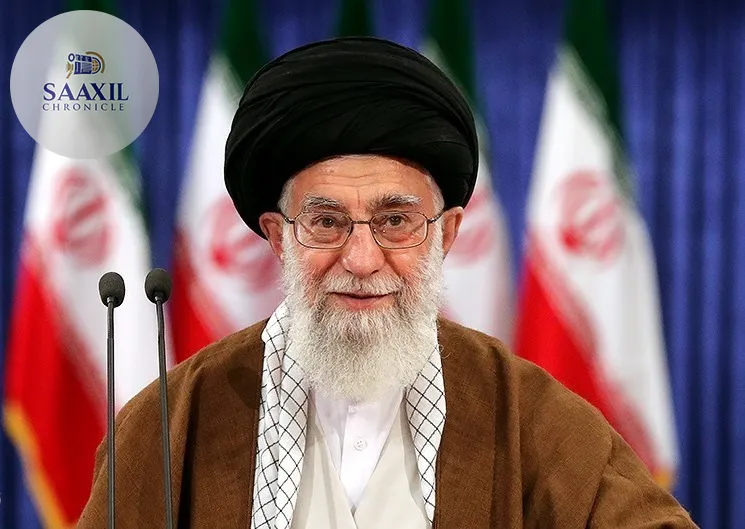
Experts suggest that Khamenei’s strong rhetoric is a reflection of Iran’s current geopolitical challenges. With international sanctions continuing to strain Iran’s economy and growing internal dissent, the Supreme Leader’s speech aimed to consolidate support and project strength. “Khamenei’s words are a clear signal to both his allies and adversaries that Iran remains resolute in its revolutionary path,” says Dr. Reza Mohammadi, a Middle East analyst.
Historical Context of Khamenei’s Leadership
Since assuming the role of Supreme Leader in 1989, Ayatollah Khamenei has been a pivotal figure in shaping Iran’s domestic and foreign policies. Known for his hardline stance, Khamenei has consistently positioned himself as a defender of Iran’s revolutionary ethos. His leadership has been marked by a commitment to maintaining Iran’s sovereignty and resisting Western influence.
Throughout his tenure, Khamenei has faced numerous challenges, including economic sanctions imposed by the United States and its allies. These sanctions have significantly impacted Iran’s economy, leading to widespread discontent among its populace. Despite these challenges, Khamenei has maintained a firm grip on power, often using religious rhetoric to galvanise support.
Current Regional Tensions and Iran’s Position
Iran’s geopolitical position is increasingly precarious, with tensions rising across the Middle East. The country’s involvement in regional conflicts, such as in Syria and Yemen, has drawn criticism and concern from the international community. Moreover, the ongoing conflict with Israel remains a focal point of Khamenei’s foreign policy.
In his recent sermon, Khamenei’s statements about Israel were in line with his historical rhetoric. However, analysts note that Iran’s current position may leave Khamenei with limited options. “The Supreme Leader’s rhetoric is as much about rallying internal support as it is about projecting strength externally,” notes Dr. Fatemeh Sadeghi, an Iranian political scientist.
Internal Challenges and Economic Pressures
Internally, Iran faces significant economic challenges, exacerbated by international sanctions and domestic mismanagement. The country’s inflation rate remains high, and unemployment continues to be a pressing issue. These economic difficulties have led to increased dissatisfaction among the Iranian people, posing a potential threat to Khamenei’s leadership.
To address these challenges, Khamenei has often turned to religious and nationalistic rhetoric, encouraging unity among Iranians. His recent speech is seen as an attempt to strengthen internal cohesion amidst external pressures. “By invoking religious and revolutionary ideals, Khamenei aims to deflect attention from economic issues and focus on a common enemy,” explains Dr. Ali Karimi, an economist specialising in Middle Eastern economies.
Future Prospects and Potential Impacts
As Ayatollah Khamenei navigates this complex landscape, the future remains uncertain. His leadership will likely continue to face both internal and external challenges. The Supreme Leader’s recent remarks highlight his commitment to Iran’s revolutionary principles, yet they also underscore the limited options available to him.
Looking ahead, the international community will closely watch Iran’s next moves. Khamenei’s ability to manage internal dissent and external threats will be crucial in determining Iran’s trajectory. “The coming months will be critical for Khamenei’s leadership. His ability to balance domestic and international pressures will define Iran’s position in the region,” predicts Dr. Maryam Rostami, a geopolitical analyst.
In conclusion, Ayatollah Khamenei’s recent public appearance and statements reveal the challenges he faces as Iran’s Supreme Leader. While his rhetoric remains steadfast, the realities of Iran’s economic and geopolitical situation present significant hurdles. The world waits to see how Khamenei will navigate these challenges, with implications that could reverberate across the Middle East and beyond.