
Chinese artist and activist Ai Weiwei has made his first visit to China in more than a decade, travelling with his son to see his elderly mother. The trip, which he described as a carefully weighed decision, coincides with the release of a new polemic on surveillance and state control. Ai, long known as one of the most prominent critics of the Chinese government, said he did not feel fear about returning. “Was I scared going back to China? No,” he said. He recalled the memory of his 2011 detention and a warning he received from his captors about how long he might be held and the personal cost he could face. “They said, ‘When you come out, your son won’t recognise you.’ That was very heavy and really the only moment that touched me,” he said.
The visit took place in China and marked the first time Ai’s son met his grandmother. Ai discussed his decision to travel, his family, and his new book while addressing wider themes of artificial intelligence, free expression and censorship.
Return to China after years abroad
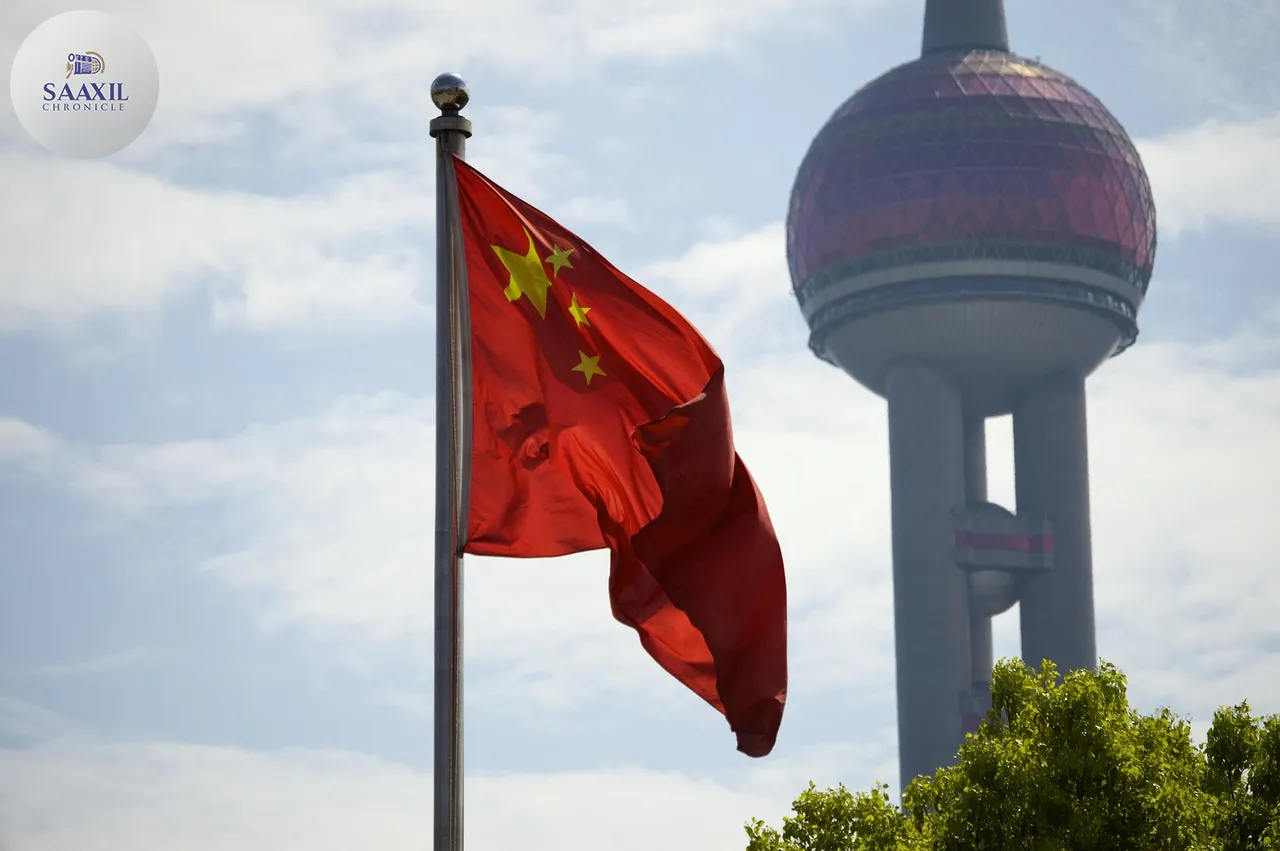
Ai’s return marks his first trip back to China in over a decade. He travelled with his son so the boy could meet his grandmother for the first time. He weighed risks and personal obligations before agreeing to go, describing the choice as complex but necessary for family reasons.
Ai has lived outside China for several years. He left the country after authorities returned his passport in 2015, following the end of a four-year travel ban that began after his detention in 2011. In the years since, he has worked and exhibited in Europe and elsewhere, continuing to speak publicly about human rights, surveillance and state power.
Reflections on detention and personal risk
Ai recalled the psychological pressure of his detention in 2011. He said his captors told him he faced a lengthy period in custody, and that his son might not recognise him on release. He called that warning the moment that struck him most during his confinement. His comments reflect his long record of describing difficult choices around family, safety and expression.
The artist has previously said he faced surveillance and restrictions both before and after his detention. He has spoken often about monitoring, control and how states use legal and technological tools to deter dissent. Those themes appear again in his latest public remarks and in his new book.
New polemic on surveillance and state control
Ai’s latest publication is a polemic addressing surveillance and state control. He has explored these topics for years in his art and writing. His earlier projects have examined state power, individual rights and the role of technology in public life. The new book continues this focus, arriving at a time when governments and companies worldwide expand their use of data-driven systems.
In recent years, public debate over surveillance has broadened beyond state actors to include digital platforms and private tools. Ai places his latest work in that context, setting out his view on how control can shape culture, civic space and everyday behaviour. He links these issues to his own experiences and the choices he has made since leaving China.
Views on AI and debates over western censorship
Ai also discussed artificial intelligence and content moderation in the West. He framed AI as part of a larger conversation about power, information and control, and he addressed how Western institutions handle contentious speech online and in public forums. His comments add his voice to an ongoing debate about the boundaries of expression and the responsibilities of platforms and cultural organisations.
AI tools now influence media production, search, and public discourse. While Ai did not present technical claims, he highlighted questions that policymakers and cultural figures continue to weigh: who sets rules for speech, how those rules are enforced, and what role artists and writers play in testing those boundaries. His remarks place artistic freedom alongside questions of digital governance and platform policy.
Family, identity and public life
Ai linked his return to China to family obligations, including the chance for his son to meet his grandmother. He said he approached the trip with care and deliberation. The personal nature of this visit, he indicated, did not erase the history that shaped his relationship with his home country, but it did create a moment to reconnect with family.
The artist has often used personal narrative to frame his work. He has spoken about exile, migration and belonging, presenting identity as both individual and political. His return, even for a family visit, sits within that broader story. It shows the balance he seeks between personal duty and a public role that has brought him international attention.
Global platform shaped by art and advocacy
Ai’s profile grew through major exhibitions and public works, as well as through his outspoken criticism of abuses he documented or experienced. His art often combines historical references with contemporary themes, using materials and installations to speak to human rights and memory. That body of work has placed him among the most recognised artists of his generation.
His comments on surveillance, AI and censorship reflect his long-standing engagement with political systems and civic space. By publishing his polemic while returning to China for a family visit, he brings together the strands of personal history and public argument that have defined his career.
How his comments align with ongoing policy debates
Policymakers in many countries continue to examine laws on data protection, platform accountability and AI governance. Cultural organisations and universities in Western countries also review their policies on speech and event hosting. Ai’s remarks enter these active discussions, linking them to lived experience under state scrutiny and to the responsibilities of institutions outside government.
His framing underscores issues that legislative bodies, regulators and platforms already consider: transparency around rules, accountability for enforcement, and the impact of new technologies on expression. While he did not offer policy prescriptions in these comments, he placed the artist’s perspective within a landscape shaped by law, technology and culture.
What this means
- Ai Weiwei travelled to China for the first time in over a decade and visited his elderly mother.
- He made the trip with his son, who met his grandmother for the first time.
- He released a new polemic focused on surveillance and state control.
- He discussed artificial intelligence and how Western institutions handle speech and censorship.
- He recalled a warning from his 2011 detention about the possible length of custody and its effect on his family.
- His remarks add to ongoing debates about surveillance, AI governance and expression across state and private spheres.
When and where
Ai Weiwei’s remarks, and details of his visit to China, appeared in an interview published on 9 February 2026. The trip took place in China. Source: The Guardian.