

A recent study sheds light on the top 20 habits that make people the most annoying TV companions, according to a survey of 2,000 Britons. The study highlights behaviours that disrupt the viewing experience, from talking during shows to using phones excessively. As TV remains a central part of home entertainment, these findings illustrate the common frustrations shared by viewers across the UK.
The research, conducted by a leading market research firm, delves into the everyday annoyances faced in living rooms nationwide. It not only identifies these habits but also offers insights into why they bother viewers so much. The study’s results provide a humorous yet telling look at the social dynamics of watching television in modern households.
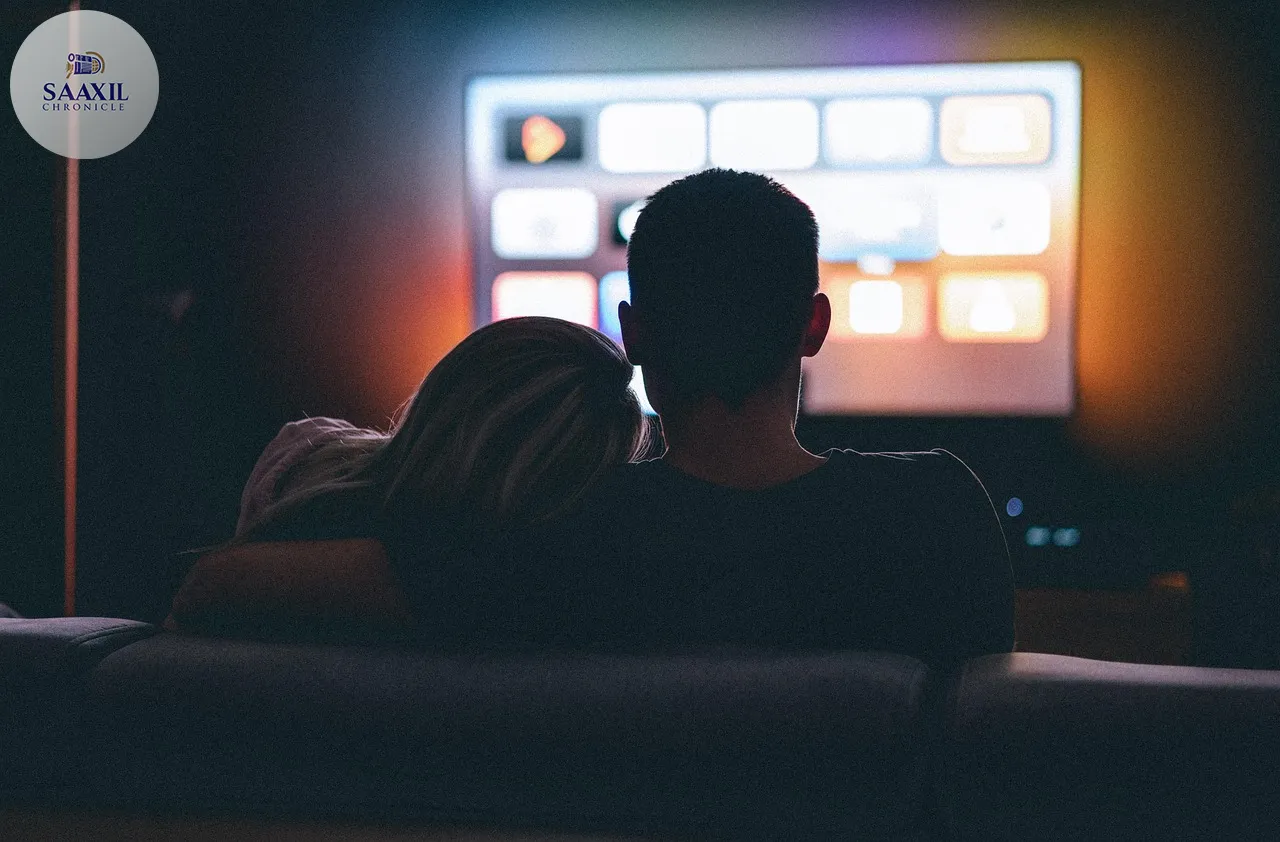
Survey Details and Timing
The survey was carried out in July 2025, with participants from various regions of the UK. It aimed to understand the habits that most disrupt the enjoyment of TV shows and films. The timing of the study coincides with a period when many people are spending more time at home, thus increasing the opportunities for these irritations to surface.
The research highlights how the living room has become a battleground for attention. With the rise of streaming services, families and friends are more frequently gathering around the television. This makes understanding and addressing these habits even more relevant.
Top Annoying Habits Revealed
Among the top grievances is the habit of talking during shows, which 67% of respondents cited as particularly bothersome. This behaviour disrupts the viewing experience and often leads to missed plot points and dialogue. Another common complaint is the excessive use of mobile phones, with 56% of participants finding it distracting when companions text or scroll through social media while watching TV.
Interrupting the programme with unnecessary commentary or questions also ranked high on the list. This habit annoys 53% of viewers who prefer to immerse themselves in the storyline without interruptions. The study suggests that these behaviours reflect broader issues of attention and engagement in social settings.
Expert Insights on Viewing Habits
Dr. Emily Carter, a behavioural psychologist, explains that these habits often stem from differing expectations of social interaction. “While some people view TV time as a shared experience that invites conversation, others see it as a chance to unwind and focus solely on the content,” Dr. Carter notes. This divergence can lead to friction, especially in households with varying preferences.
Experts suggest setting ground rules for TV time, such as agreeing on when it’s appropriate to chat or use phones. These boundaries can help mitigate conflicts and enhance the viewing experience for everyone involved.
The Role of Technology in TV Habits
The study also points to the role of technology in shaping these habits. With the prevalence of smartphones and tablets, multitasking during TV time has become increasingly common. This behaviour can detract from the immersive experience that many viewers seek.
Technology’s impact is also evident in the way people consume content. Streaming services offer a vast array of choices, leading to indecisiveness and frequent channel flipping, which 45% of respondents find annoying. This constant searching for something to watch can disrupt the flow of a relaxed evening in front of the TV.
Addressing the Annoyances
To alleviate these common annoyances, experts recommend open communication and compromise. Families and friends can discuss their preferences and establish a mutually agreeable approach to watching TV. This might include designated “quiet times” during intense scenes or agreeing to put phones away during certain shows.
Additionally, creating a comfortable viewing environment can help reduce distractions. This might involve adjusting lighting, seating arrangements, or even investing in better sound systems to enhance the overall experience.
The study’s findings underscore the importance of understanding and accommodating different viewing preferences. By recognising and addressing these habits, households can create a more enjoyable and harmonious TV-watching experience.
In summary, the survey highlights the everyday challenges faced by TV viewers across the UK. As technology continues to evolve and viewing habits shift, these insights offer valuable guidance for navigating the shared experience of watching television. By fostering understanding and communication, families and friends can enhance their enjoyment of this popular pastime.