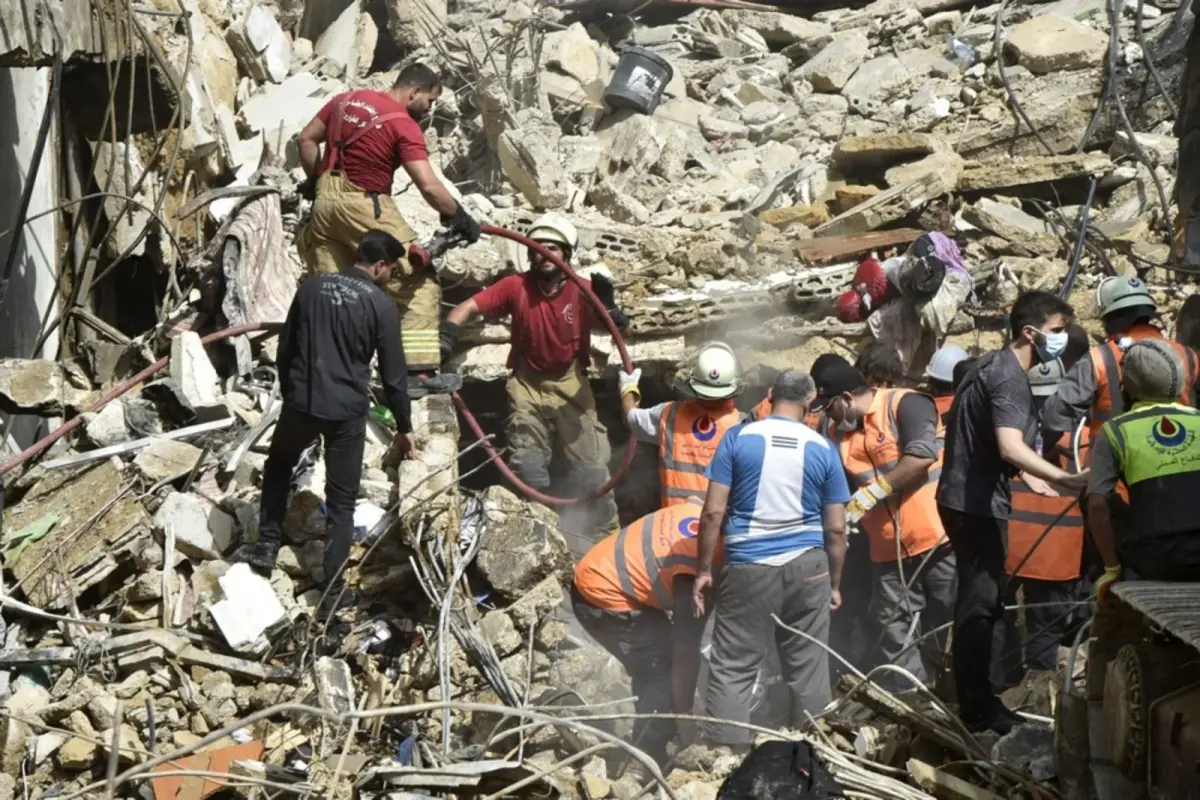

A recent study has revealed that more than 400 indirect deaths are linked to the devastating wildfires that swept through Los Angeles. Researchers attribute these fatalities to factors such as deteriorating air quality and the strain placed on local healthcare resources. The findings shed light on the broader, often overlooked, impact of wildfires beyond the immediate destruction they cause.
The study, conducted by a team of environmental and public health experts, highlights the significant health repercussions of wildfire smoke, which can exacerbate respiratory and cardiovascular conditions. This research underscores the urgent need for improved emergency preparedness and public health strategies to mitigate the effects of such natural disasters.
Unfolding of Events: When and Where
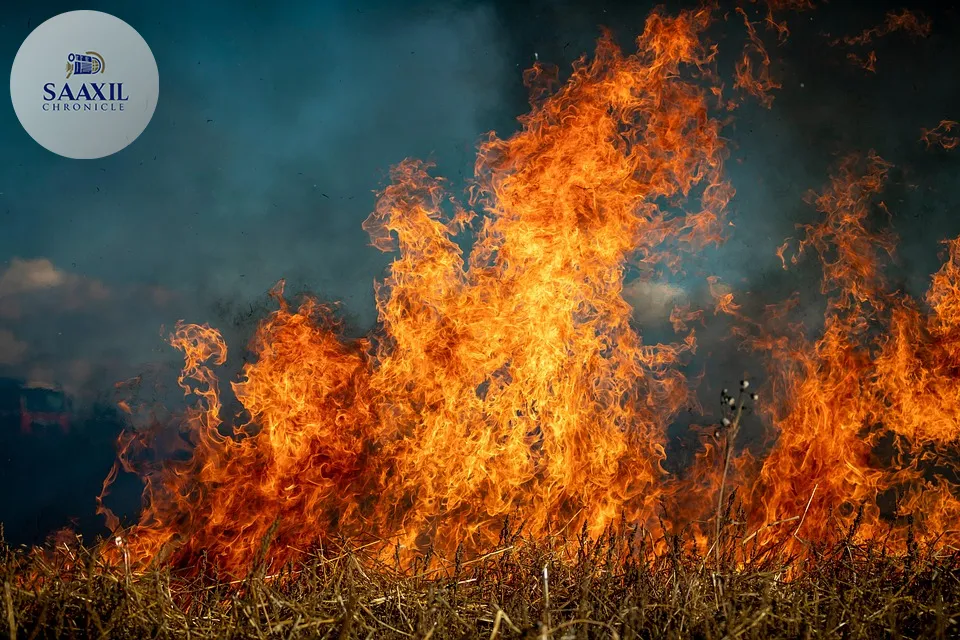
The wildfires that ravaged Los Angeles occurred over the summer months, peaking between June and August. These fires, fuelled by extreme heat and dry conditions, spread rapidly across vast areas, leading to the evacuation of thousands of residents. The intense blazes not only destroyed homes and infrastructure but also filled the air with hazardous smoke, affecting air quality across the region.
Authorities faced immense challenges in controlling the fires due to the persistent drought conditions and high winds. The combination of these factors created a perfect storm, making firefighting efforts more difficult and prolonging the duration of the fires.
Air Quality and Health: A Deadly Combination
The study’s authors emphasised the critical role of air quality in the indirect death toll. Wildfire smoke contains fine particulate matter, which poses serious health risks, especially for vulnerable populations such as the elderly, children, and those with pre-existing health conditions. Dr John Kepler, a leading environmental scientist, stated, “The smoke from these fires is not just an environmental issue; it’s a major public health concern.”
Data from air quality monitoring stations indicated that pollution levels exceeded safe limits for extended periods during the wildfires. This prolonged exposure to poor air quality likely contributed to the increase in respiratory and cardiovascular-related deaths, as well as exacerbating existing health issues.
Pressure on Healthcare Systems
The wildfires also placed an unprecedented strain on local healthcare systems. Hospitals and emergency services were inundated with patients experiencing respiratory distress and other health complications related to the smoke. Dr Maria Torres, a public health expert involved in the study, noted, “Our healthcare infrastructure was stretched to its limits, impacting the level of care available to those in need.”
The increased demand for medical services during the wildfires highlighted the need for robust emergency planning and resource allocation. The study suggests that better coordination between environmental agencies and healthcare providers could improve response efforts in future disasters.
Economic and Social Impact
Beyond the immediate health effects, the wildfires had significant economic and social repercussions. The destruction of property and infrastructure led to substantial financial losses, while the displacement of residents disrupted communities and livelihoods. Recovery efforts are ongoing, with local authorities and aid organisations working to support affected individuals and rebuild damaged areas.
The study’s findings also call attention to the long-term mental health impacts on those who lived through the fires. The trauma of evacuation, loss, and uncertainty can have lasting effects, necessitating mental health support services as part of the recovery process.
Looking Ahead: Mitigation and Preparedness
In light of these findings, experts are advocating for enhanced fire prevention and mitigation strategies. This includes improving land management practices, investing in firefighting resources, and developing comprehensive public health plans to address the indirect impacts of wildfires. Policymakers are urged to consider these measures to protect communities and reduce the toll of future wildfires.
The study serves as a stark reminder of the broader consequences of climate change, which is expected to increase the frequency and intensity of such natural disasters. As Dr Kepler aptly put it, “We must act now to address these challenges and safeguard both our environment and public health.”
By understanding the full scope of wildfires’ impact, communities can better prepare and respond, potentially saving lives and minimising damage in future events. The findings from this study underscore the interconnectedness of environmental and public health issues, highlighting the need for a coordinated approach to tackling these complex challenges.