

A recent seismic event has resulted in significant damage to a Russian nuclear submarine base, according to satellite images analysed by the New York Times. The images, captured by Planet Labs, reveal the extent of the destruction at the Rybachiy base on the Kamchatka Peninsula, following an 8.8-magnitude earthquake that struck the region last week. This incident marks one of the most powerful earthquakes to impact the area in recent decades, raising concerns about the structural integrity of military facilities and the potential risks involved.
The Kamchatka Peninsula, located in Russia’s far east, is a region known for its seismic activity. The earthquake, which occurred last week, has been confirmed as a substantial geological event, causing widespread alarm and prompting a detailed investigation into the damage inflicted on military infrastructure. The Rybachiy submarine base, a critical asset for the Russian navy, has been identified as one of the key sites affected by this natural disaster.
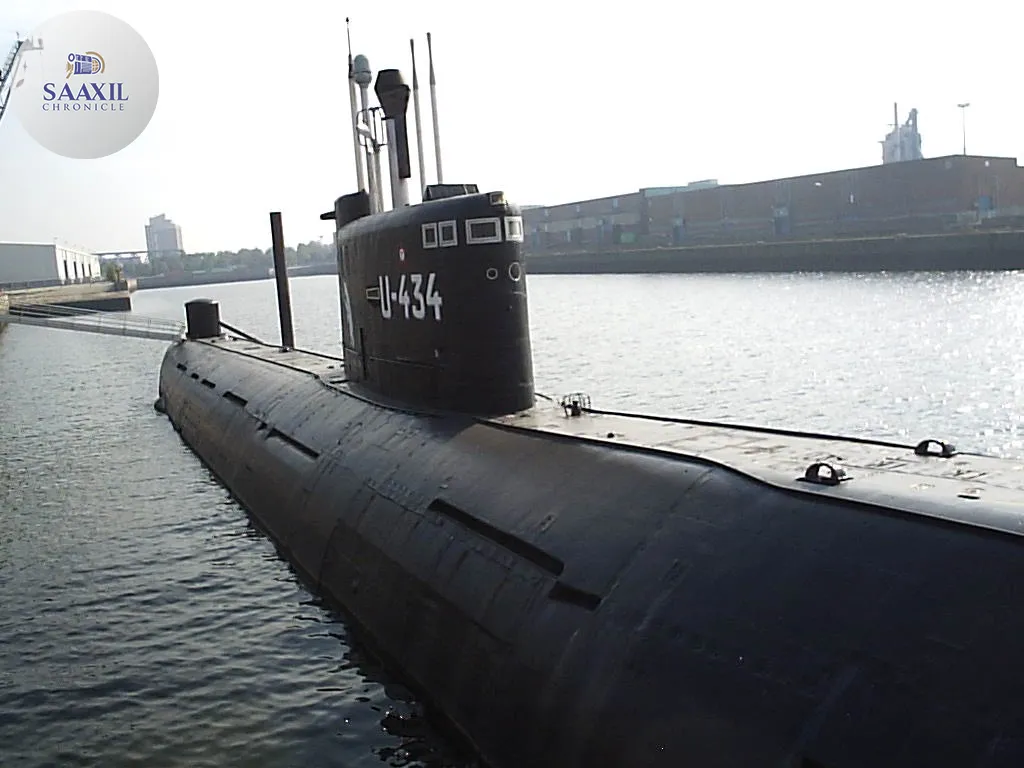
Seismic Impact on Military Infrastructure
The earthquake’s epicentre was located offshore, but its tremors were powerful enough to cause noticeable damage to the Rybachiy base, a strategic location for Russia’s naval operations. Satellite images provided by Planet Labs show visible damage to a floating pier, a crucial component of the base’s docking facilities. This pier is essential for the maintenance and deployment of nuclear submarines, making its impairment a significant concern for Russian defence capabilities.
The Russian military has yet to release an official statement regarding the extent of the damage or the potential impact on submarine operations. However, experts suggest that the damage to the pier could hinder the base’s operational efficiency, potentially delaying submarine deployments and maintenance activities. The incident underscores the vulnerability of military installations to natural disasters, particularly in regions prone to seismic activity.
Historical Context and Regional Seismic Activity
The Kamchatka Peninsula is part of the Pacific Ring of Fire, a region known for its frequent earthquakes and volcanic eruptions. The area has experienced several significant seismic events over the years, but the recent earthquake is among the most powerful recorded in recent history. This has prompted renewed attention to the region’s geological stability and the preparedness of infrastructure to withstand such events.
Historically, the Russian government has invested in reinforcing military and civilian structures against seismic threats. However, the extent of the recent damage suggests that further improvements may be necessary to enhance the resilience of critical infrastructure. The incident also raises questions about the adequacy of current safety protocols and emergency response measures in the face of natural disasters.
Expert Insights on Potential Risks and Responses
Geologists and military analysts have weighed in on the potential risks associated with the damage to the Rybachiy base. Dr. Elena Petrov, a seismologist at the Russian Academy of Sciences, emphasised the importance of regular structural assessments and upgrades to ensure the safety of military facilities in seismically active regions. “This earthquake serves as a reminder of the unpredictable nature of our environment and the need for continuous vigilance and preparedness,” she stated.
Military experts have also highlighted the strategic implications of the damage. The Rybachiy base plays a crucial role in Russia’s naval capabilities, particularly in the Pacific region. Any disruption to its operations could have broader implications for national security and regional stability. Analysts suggest that the Russian government may need to prioritise repairs and enhancements to the base to restore its full operational capacity.
International Reactions and Future Implications
The international community has monitored the situation closely, given the potential implications of damage to a nuclear submarine base. While there is no immediate indication of a nuclear threat, the incident has sparked discussions about the broader risks associated with military facilities in seismically active regions. Countries with similar installations may need to reassess their own preparedness and risk mitigation strategies in light of recent events.
Moving forward, the Russian government is expected to conduct a thorough investigation into the earthquake’s impact and implement necessary measures to prevent future incidents. This may include reinforcing existing structures, enhancing early warning systems, and improving emergency response protocols. The situation also highlights the importance of international cooperation and information sharing in addressing the challenges posed by natural disasters.
In summary, the damage to the Rybachiy submarine base serves as a stark reminder of the unpredictable nature of seismic activity and its potential impact on critical infrastructure. As Russia assesses the full extent of the damage and considers its next steps, the incident underscores the need for vigilance, preparedness, and proactive measures to safeguard against future threats.