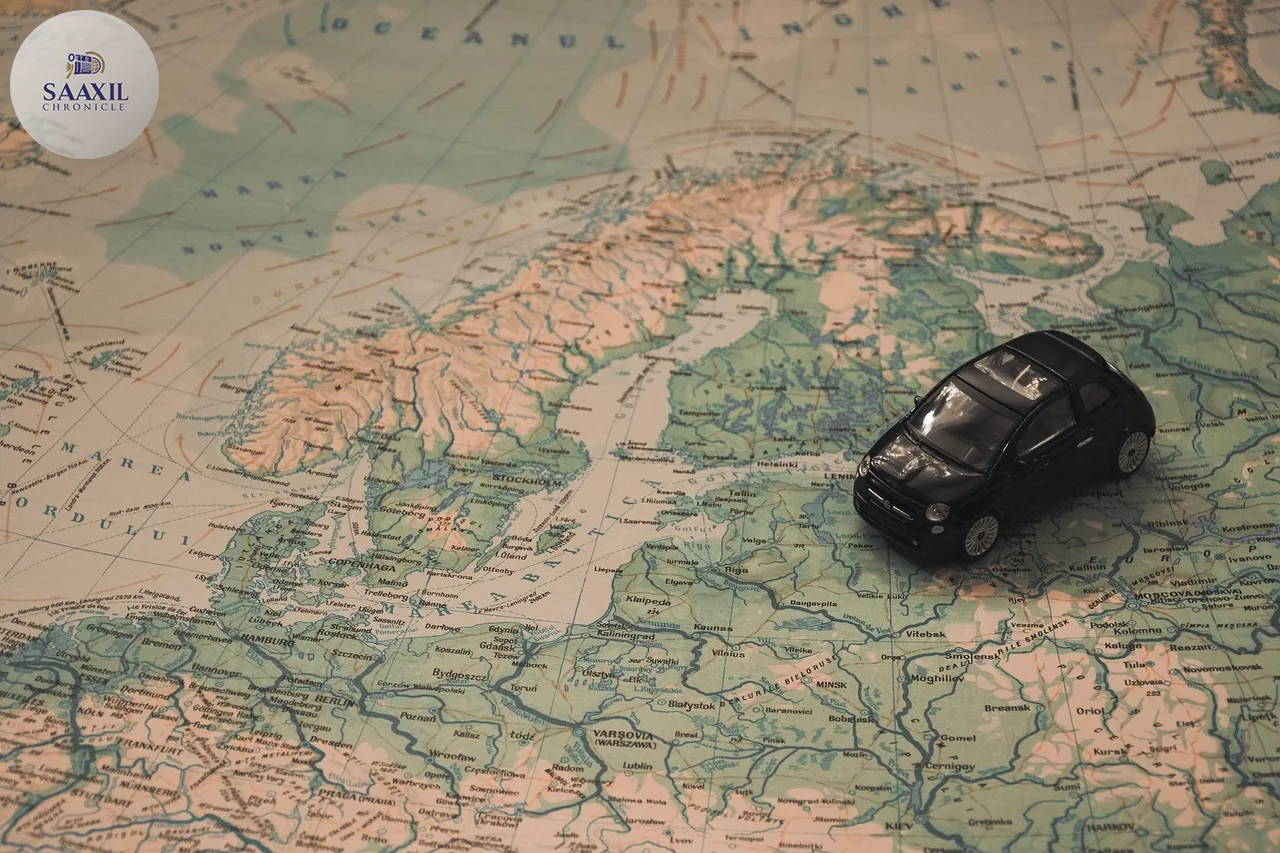

Russia has reaffirmed its commitment to achieving its objectives in Ukraine, despite recent threats from former US President Donald Trump to impose stricter sanctions. Kremlin spokesperson Dmitry Peskov emphasised on Sunday that Russia’s demands, including Ukraine’s withdrawal from annexed regions and the abandonment of its NATO aspirations, remain unchanged. This declaration comes as Ukrainian officials express interest in resuming peace talks, while Russian state media suggests Istanbul may host future negotiations.
The Timing and Place of Recent Developments
These developments unfold during a tense period in the ongoing conflict between Russia and Ukraine. The situation remains volatile, with drone attacks and military engagements continuing across various regions. The call for renewed peace talks by Ukrainian President Volodymyr Zelenskyy on Saturday reflects a desire to de-escalate tensions, yet Russia’s firm stance indicates that significant diplomatic hurdles remain.
Russia’s Unyielding Stance on War Demands
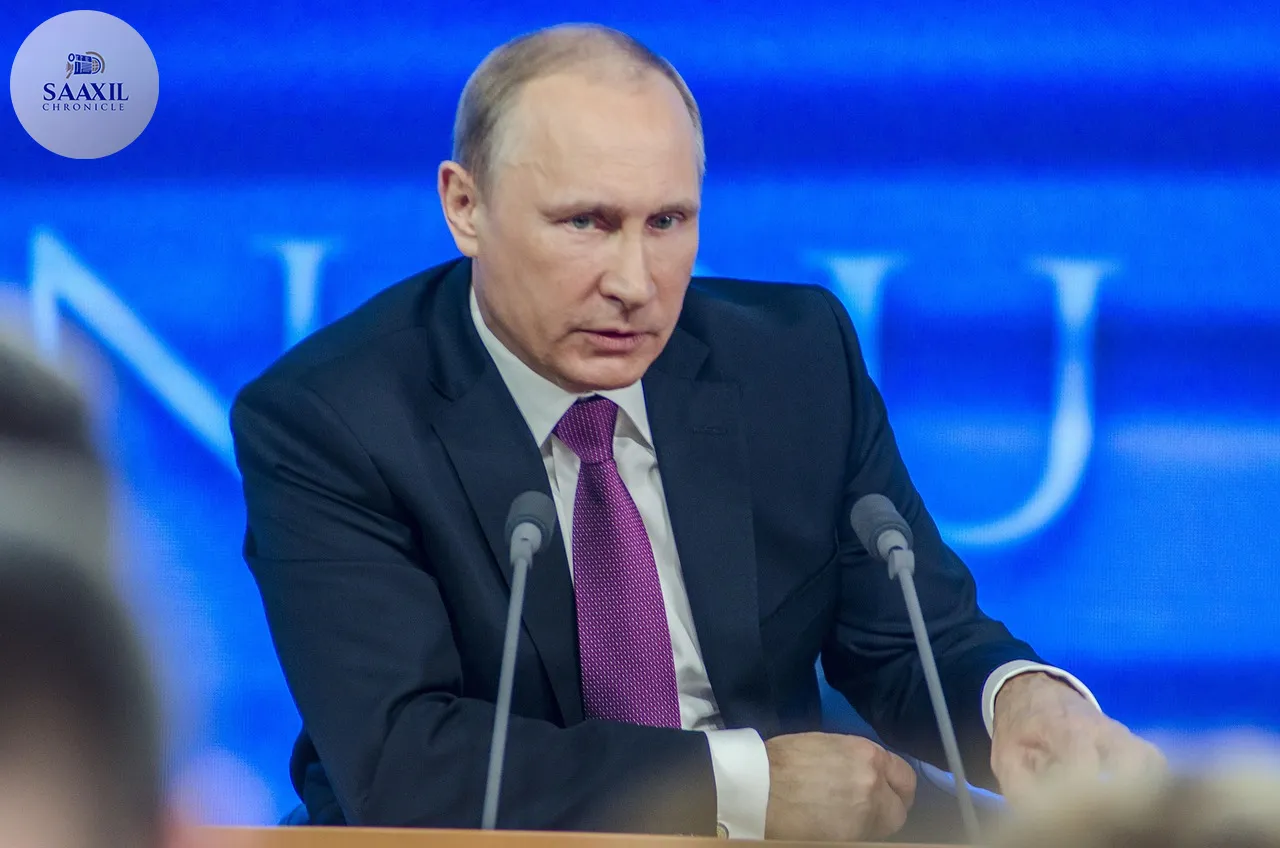
Kremlin spokesperson Dmitry Peskov reiterated Russia’s position on state television, stating, “The main thing for us is to achieve our goals. Our goals are clear.” This statement underscores Russia’s insistence on Ukraine recognising the annexed territories as part of Russia and renouncing its aspirations to join NATO. These conditions have been consistently rejected by Kyiv and its Western allies, who view them as unacceptable.
The insistence on these demands comes amid a backdrop of ongoing military engagements. Recently, drone attacks in Ukraine’s Zaporizhzhia and Kharkiv regions injured several civilians, highlighting the persistent threat of violence in the conflict zones.
Trump’s Sanction Threat and Its Implications
Former US President Donald Trump recently issued a 50-day ultimatum to Russia, warning of “severe tariffs” if a peace agreement is not reached. He also announced plans to enhance the supply of US weapons to Ukraine, expressing frustration over unsuccessful diplomatic efforts to end the war. Trump’s statements highlight the international dimension of the conflict and the pressure on Russia to negotiate.
The potential for increased sanctions could further strain Russia’s economy, particularly its vital oil and energy sectors. The European Union’s recent sanctions package, targeting Russian oil producers like Rosneft, is already impacting Russia’s economic landscape. Rosneft condemned the EU’s actions as unjustified, claiming they threaten India’s energy security, given their stake in the Nayara Energy refinery.
Drone Attacks Intensify Across Ukraine
The conflict’s intensity was evident over the weekend, with multiple drone attacks reported across Ukraine. In the Zaporizhzhia region, a drone strike injured two women, while in Kharkiv, a residential building was hit, injuring two more civilians. A separate attack in Sumy injured a woman and her young son and disrupted electricity for approximately 100 households.
Ukraine’s air force reported successfully shooting down 18 of 57 drones launched by Russia overnight. Meanwhile, Russia claimed to have intercepted 93 Ukrainian drones targeting Russian territory, including several aimed at Moscow. The continued use of drones underscores the evolving nature of warfare in the region and the challenges in achieving a ceasefire.
The Path Forward for Ukraine and Russia
As both sides grapple with ongoing hostilities, the prospect of peace remains uncertain. Ukraine’s call for renewed peace talks suggests a willingness to explore diplomatic solutions, yet Russia’s adherence to its demands poses a significant obstacle. The international community, including the United States and the European Union, continues to play a critical role in shaping the conflict’s trajectory through sanctions and diplomatic pressure.
The conflict’s resolution will likely require compromises from both sides, as well as sustained international engagement. As the situation evolves, the potential for further escalation remains a concern, particularly with the looming threat of additional sanctions and military support for Ukraine.
Looking Ahead: The Impact of Ongoing Tensions
The ongoing conflict between Russia and Ukraine continues to have far-reaching implications, both regionally and globally. The persistent violence and diplomatic stalemates highlight the complexity of achieving a lasting peace. As tensions remain high, the risk of further escalation looms, particularly with the involvement of major global powers.
For Ukraine and its allies, the challenge lies in navigating these tensions while maintaining their territorial integrity and security. Meanwhile, Russia faces increasing international isolation and economic pressure, which could influence future negotiations. The path to peace will require careful diplomacy, strategic compromises, and a commitment to addressing the underlying causes of the conflict.