

Uma Thurman, renowned for her iconic role in Quentin Tarantino’s ‘Pulp Fiction’, recently shared her thoughts on the film’s unexpected impact. Speaking to The Times U.K., Thurman revealed that during the film’s production, she did not anticipate that it would become a cultural touchstone. Released in 1994, ‘Pulp Fiction’ has since become a seminal piece of cinema, inspiring countless references and parodies over the years. Despite its modest budget, the film’s influence on both audiences and the film industry has been profound.
A Cultural Phenomenon Unforeseen
In the interview, Thurman candidly admitted that she was unaware of the film’s potential for success while working on it. At the time, the idea that ‘Pulp Fiction’ would become a significant cultural phenomenon seemed distant. “We were just making a movie,” she remarked, reflecting on the project that would ultimately redefine her career and the landscape of independent cinema.
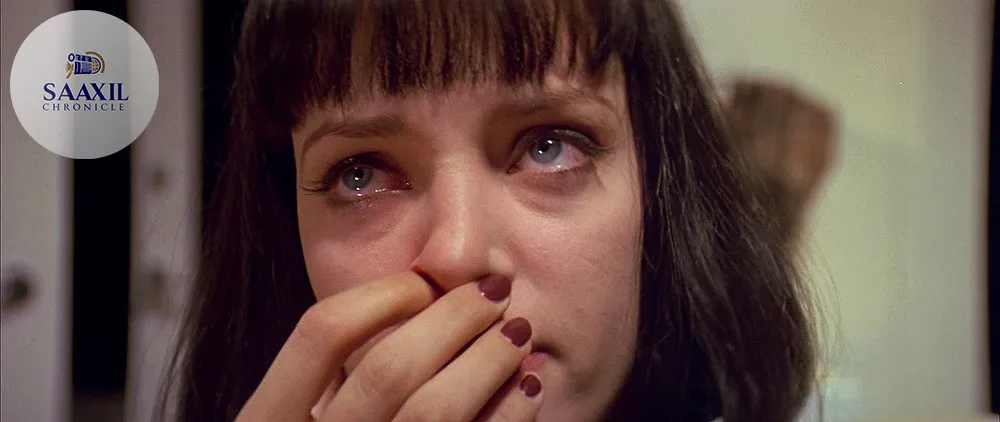
The film’s release marked a turning point in 1994, quickly gaining traction and acclaim. Its non-linear storytelling, rich dialogue, and memorable characters resonated with audiences worldwide. This unexpected success not only propelled Thurman to stardom but also cemented Tarantino’s reputation as a visionary filmmaker.
The Making of a Masterpiece
Filmed on a relatively small budget, ‘Pulp Fiction’ defied industry norms. The film’s unique style and structure set it apart from mainstream Hollywood productions of the time. Tarantino’s script, filled with sharp dialogue and intricate plotlines, offered a fresh narrative approach that captivated viewers.
Thurman’s portrayal of Mia Wallace, a gangster’s wife with a penchant for adventure, became one of the film’s most iconic characters. Her performance, particularly in the famous dance scene with John Travolta, left an indelible mark on pop culture. Despite initial reservations about the film’s unconventional style, Thurman’s commitment to the role contributed significantly to its enduring legacy.
Legacy and Influence
Since its release, ‘Pulp Fiction’ has inspired a generation of filmmakers and audiences alike. Its innovative storytelling techniques and bold narrative choices have been studied and emulated in film schools around the world. The movie’s impact extends beyond the screen, influencing fashion, music, and art.
Critics and scholars often cite ‘Pulp Fiction’ as a pivotal moment in cinema history. Its success challenged the status quo, proving that independent films could achieve both critical acclaim and commercial success. This paved the way for future independent filmmakers, encouraging them to take creative risks.
Thurman’s Career Evolution
Following ‘Pulp Fiction’, Thurman continued to build an impressive career in Hollywood. Her diverse roles in films such as ‘Kill Bill’, ‘Gattaca’, and ‘The Producers’ showcased her versatility as an actress. Thurman’s ability to portray complex characters with depth and nuance has solidified her status as a leading figure in the industry.
Reflecting on her journey, Thurman acknowledges the pivotal role ‘Pulp Fiction’ played in shaping her career. “It opened doors I never imagined,” she stated, expressing gratitude for the opportunities that followed the film’s success. Despite the passage of time, her role as Mia Wallace remains one of her most celebrated performances.
Looking Ahead
As Thurman continues to explore new projects and opportunities, her influence on the film industry endures. Her recent work, including roles in films like ‘The Old Guard 2’, demonstrates her ongoing commitment to challenging and diverse storytelling.
While ‘Pulp Fiction’ remains a defining moment in her career, Thurman is determined to keep evolving as an artist. Her passion for storytelling and dedication to her craft ensure that she will remain a prominent figure in the entertainment world for years to come.
In reflecting on the legacy of ‘Pulp Fiction’, Thurman’s insights offer a poignant reminder of the unpredictable nature of film and its power to surprise and inspire. As audiences continue to celebrate the film’s contributions to cinema, Thurman’s role in its success stands as a testament to her talent and the enduring impact of collaborative creativity.