

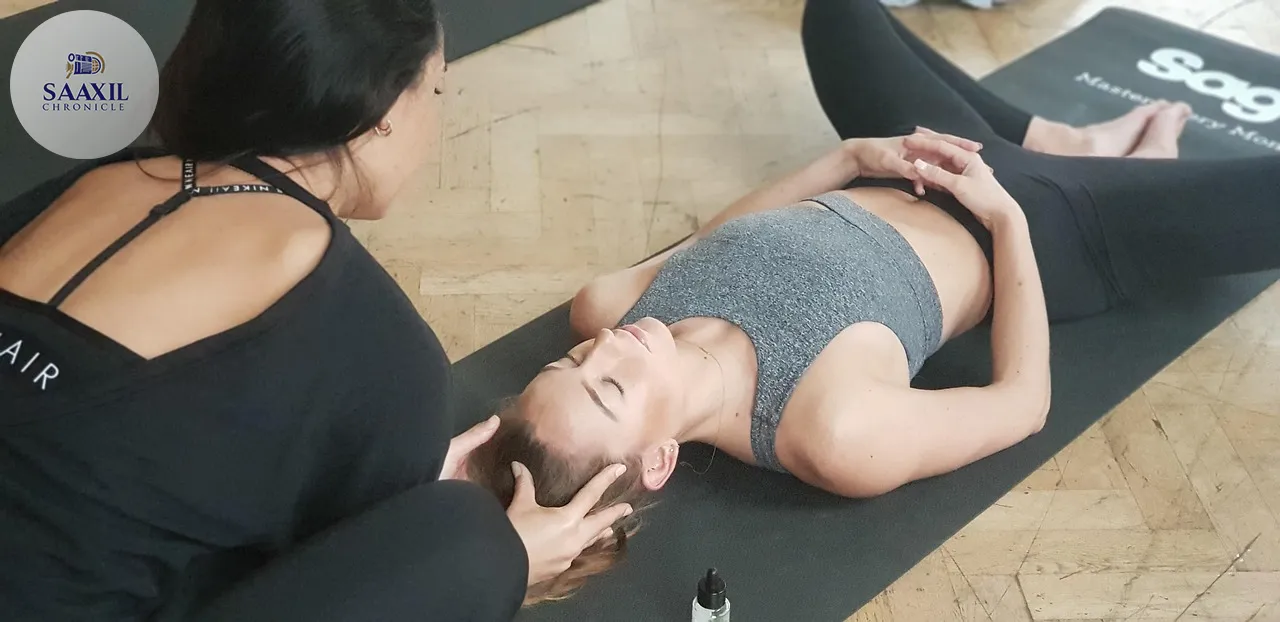
Yoga, Tai Chi, walking, and jogging have emerged as the leading forms of exercise to improve sleep quality and alleviate insomnia, according to a new analysis published in BMJ Evidence Based Medicine. This comparative study synthesises data from various research efforts, highlighting how these low-impact exercises can significantly enhance sleep patterns and offer a natural remedy for those struggling with sleep disorders.
The findings, published on 15 July 2025, mark an important development in non-pharmaceutical approaches to insomnia, a condition affecting millions globally. The study’s authors advocate for incorporating these exercises into daily routines as a viable solution to improve sleep quality.
Exercise and Sleep: A Natural Connection
The research underscores a growing body of evidence supporting the role of physical activity in promoting better sleep. Conducted by a team of experts in sleep medicine and physical activity, the study analysed data from multiple trials comparing different types of exercise and their effects on sleep quality.
Dr. Emily Collins, a lead researcher in the study, notes, “Our analysis shows that mind-body exercises like Yoga and Tai Chi, in particular, have profound benefits for sleep due to their calming effects on the nervous system. These activities not only help in falling asleep faster but also in maintaining longer periods of deep sleep.”
The study found that individuals who engaged in these exercises reported significantly fewer episodes of waking up during the night and experienced an overall improvement in sleep satisfaction.
Understanding the Study’s Methodology
The research utilised a pooled data analysis, combining results from various studies to draw more comprehensive conclusions. This method allowed researchers to compare the effects of different exercise regimens on a larger, more diverse population.
The analysis included participants from various age groups and backgrounds, providing a wide spectrum of insights into how exercise impacts sleep across demographics. Walking and jogging, often considered simple aerobic exercises, were also found to be effective in enhancing sleep quality, further broadening the options for those seeking non-medical interventions for insomnia.
Dr. Collins adds, “Walking and jogging are accessible to most people and can be easily integrated into daily life. These activities increase endorphin levels, reduce stress, and improve overall mood, which are all conducive to better sleep.”
The Role of Mind-Body Practices
Yoga and Tai Chi stand out in the study due to their dual focus on physical movement and mental relaxation. These practices incorporate breathing techniques and meditation, which help reduce anxiety—a major contributor to sleep disturbances.
Practitioners of Yoga and Tai Chi often report a heightened sense of calm and relaxation, which translates into improved sleep patterns. The study suggests that the consistent practice of these exercises can lead to long-term benefits for those suffering from chronic insomnia.
Professor Martin Clark, a sleep specialist not involved in the study, explains, “The integration of physical movement with mindfulness in practices like Yoga and Tai Chi creates a holistic approach to sleep improvement. This is particularly beneficial for individuals who experience sleep difficulties due to stress or anxiety.”
Implications for Insomnia Treatment
The implications of these findings are significant for the treatment of insomnia, a condition that affects approximately 30% of adults at some point in their lives. Traditional approaches often involve medication, which can come with side effects and dependency risks.
The study advocates for a shift towards incorporating exercise as a primary treatment option, especially given its numerous additional health benefits beyond sleep improvement. Regular physical activity is known to reduce the risk of chronic diseases, enhance mental health, and improve overall quality of life.
Healthcare providers are encouraged to consider recommending these exercises as part of a comprehensive treatment plan for insomnia. Tailoring exercise recommendations to individual preferences and capabilities can further enhance adherence and outcomes.
Looking Forward: The Future of Sleep Health
As the prevalence of sleep disorders continues to rise, the study’s findings offer promising alternatives to traditional treatments. By embracing exercise as a cornerstone of insomnia management, individuals can achieve better sleep without the reliance on medication.
Future research is expected to explore more in-depth mechanisms by which exercise impacts sleep, potentially leading to more targeted interventions. As awareness grows, public health initiatives may also begin to promote these activities more widely as part of national sleep health strategies.
In conclusion, the latest research underscores the power of physical activity in improving sleep quality and managing insomnia. With Yoga, Tai Chi, walking, and jogging leading the charge, individuals have a variety of accessible, effective options to enhance their sleep and overall well-being.