

Port Talbot’s steel industry is embarking on a transformative journey as construction commences on a state-of-the-art electric arc furnace. This significant shift from traditional blast furnaces to more sustainable technology is poised to revolutionise the steel production process at the site. However, this change comes with the sobering reality of job losses, as approximately 2,800 positions will be phased out. The move is part of a broader strategy to modernise and reduce the carbon footprint of the steelworks, aligning with global environmental targets.
The transformation officially began in July 2025, marking a pivotal moment for the Port Talbot community and the steel industry at large. Situated in South Wales, Port Talbot has been a cornerstone of British steel production for decades. This new development symbolises a shift towards more environmentally friendly practices, reflecting a global trend in industrial operations. The electric arc furnace, a technology that utilises electricity to melt scrap metal, is a cleaner alternative to traditional blast furnaces, which rely on coal.
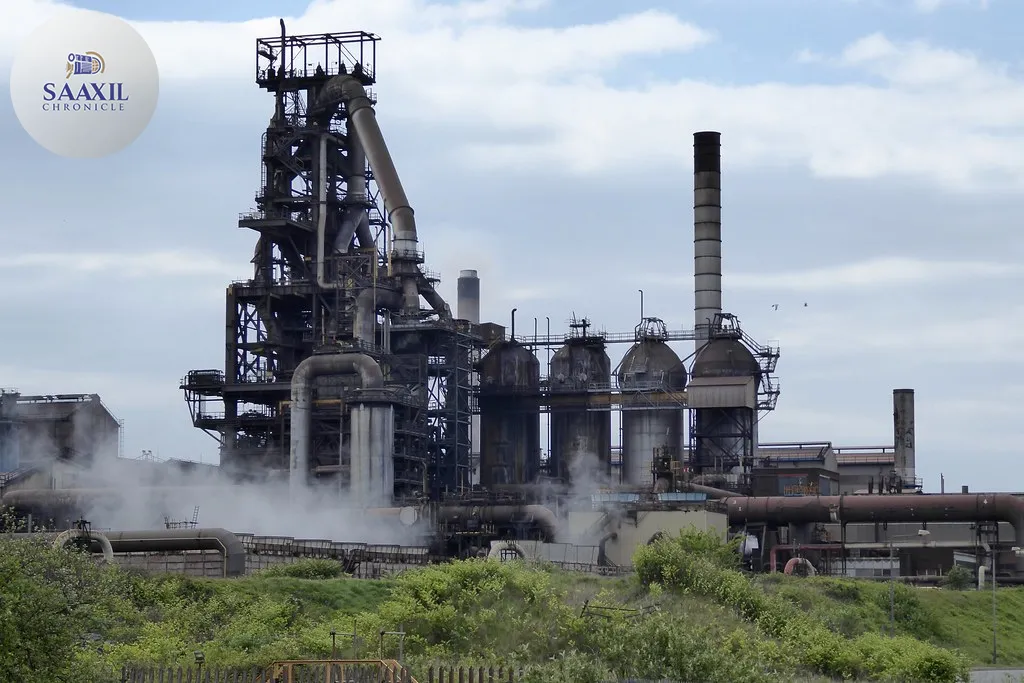
A Historic Transition for Port Talbot
The decision to replace Port Talbot’s two ageing blast furnaces with an electric arc furnace is not just a technological upgrade but a strategic move towards sustainability. Steel production is a significant contributor to greenhouse gas emissions, and the industry has faced increasing pressure to adopt greener methods. The electric arc furnace represents a step forward in reducing emissions and energy consumption.
Port Talbot’s journey towards this transition has been meticulously planned. The steelworks, owned by Tata Steel, announced the decision as part of its commitment to achieving net-zero carbon emissions by 2050. The new furnace is expected to cut carbon emissions by up to 50%, a crucial factor in meeting both national and international climate goals. Such a reduction is vital as the UK government continues to enforce stricter environmental regulations.
Economic Impacts and Job Losses
While the environmental benefits of the new furnace are clear, the economic implications are complex. The move will result in the loss of around 2,800 jobs, a significant blow to the local economy and community. The steelworks has been a major employer in Port Talbot, and the job cuts have sparked concern among workers and local officials alike.
Tata Steel has expressed its commitment to supporting affected employees through this transition. The company plans to offer retraining programmes and severance packages to help workers adjust to the changes. Local government officials are also exploring initiatives to attract new industries to the area, aiming to mitigate the economic impact of the job losses. The Welsh government has pledged support, recognising the need to balance environmental progress with economic stability.
Expert Insights on Steel Industry Evolution
Industry experts view the transition at Port Talbot as indicative of a broader trend within the steel sector. Dr. Sarah Evans, a leading researcher in industrial sustainability, notes that the shift to electric arc furnaces is gaining momentum globally. “The steel industry is at a crossroads,” she explains. “With mounting environmental pressures, companies must innovate to remain viable. The move to electric arc furnaces is a critical step in reducing carbon footprints and meeting international climate targets.”
The global steel market is also experiencing shifts in demand and supply dynamics. As countries implement stricter environmental policies, the demand for sustainably produced steel is expected to rise. Port Talbot’s transition positions it to meet this emerging market demand, potentially opening up new opportunities for growth and innovation within the industry.
Future Prospects and Community Resilience
As Port Talbot steelworks navigates this transition, the focus remains on balancing environmental goals with economic realities. The introduction of the electric arc furnace is a positive step towards sustainable steel production, aligning with global efforts to combat climate change. However, the community must also adapt to the inevitable economic changes.
Local leaders and stakeholders are optimistic about the future, emphasising the potential for new industries and opportunities to emerge. The transition presents a chance for Port Talbot to reinvent itself as a hub for green technology and innovation. Community resilience will be key in overcoming the challenges posed by job losses, and the region’s ability to adapt will determine its long-term success.
The transformation of Port Talbot steelworks marks a significant milestone in the steel industry’s journey towards sustainability. As the site embraces new technology, it exemplifies the balance between progress and preservation, setting a precedent for others to follow. The coming years will be crucial in determining the impact of this transition on both the local community and the broader steel market.