

Israel’s defence minister, Israel Katz, has announced a controversial plan to relocate all Palestinians from Gaza to a designated camp on the ruins of Rafah, sparking global outrage and condemnation. Katz’s proposal, which he refers to as a “humanitarian city”, has been criticised by legal experts and academics as a potential blueprint for crimes against humanity. The move has intensified international scrutiny on Israel’s policies in the region, raising questions about human rights and the treatment of Palestinian civilians.
Plan Unveiled During Rising Tensions
The announcement came at a time of escalating tensions in the Gaza Strip, a densely populated enclave that has been the epicentre of longstanding conflict between Israel and Palestinian factions. The proposed relocation plan was revealed on 7 July 2025, according to a report by Haaretz newspaper. It involves transforming the demolished city of Rafah into a camp intended to accommodate the entire population of Gaza, which numbers over two million people.
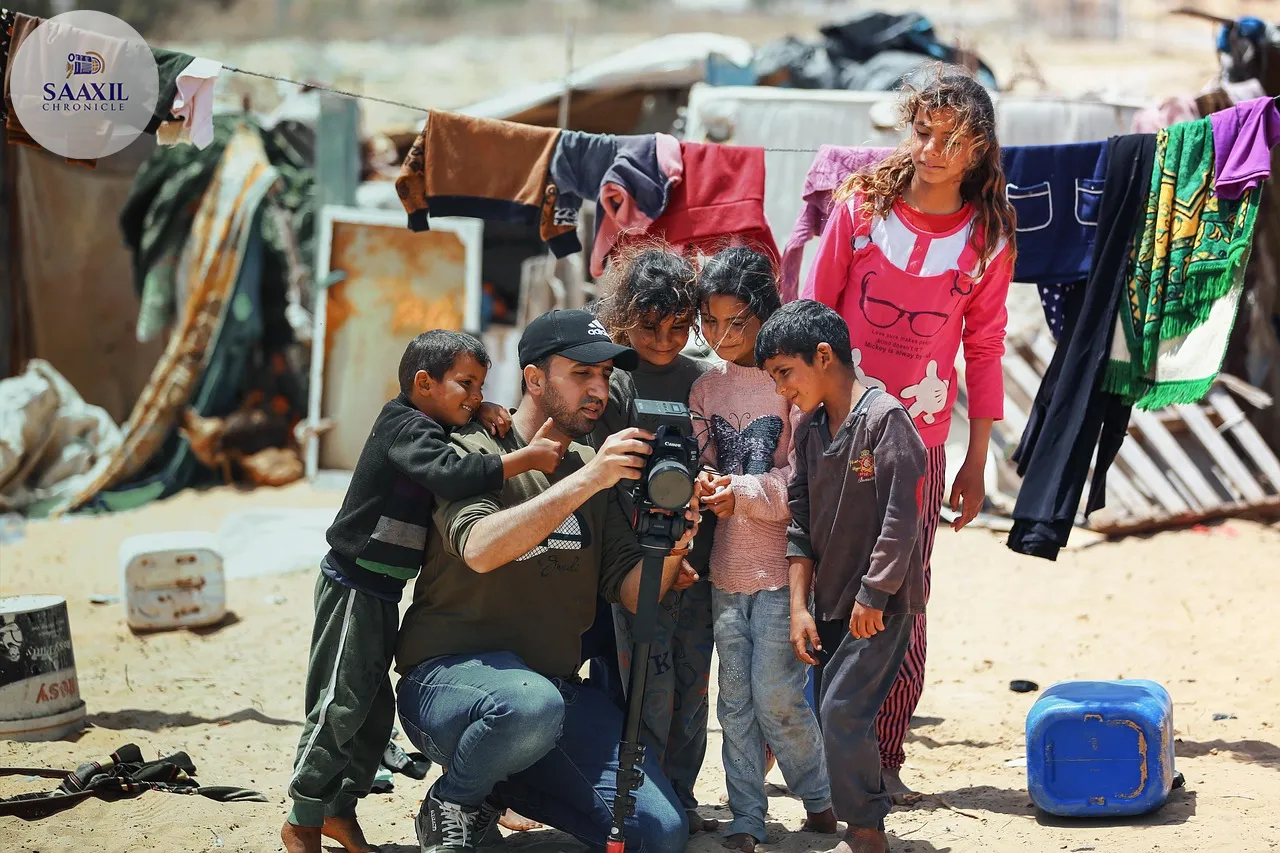
Katz’s plan is presented as a humanitarian initiative aimed at providing shelter and resources to displaced Palestinians. However, critics argue that the proposal lacks clarity on key issues such as the duration of the camp’s existence, the living conditions, and the rights of those relocated. The plan has been met with scepticism and concern from international bodies, human rights organisations, and Palestinian leaders.
Legal and Humanitarian Concerns
Legal scholars and human rights advocates have expressed grave concerns about the implications of Katz’s proposal. They argue that forcibly relocating an entire population could constitute a violation of international law, particularly the Geneva Conventions, which protect civilians in times of conflict. Dr. Sarah Ahmed, a prominent international law expert, stated, “This plan risks setting a dangerous precedent where humanitarian pretexts are used to justify mass displacement and confinement.”
Moreover, the characterisation of the camp as a “humanitarian city” has been criticised as misleading. Critics claim that the proposal resembles an internment camp rather than a genuine effort to provide humanitarian relief. Amnesty International has called for a thorough investigation into the legal and ethical ramifications of the proposed relocation, emphasising the need for transparency and accountability.
Historical Context and Implications
The Gaza Strip has a long history of conflict and humanitarian challenges. Since 2007, it has been under a blockade imposed by Israel and Egypt, severely restricting the movement of people and goods. The blockade, along with recurring military confrontations, has led to a dire humanitarian situation in the region, with limited access to essential services such as healthcare, clean water, and electricity.
The proposed relocation of Gaza’s population to Rafah raises significant questions about the future of Palestinian self-determination and the broader Israeli-Palestinian conflict. Many analysts believe that such a move could further entrench divisions and hinder prospects for a peaceful resolution. Professor David Levi, a Middle East policy expert, commented, “This plan could exacerbate existing tensions and undermine efforts towards a two-state solution.”
International Reaction and Calls for Action
The international community has reacted strongly to Katz’s announcement, with several countries and organisations urging Israel to reconsider the plan. The United Nations has called for an emergency session to discuss the potential human rights implications and explore alternative solutions. UN Secretary-General António Guterres stated, “We must prioritise the protection of civilians and seek peaceful resolutions that respect the rights and dignity of all individuals.”
Palestinian officials have condemned the proposal, describing it as an attempt to displace and disenfranchise their people. The Palestinian Authority has called on the international community to intervene and prevent the implementation of the plan, arguing that it could lead to further instability in the region.
Potential Outcomes and Future Developments
As the situation unfolds, the proposed relocation plan remains a contentious issue with far-reaching implications. The international community is closely monitoring developments, with many calling for a diplomatic approach to address the underlying causes of the conflict and ensure the protection of human rights.
Moving forward, the focus will likely be on diplomatic efforts to de-escalate tensions and find sustainable solutions that address the needs and rights of both Israelis and Palestinians. The outcome of this situation could significantly impact the broader geopolitical landscape and influence future peace negotiations in the Middle East.
In conclusion, Israel’s plan to relocate Gaza’s population has sparked widespread controversy and raised critical questions about human rights and international law. As global leaders and organisations weigh in on the issue, the need for dialogue and diplomacy becomes increasingly urgent to prevent further escalation and promote lasting peace in the region.