

Israeli Prime Minister Benjamin Netanyahu and former US President Donald Trump recently unveiled their optimistic vision for Middle Eastern peace, hoping a new truce between Israel and Hamas could herald a broader peace agreement. This announcement comes amidst ongoing tensions in Gaza, casting doubt on the feasibility of such aspirations. Both leaders have faced criticism for their approaches, as the realities on the ground in Gaza paint a complex picture that challenges their hopeful narrative.
The peace talks, held in Washington, D.C., sought to address the persistent conflict between Israel and Hamas. However, the situation in Gaza remains fraught with challenges, as violence and humanitarian issues continue to plague the region. Netanyahu and Trump’s plan hinges on achieving a sustainable ceasefire, yet the path to such an agreement is fraught with obstacles.
The Washington Peace Talks: A Step Towards Stability?
The recent peace talks in Washington aimed to establish a ceasefire between Israel and Hamas. These negotiations are critical, as both sides have engaged in a prolonged conflict that has resulted in significant casualties and destruction. The talks, however, ended without a breakthrough, highlighting the difficulties in achieving lasting peace.
Experts suggest that the historical animosities and deep-seated mistrust between the parties make these negotiations particularly challenging. “The peace process is never simple. It requires both sides to make significant concessions, which is often a stumbling block,” says Dr. Jonathan Fisher, a Middle Eastern politics expert. Netanyahu’s visit to Washington underscores the importance of international support in these efforts, yet the lack of immediate progress suggests that more work is needed.
Gaza’s Reality: An Obstacle to Peace
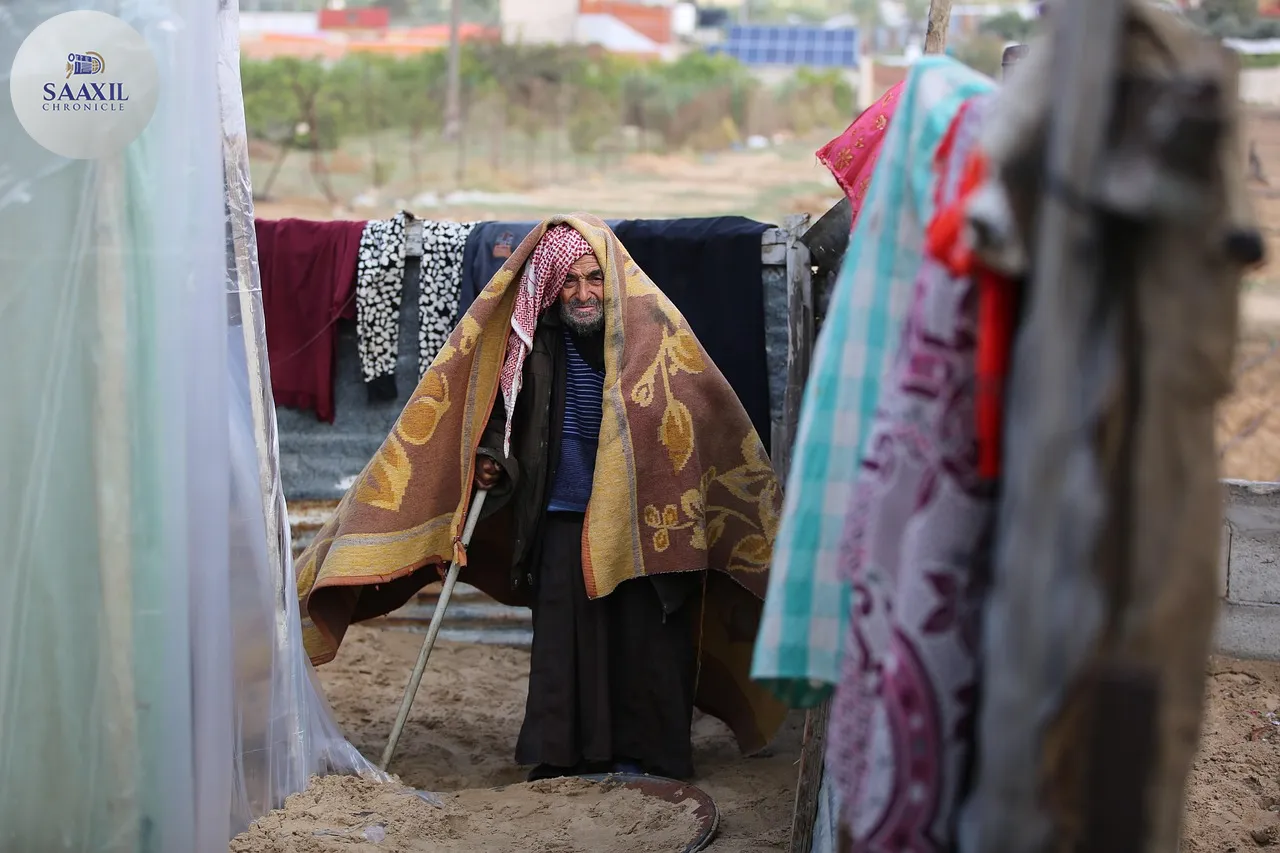
The humanitarian situation in Gaza remains dire, complicating efforts to achieve a truce. The region has been plagued by shortages of essential supplies, with many residents facing daily hardships. This environment of scarcity and uncertainty fuels resentment and hampers peace efforts.
Human rights organisations have repeatedly called for increased aid and support to alleviate the suffering of Gaza’s civilian population. The ongoing blockade and intermittent violence have exacerbated the crisis, making the prospect of a sustainable peace agreement even more daunting. Without addressing these underlying issues, any truce may prove to be temporary.
Netanyahu and Trump’s Diplomatic Strategy
Netanyahu and Trump’s strategy involves leveraging diplomatic channels to foster dialogue between Israel and Hamas. The former US President’s involvement is seen as an attempt to rekindle his previous efforts in the region. However, critics argue that their approach may not adequately address the root causes of the conflict.
“Diplomacy must be nuanced and inclusive, involving all stakeholders,” notes Professor Sarah Collins, a specialist in international relations. “While high-profile talks are important, they must be accompanied by grassroots efforts to build trust and understanding.” The leaders’ focus on a top-down approach may face challenges if it fails to engage with the broader needs and aspirations of the affected communities.
The Role of International Support
International support remains crucial in the quest for peace in Gaza. The involvement of global powers can help mediate discussions and provide the necessary resources to support rebuilding efforts. However, achieving consensus among international players is often complicated by differing political interests and alliances.
The United Nations and other international bodies have called for a renewed commitment to peace, urging all parties to prioritise dialogue over conflict. “International cooperation is essential for a lasting solution,” emphasises UN Secretary-General António Guterres. The need for a coordinated response highlights the complexity of the situation and the importance of sustained diplomatic engagement.
Future Prospects: Challenges and Opportunities
The future of peace in Gaza remains uncertain, with numerous challenges ahead. While the recent talks represent a step towards dialogue, the absence of a breakthrough underscores the difficulties involved. The path to peace requires addressing both immediate concerns and long-standing grievances, a task that demands patience and perseverance.
Looking forward, there is a need for innovative approaches that involve all stakeholders in the peace process. Building trust and fostering understanding between communities can pave the way for a more stable and prosperous region. As Netanyahu and Trump continue their efforts, the international community’s role in supporting these initiatives will be pivotal.
In conclusion, the vision of peace articulated by Netanyahu and Trump faces significant hurdles, with the realities in Gaza presenting formidable challenges. The ongoing efforts to broker a ceasefire are a crucial step, but sustainable peace will require a comprehensive approach that addresses the root causes of conflict. As the world watches, the potential for lasting peace hinges on the ability of all parties to engage in meaningful dialogue and cooperation.