

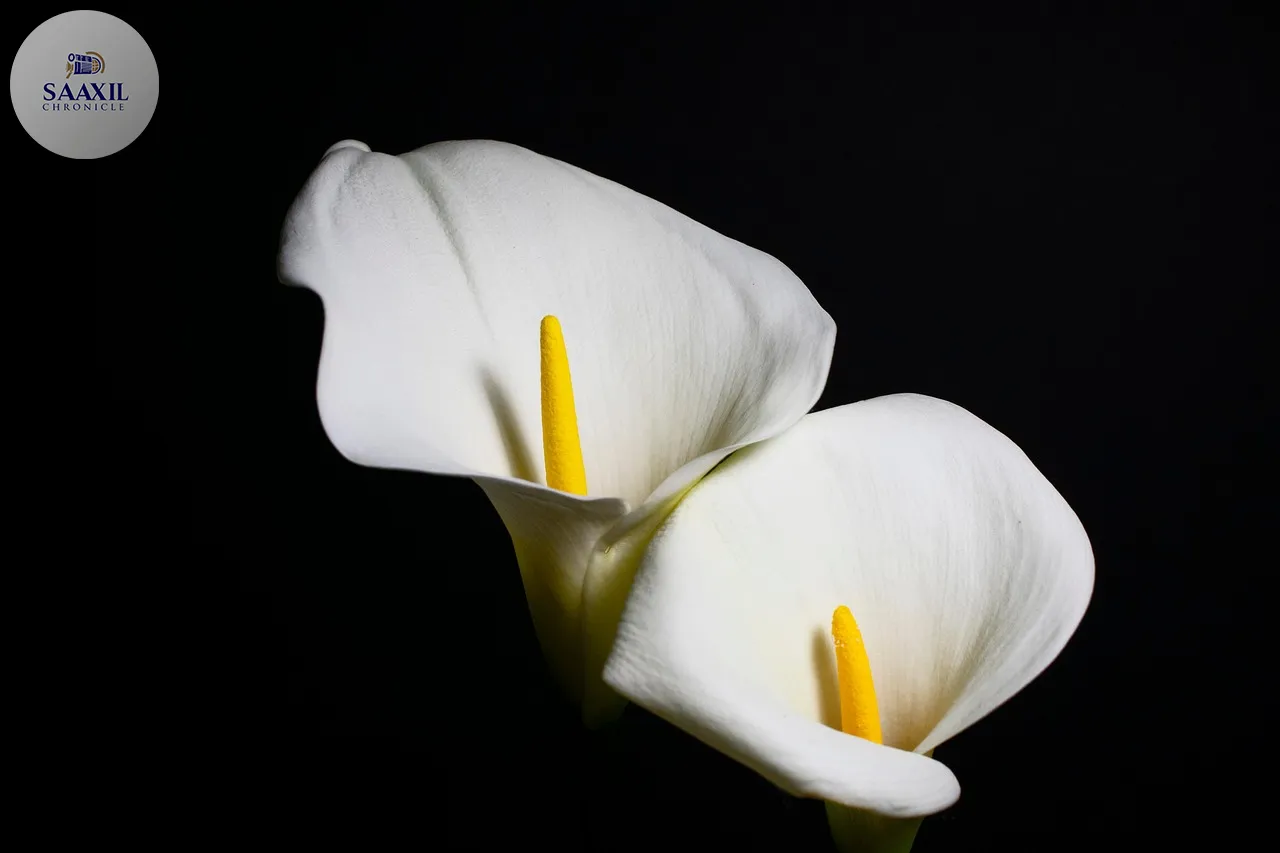
Houseplant enthusiasts often cherish the peace lily for its elegant white blooms and air-purifying qualities. However, experts warn that placing this beloved plant in the wrong location can hinder its ability to produce flowers. Understanding the optimal environment for a peace lily is crucial to ensure it thrives in any home.
The Ideal Environment for Peace Lilies
Peace lilies, scientifically known as Spathiphyllum, are native to tropical regions of the Americas and Southeast Asia. They thrive in warm, humid conditions with indirect sunlight. According to horticulturists, placing a peace lily in direct sunlight can cause its leaves to scorch and prevent the plant from flowering. “Peace lilies prefer bright, indirect light,” says Jane Smith, a botanist with the Royal Horticultural Society. “Too much direct sunlight can be detrimental, leading to leaf burn and reduced blooming.”
These plants are also sensitive to temperature fluctuations. Ideally, they should be kept in a room where temperatures range between 18°C to 26°C. Exposure to drafts or sudden temperature changes can stress the plant, further inhibiting its flowering potential.
Common Mistakes in Peace Lily Care
One of the most common mistakes plant owners make is placing peace lilies near windows that receive direct sunlight for extended periods. While it might seem intuitive to place a plant near a window for light, the intense rays can be harmful. “A north or east-facing window is generally ideal for peace lilies,” advises Smith. “If you notice the leaves turning yellow or brown, it might be a sign that the plant is receiving too much sun.”
Another frequent error is overwatering. Peace lilies prefer their soil to be kept moist but not soggy. Overwatering can lead to root rot, a condition that severely affects the plant’s health. Experts recommend allowing the top inch of soil to dry out before watering again, ensuring proper drainage to avoid waterlogging.
The Impact of Incorrect Placement
Incorrect placement of a peace lily not only affects its ability to bloom but can also lead to other health issues. Plants placed in environments that are too dark might survive but will rarely flower. “Without adequate light, peace lilies will struggle to photosynthesize effectively, impacting their overall growth,” explains Dr. Michael Green, a plant physiologist.
Moreover, peace lilies placed near air conditioning vents or heaters can suffer from dry air, which is not conducive to their growth. These plants thrive in humid environments, so maintaining adequate humidity levels is essential. Using a humidity tray or a room humidifier can help create a more suitable environment for these tropical plants.
Expert Tips for Thriving Peace Lilies
To keep your peace lily healthy and blooming, experts suggest several practical tips. First, ensure the plant is placed in a well-lit area away from direct sunlight. A location with filtered light, such as behind a sheer curtain, can provide the ideal lighting conditions.
Secondly, maintaining consistent watering practices is crucial. Use room-temperature water and ensure the plant is not sitting in excess water. “Peace lilies are quite forgiving, but they don’t like their roots to be wet all the time,” notes Smith. Additionally, feeding the plant with a balanced, water-soluble fertiliser every six to eight weeks during the growing season can encourage blooming.
Lastly, regular cleaning of the leaves with a damp cloth can help the plant absorb light more effectively and reduce the risk of pests. Keeping the leaves dust-free ensures that the plant can photosynthesize efficiently, promoting overall health and flowering.
Looking Ahead: The Future of Indoor Gardening
As indoor gardening continues to gain popularity, understanding the specific needs of houseplants becomes increasingly important. With more people turning to houseplants for their aesthetic and health benefits, knowledge about proper placement and care is vital.
The popularity of peace lilies is likely to endure, given their beauty and ability to purify indoor air. By avoiding common mistakes and following expert advice, plant owners can enjoy the full benefits of these elegant plants. As Smith aptly puts it, “A little knowledge goes a long way in ensuring your peace lily not only survives but thrives.”
In the coming years, advancements in horticultural research and technology may offer even more insights into optimising the care of houseplants. For now, keeping peace lilies in the right location remains a simple yet effective way to ensure their blooms grace your home with their presence.