
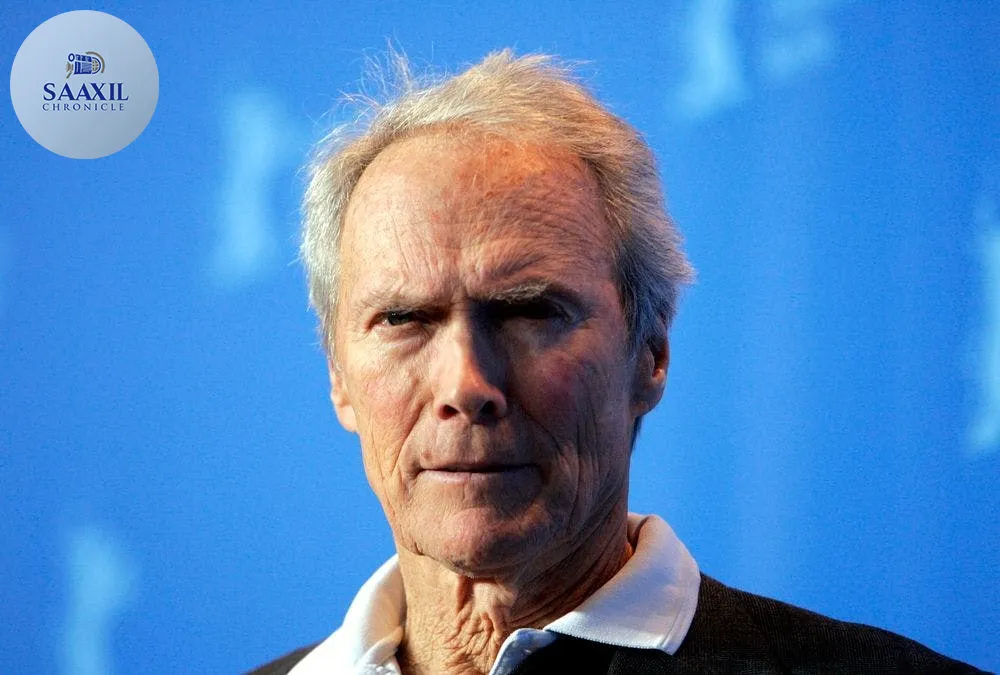
Clint Eastwood, the iconic actor and filmmaker, has publicly refuted claims of giving an interview to the Austrian newspaper Kurier. The interview, which gained traction last week, contained statements purportedly from Eastwood, discussing various topics ranging from his career to personal insights. However, the 95-year-old Hollywood legend has labelled the interview as “entirely phony,” sparking discussions on media integrity and the challenges of misinformation.
Eastwood’s representatives swiftly acted to clarify the situation, emphasising that the actor had not engaged with the newspaper in any capacity. This incident underscores the ongoing issues of fake news and the importance of verifying sources in journalism. As Eastwood remains a prominent figure in the film industry, the false interview highlights the challenges celebrities face in managing their public image amidst the digital age.
The Incident: When and Where
The controversy began when Kurier, an Austrian daily, published the alleged interview last week. The piece quickly circulated online, capturing the attention of fans and media outlets worldwide. Kurier’s article featured what it claimed were Eastwood’s reflections on his illustrious career, including anecdotes and personal philosophies that resonated with his public persona.
However, Eastwood’s denial came promptly, with a statement released through his publicist. The actor, known for his roles in classics such as “Dirty Harry” and “The Good, the Bad and the Ugly,” asserted that he had never spoken to Kurier. This revelation brings into question the authenticity of other interviews and content published by the newspaper and highlights the critical need for rigorous journalistic practices.
Media’s Responsibility in the Age of Information
In an era where information spreads at an unprecedented speed, the responsibility of media outlets to ensure accuracy has never been more crucial. The Kurier incident serves as a stark reminder of the potential consequences of failing to verify sources. Media experts argue that the rise of digital platforms has made it easier for misinformation to proliferate, posing significant challenges to traditional journalism.
David Green, a media ethics professor at the University of London, commented on the situation: “The onus is on news organisations to uphold the highest standards of accuracy. Fabrications not only damage the credibility of the outlet but also erode public trust in media as a whole.” The incident with Eastwood is a case in point, illustrating how quickly misinformation can spread and the difficulty of rectifying it once it does.
Clint Eastwood: A Legacy at Stake
Eastwood’s legacy as a filmmaker and actor is well-established, with a career spanning over six decades. Known for his distinctive style and memorable performances, he has garnered a reputation for being both a critical and commercial success. However, incidents like the Kurier interview pose a threat to his carefully cultivated public image.
The fabricated interview included quotes that were inconsistent with Eastwood’s known viewpoints, leading to confusion among his fanbase. “It’s disheartening to see such fabrications,” said a close associate of Eastwood. “Clint has always been very private and selective about his public appearances and statements. This incident compromises his integrity, which is why it was imperative to address it immediately.”
The Broader Impact: Misinformation in the Digital Age
The Eastwood-Kurier debacle is not an isolated incident. The digital age has seen a surge in misinformation, with social media platforms often serving as breeding grounds for unverified content. This phenomenon poses a significant challenge for public figures who must navigate the complexities of maintaining their reputations amidst false narratives.
Experts suggest that the solution lies in both media literacy and technological intervention. “Educating the public on how to discern credible sources is vital,” says Sarah Thompson, a digital communications strategist. “Moreover, platforms need to employ advanced algorithms to flag and prevent the spread of false information.” As the world becomes increasingly connected, the need for reliable information becomes ever more critical.
In summary, Clint Eastwood’s refutation of the Kurier interview underscores the ongoing battle against misinformation in today’s media landscape. The incident serves as a cautionary tale for both media outlets and consumers, highlighting the importance of verifying sources and maintaining journalistic integrity. As the digital age continues to evolve, the quest for truth and accuracy remains paramount in preserving the trust and credibility of the media.