

House cladding has surged as a preferred option for UK homeowners, driven by the desire to enhance property aesthetics, improve insulation, and protect exterior walls. As we move through 2025, understanding the costs associated with cladding is crucial for anyone considering installation or replacement. With a myriad of factors influencing the price, including material type and project size, homeowners must navigate this landscape with care to make informed decisions.
Cladding Costs: Key Factors and Considerations
House cladding costs in 2025 vary significantly depending on several factors. The choice of material is one of the most significant determinants. Popular options include timber, vinyl, metal, and fibre cement, each offering distinct advantages and price points. Timber cladding, known for its aesthetic appeal, can cost between £40 and £80 per square metre, while vinyl, a more budget-friendly option, ranges from £20 to £50 per square metre.
The size of the project also plays a crucial role in determining costs. Larger homes require more materials and labour, leading to higher expenses. Additionally, the complexity of the installation process can impact the overall cost. A straightforward installation on a flat surface will typically cost less than a project involving intricate architectural details or difficult-to-access areas. Homeowners should seek detailed quotes from multiple contractors to ensure they receive competitive pricing tailored to their specific needs.
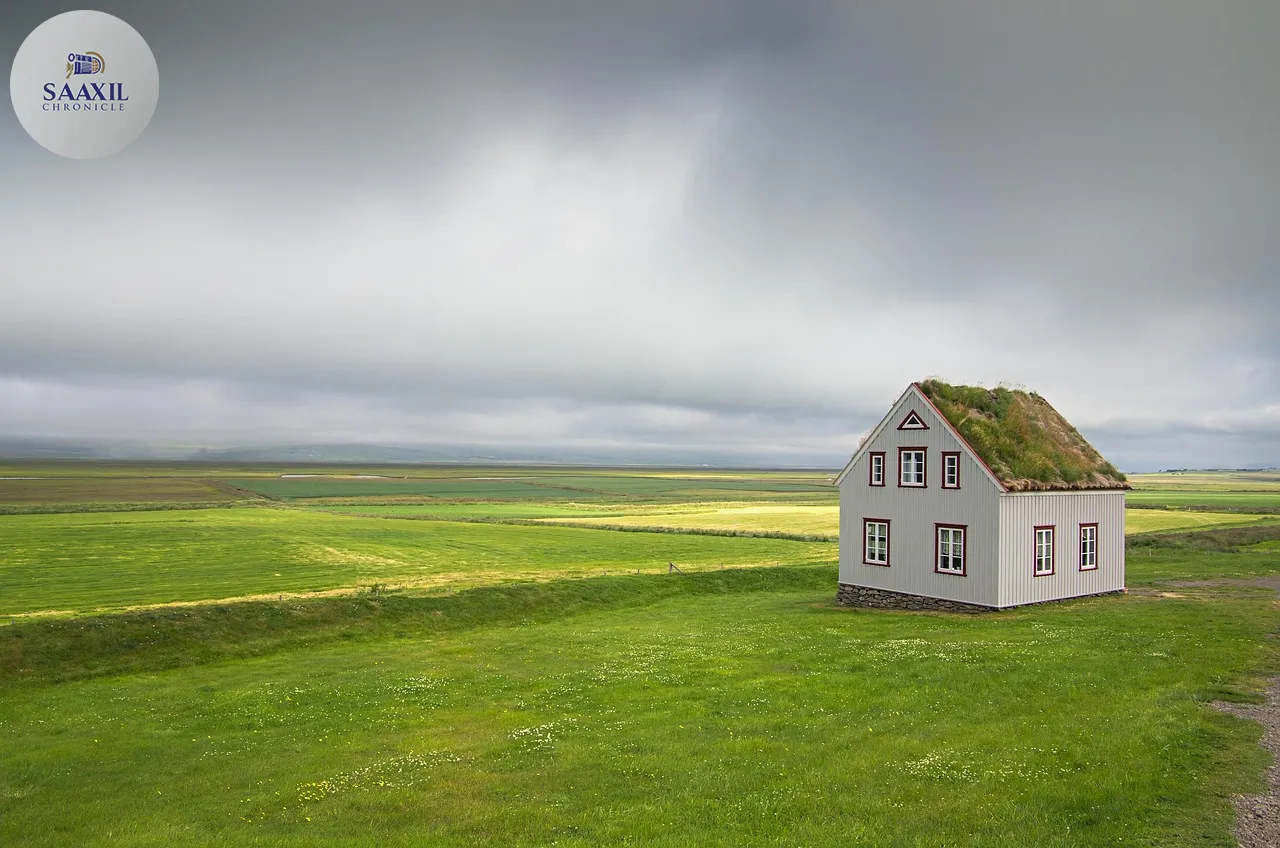
The Role of Insulation in Cladding Projects
Insulation is a crucial aspect of cladding projects, offering long-term energy savings and comfort. In 2025, more homeowners are recognising the benefits of incorporating insulation into their cladding projects. While this adds to the initial cost, the energy savings over time can be substantial. For instance, adding insulation can reduce heating bills by up to 25%, a significant consideration given rising energy costs.
Choosing materials with built-in insulation, such as insulated vinyl or composite panels, can streamline the installation process and enhance energy efficiency. Although these options may carry a higher upfront cost, they often prove more cost-effective in the long run. As the UK government continues to promote energy efficiency, homeowners may also benefit from grants or incentives to offset some of the costs associated with improving home insulation.
Navigating the Planning and Regulatory Landscape
Undertaking a cladding project in 2025 involves navigating a complex regulatory landscape. Homeowners must be aware of local planning permissions and building regulations, which can vary significantly across regions. In some cases, particularly for listed buildings or properties in conservation areas, obtaining the necessary approvals can be a lengthy and costly process.
Engaging with local authorities early in the planning process is essential to avoid potential setbacks. Homeowners should also consider consulting with a professional architect or surveyor to ensure compliance with all relevant regulations. Failing to adhere to legal requirements can result in fines or the need to remove non-compliant cladding, leading to additional expenses.
Expert Insights: What the Professionals Say
Industry experts emphasise the importance of thorough research and planning when embarking on a cladding project. “Homeowners need to consider not just the initial costs, but the long-term benefits and potential savings,” advises John Smith, a seasoned construction consultant. “Choosing the right materials and contractors can make a significant difference in the overall success of the project.”
It’s also crucial to factor in maintenance costs, as different materials require varying levels of upkeep. For example, timber cladding may need regular treatment to maintain its appearance and durability, whereas materials like fibre cement or metal are typically lower maintenance. Homeowners should weigh these considerations carefully to ensure they choose a solution that aligns with their budget and lifestyle.
Future Trends in House Cladding
Looking ahead, sustainability is set to play an increasingly important role in cladding projects. With growing awareness of environmental issues, many homeowners are opting for eco-friendly materials and practices. Recycled and sustainable materials are becoming more popular, offering both environmental benefits and potential cost savings.
Additionally, technological advancements are driving innovation in cladding materials, with new products offering enhanced durability, insulation, and aesthetic appeal. As these trends continue to evolve, homeowners in 2025 and beyond will have access to a broader range of options, enabling them to make more informed and sustainable choices.
In summary, understanding the costs and considerations of house cladding in 2025 is essential for UK homeowners looking to enhance their properties. By carefully weighing material choices, insulation options, regulatory requirements, and expert advice, homeowners can navigate the complexities of cladding projects with confidence and foresight. As the industry continues to evolve, staying informed about emerging trends and technologies will be key to making the most of these valuable home improvements.