
Bavaria’s regional rail authority has launched new tender processes for both domestic and cross-border passenger rail services after earlier procurement attempts were withdrawn for economic reasons.
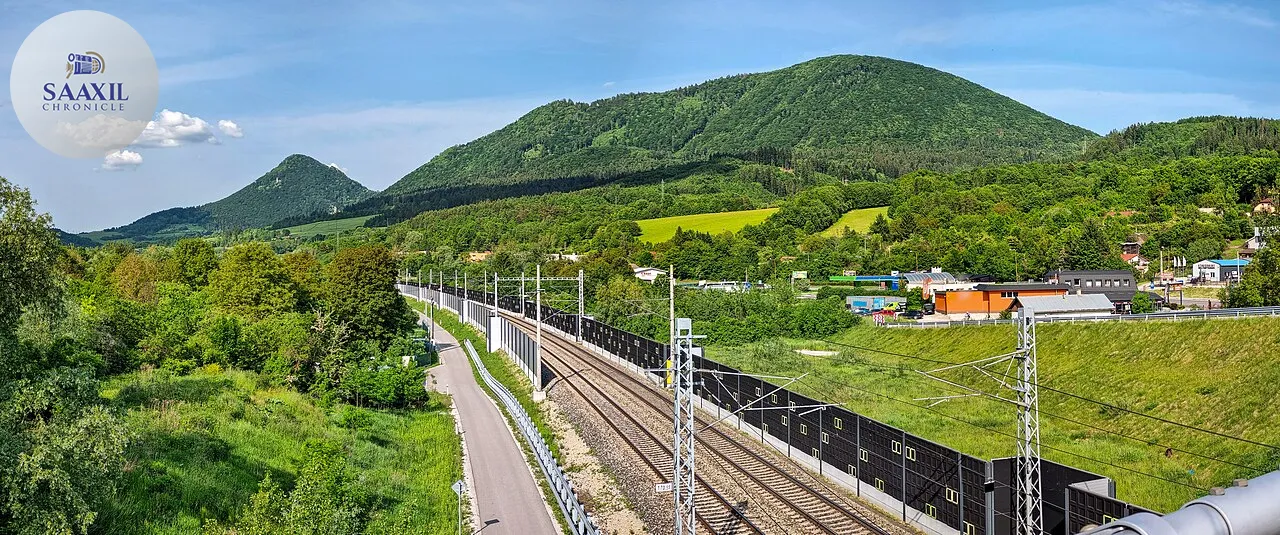
The developments affect regional express services between Munich and Hof in southern Germany, as well as international services linking Munich with Prague.
Munich–Hof regional services
Bavarian Railway Company (BEG) announced on 9 February that it is retendering the contract for fast regional services between Munich and Hof.
The East Bavaria Express Trains contract covers the operation of Regional Express line RE2 from the end of 2028 until the end of 2043. The services are expected to total around 2.2 million train kilometres per year. Bids must be submitted by 28 August.
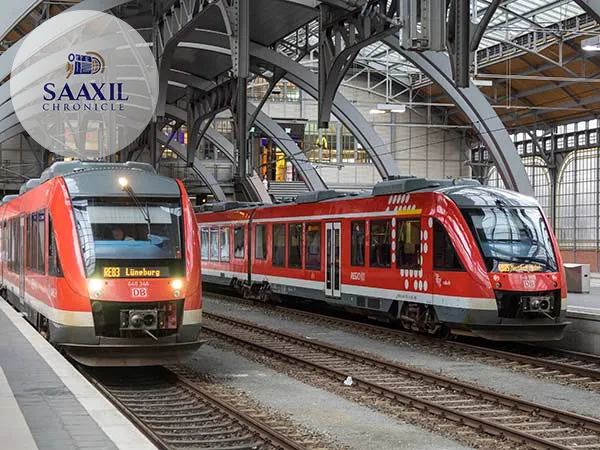
The new contract is structured in two operating phases. From the end of 2030, operators will be required to deploy bi-mode trains, allowing services to continue without changing traction at Regensburg. According to Bavaria’s transport minister Christian Bernreiter, the staged approach reflects the additional time needed to procure hybrid rolling stock.
This is the second attempt to tender the Munich–Hof services. A previous tender launched in 2024 was withdrawn after a single bid was received and assessed as uneconomic. Services on the route are currently operated by DB Regio.
Cross-border Munich–Prague services
BEG is also coordinating a new tender for international services between Munich and Prague, following the cancellation of two earlier tenders in 2024. The process is being conducted jointly with the Czech Ministry of Transport.
The procurement is split into two stages, with three bidders from the first stage expected to progress to the second. The contract covers approximately 2.8 million train kilometres annually, with nine train pairs operating every two hours. The proposed 15-year contract would run from 14 December 2031 to 8 December 2046. The deadline for first-stage bids is 6 March.
The selected operator will be required to supply new trains capable of reversing at Schwandorf in Germany. The rolling stock must be equipped with ETCS Level 2 signalling and provide seating for at least 500 passengers, including a minimum of 54 first-class seats.
Interim operating arrangements
Munich–Prague services are currently operated jointly by Czech Railways and Die Länderbahn, a subsidiary of Netinera, under the Alex brand as lines RE36 and Ex36.
As the Czech Ministry of Transport’s contract with Czech Railways for the Czech section of the route expires at the end of this year, an interim tender is under way for services between 2026 and 2031. Two bids have been submitted, one from Czech Railways and one from Leo Express, with differing cost proposals.
On the German side, BEG’s existing contract with Netinera is due to end in 2027. A decision on whether to tender an interim contract for the 2027–2031 period or adopt alternative arrangements has not yet been announced.
What this means
Passengers using regional services in eastern Bavaria and cross-border rail links between Germany and the Czech Republic may see changes in operators and rolling stock over the coming decade. The retendering process is intended to secure long-term service provision while accommodating new technical requirements, including hybrid trains and upgraded signalling systems.
When and where
This update is based on reporting published on 9 February 2026 by International Railway Journal, covering rail procurement developments in Bavaria and cross-border services between Germany and the Czech Republic.