
A sneeze can stop a room. It can spark worry about a cold, set off a chain of polite “bless yous”, or make us think about pollen counts and pollution levels. A new feature from UK newspaper the Guardian draws together science, culture and practical advice to ask a simple question with a complicated answer: how much should we worry about a sneeze? Immunologist Professor Sheena Cruickshank of the University of Manchester says the reflex is not a mystery omen or a gauge of personal strength. It is a frontline defence. “It’s a physical response to get rid of something that’s irritating your body,” she explains. From microscopic cilia in our noses to the nerves that trigger the blast, the body works to expel irritants fast. With winter viruses ebbing and flowing and air quality under scrutiny, understanding this reflex matters.
A reflex built to protect
A sneeze begins with a warning. The nose senses an irritant — dust, pollen, or a pathogen — and sends signals to the brain to clear the threat. Professor Sheena Cruickshank puts it plainly: “Alongside the obvious nasal hairs that a few people choose to trim, all of us have cilia, or microscopic hairs in our noses that can move and sense things of their own accord. And so if anything gets trapped by the cilia, that triggers a reaction to your nerve endings that says: ‘Right, let’s get rid of this.’ And that triggers a sneeze.” Those tiny hairs and nerve endings form a quick, coordinated system designed to protect the airway.
This response serves a simple purpose: get the irritant out. The body recruits muscles in the chest, throat and face to force air through the nose and mouth. That sudden rush helps eject particles from the nasal passages. People often ask if a single sneeze signals illness. On its own, it does not. The context matters more: what you breathed in, what season it is, and whether other symptoms — such as a runny nose, sore throat, or itchy eyes — sit alongside it.
From omens to evidence
Sneezes have long carried meaning beyond biology. In Homer’s Odyssey, Telemachus sneezes after Penelope prays for Odysseus’s return. She reads it as a sign that the suitors will soon face their reckoning. In Xenophon’s Anabasis, a soldier’s sneeze comes as a kind of divine nod that a weary army can fight its way home. In later writing, St Augustine notes — with some disapproval — that people in his time returned to bed if they sneezed while putting on their slippers. Culture gave the reflex a place in ritual and belief.
Modern science strips away the mystique. Researchers look at what triggers sneezing, how the body detects threats, and what that means for public health. The change is practical as well as philosophical. It invites people to see a sneeze not as a sign from above, but as the body’s own alarm — a protective reflex tied to what is in the air and what is happening in the nose.
Illness, allergies or dirty air?
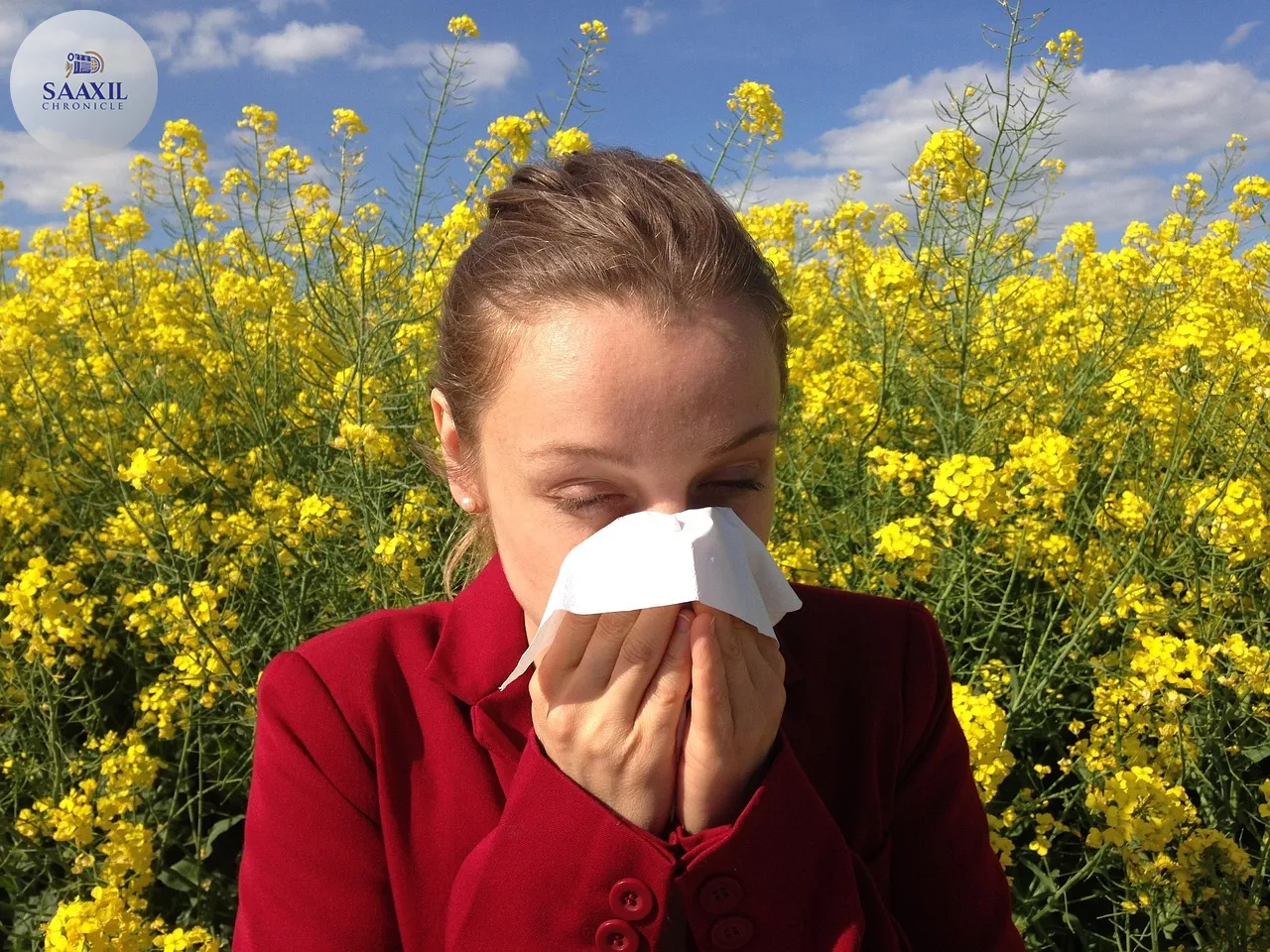
When you hear a sneeze on a crowded train or in a classroom, it is natural to wonder: is it a cold, an allergy, or just a dusty day? Experts stress pattern and context. Allergies such as hay fever tend to bring clusters of sneezes along with itchy or watery eyes and a clear runny nose, often when pollen counts rise. Colds commonly add symptoms like a sore throat, general fatigue, and later, thicker nasal discharge. Irritants in polluted air can also set off sneezes without infection. They provoke the nose but do not always bring other signs of illness.
People sometimes gauge risk by how loud or strong a sneeze sounds. Volume is not a reliable guide. It reflects individual differences and the space you are in more than the cause of the reflex. What matters is whether other symptoms build over a day or two, and whether exposure to known triggers — such as pollen or smoke — fits the pattern. If symptoms develop or persist, public health advice remains simple: rest, stay hydrated, and seek guidance if you feel unwell.
What to do when sneezing strikes
Hygiene helps protect others. Cover your nose and mouth with a tissue when you sneeze, then bin it and wash your hands. If you do not have a tissue, use the crook of your elbow rather than your hands. These steps reduce the chance that droplets carrying pathogens will land on surfaces or spread to people nearby. Good ventilation also matters. Fresh air can dilute indoor irritants and reduce the build-up of particles that provoke sneezes.
For people with allergies, simple habits can make a difference. Keep an eye on local pollen updates in spring and summer, and consider planning outdoor time when levels are lower. Rinse your face after spending time outside to remove pollen from skin and eyelashes. If air quality alerts appear in your area, limit heavy exercise near busy roads and keep windows closed during the worst periods. These measures do not replace medical advice, but they support the body’s own defences.
Inside the body’s rapid-fire response
The nose acts as a filter at the front of a complex system. Nasal hairs and cilia trap particles. Moist surfaces capture debris. Sensory signals from the nasal lining travel to the brain, which coordinates a swift, whole-body effort to expel air. This is why a sneeze feels like a full-body event. The diaphragm tightens, the chest compresses, and the face muscles contract to send air and particles out of the nose and mouth.
Professor Cruickshank’s description of cilia highlights a key point: the system does not just sit idle waiting for trouble. It moves, senses and clears as you breathe. The sneeze is a reset button when that steady clean-up needs a powerful assist. That is why irritating smells, dust from a freshly opened box, or a burst of pepper can bring a rapid reaction even in healthy people.
Why the question matters now
Air quality and respiratory health sit high on public agendas. Cities around the world monitor pollution, and communities discuss how to reduce exposure. Seasonal viruses still circulate each winter, raising awareness about how respiratory symptoms spread. In that context, people sometimes over-read a sneeze or judge others harshly for a reflex they cannot control. Clear information helps. A sneeze can signal anything from harmless irritation to the start of a minor illness, but in every case it reflects a defence at work.
Public behaviour also shapes outcomes. Simple steps — from covering sneezes to improving airflow — can reduce risk for families, classmates and colleagues. Understanding that the body uses sneezing to eject irritants, rather than to indicate weakness or impurity, can also reduce stigma. The science does not strip the sneeze of its drama, but it does give it purpose.
The takeaways are straightforward. A sneeze protects the airway by clearing irritants. Context, not volume, points to the cause — whether allergens, pathogens or pollution. Hygiene and ventilation support public health. Culture may still attach meaning to a sudden burst of sound, as it did in the days of Homer and Augustine, but experts like Professor Sheena Cruickshank underline a simpler truth: the sneeze is your body doing its job. As cities and households focus on cleaner air and sensible infection control, that reflex remains an ally — quick, loud and, above all, protective.
The Guardian published the piece on Sunday, 8 February 2026. It highlights expert insight from Professor Cruickshank in Manchester, and sets the science of sneezing against a long history of folklore across Europe and beyond.