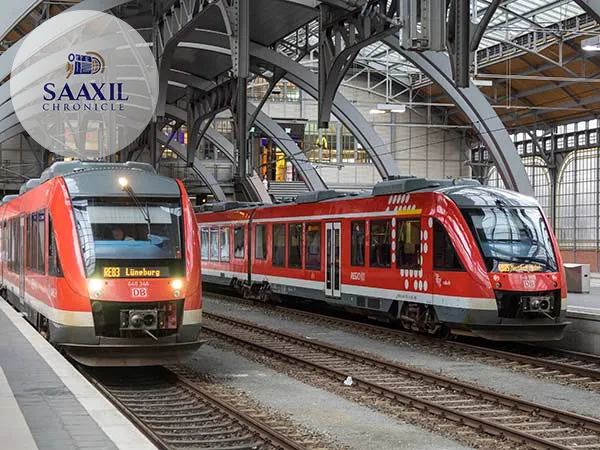

Slovakia has completed a feasibility study for a two-stage high-speed rail programme worth €3.1bn, setting out a plan to link Bratislava with the emerging Czech high-speed network and with Austria. The study marks a step in cross-border rail development for the region, with Slovakia now holding a costed and phased outline for the connection. International Railway Journal first reported the study’s completion, noting the scope and financing estimate. The plan signals intent to strengthen rail travel between three neighbouring countries and to align with wider European transport priorities that seek faster and more reliable inter-city links. For travellers and operators, the development points to a possible future change in how passengers reach and cross the Slovak capital, although today’s services, timetables and routes remain unchanged.
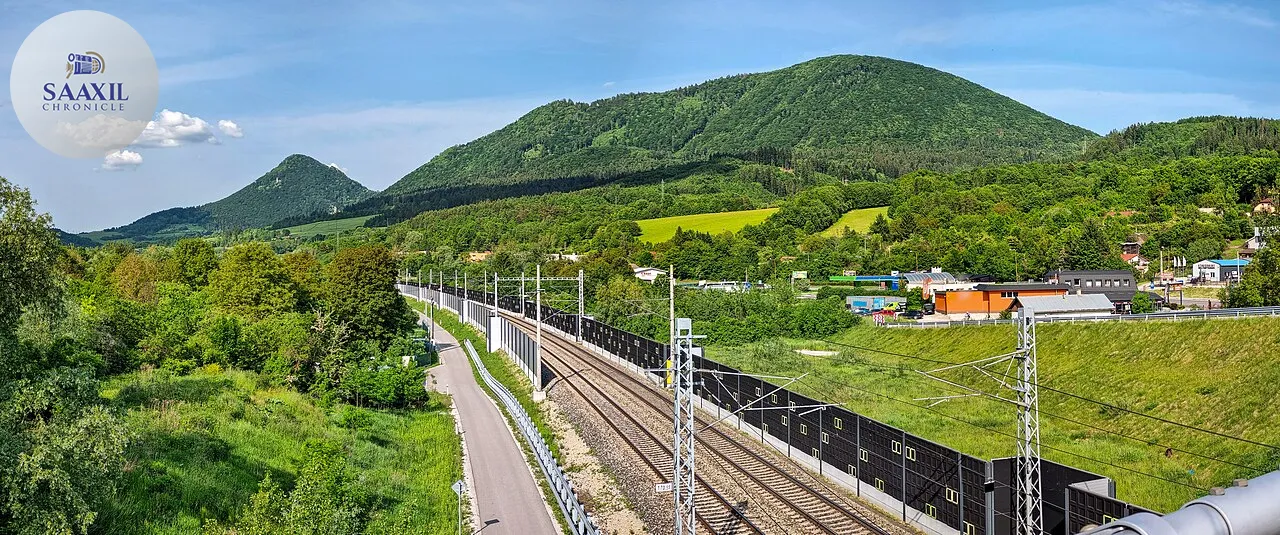
Two-stage programme sets out a €3.1bn cross-border link
The feasibility study outlines a two-stage programme that aims to connect Bratislava with both the Czech high-speed network and Austria. The headline figure of €3.1bn gives a broad sense of scale for the work required. The two stages provide a phased approach, which helps planners sequence construction and manage engineering and funding needs across different sections. The study gives Slovakia a foundation for later decisions on design, procurement and implementation, subject to approvals.
A feasibility study tests technical options, demand assumptions, costs and programme risks before any government commits to build. In this case, the completed study provides the framework for how Slovakia might achieve a high-speed link from its capital to two neighbouring systems. It does not carry approval to break ground, but it sets out the case, the route concepts and the financial outline for further planning.
Bratislava’s geographic position shapes the project’s goals
Bratislava sits close to both the Austrian and Czech borders. Conventional rail lines already link the city to Vienna and to cities in the Czech Republic. The new plan looks to upgrade that position by tying the capital to the Czech high-speed network and to Austria through faster, dedicated or upgraded corridors. The cross-border nature of the scheme means planners must coordinate with rail infrastructure managers and transport ministries across the borders.
The Czech Republic is advancing work on a national high-speed network, with projects under design and preparation. Austria runs fast long-distance services on upgraded lines and continues to modernise infrastructure around Vienna. A Slovak link into these systems would form part of a wider north–south and east–west matrix, allowing through journeys that combine national networks without lengthy border slowdowns. The feasibility study aligns Slovakia with this regional picture.
Practical scope and the limits of current information
The study sets out the two stages and the €3.1bn estimate, but it does not change how passengers travel today. Slovakia has not announced detailed construction schedules, service patterns, line speeds, or station plans for the programme. It has not set a start date or completion date. Operators have not published new timetables based on this scheme. These limits frame what travellers can expect in the near term: existing cross-border services continue as before while planning work proceeds.
Large rail projects usually move through design development, environmental assessment, land and consent procedures, and procurement before any construction begins. Cross-border projects also require intergovernmental agreements on standards, signalling systems and funding shares. The feasibility study gives decision-makers the technical and financial baseline to enter those discussions, but it does not replace them.
Integration with European transport policy and funding frameworks
The proposed link sits within the European Union’s long-standing aim to improve cross-border rail. EU policy supports better rail connectivity on the Trans-European Transport Network (TEN-T), including projects that strengthen links between capitals and major cities. The Connecting Europe Facility (CEF) provides funding for studies and works on eligible parts of TEN-T. Many cross-border rail schemes apply for such support to reduce national outlays and to standardise technical solutions.
The Slovak study demonstrates groundwork that could match EU funding and policy criteria, since it addresses cross-border capacity and interoperability. However, the study’s completion does not by itself confirm any EU grant. Any future funding package would require formal applications, assessments and approvals against the relevant EU frameworks. The project’s progress will depend on those steps, as well as national budgeting.
Potential effects on passengers and operators if built
If Slovakia delivers the programme, passengers could see shorter journey times between Bratislava and key cities in the Czech Republic and Austria, along with more frequent and reliable services on upgraded infrastructure. High-speed links usually provide higher capacity and more predictable timetables, which helps both daily commuters and long-distance travellers. Better cross-border rail can also support tourism flows by offering a clear alternative to road travel for visitors moving between the three countries.
For operators, a high-speed connection can simplify scheduling and increase asset utilisation by allowing trains to run at consistent speeds over longer distances. Interoperable systems at borders can reduce delays and improve punctuality. Freight does not usually run on pure high-speed passenger lines, but any capacity freed on conventional routes can support freight operations, which in turn helps logistics chains. The Slovak plan’s exact operational model will depend on final designs and bilateral agreements.
Coordination challenges across three national systems
Delivering a cross-border high-speed link involves technical and legal coordination. Infrastructure managers must align on signalling systems, electrification standards, safety rules and platform interfaces to ensure seamless operation. These choices influence rolling stock needs and maintenance planning for operators that run services across the borders. The feasibility study helps identify these issues early so that later design stages can address them.
Land acquisition and environmental approvals can add time, especially near dense urban areas and sensitive landscapes. In Bratislava, designers will need to manage interfaces with existing stations and local services. On the cross-border sections, teams must plan works that limit disruption to current traffic while complying with each country’s regulations. Such constraints often shape phasing, which the two-stage structure aims to handle.
Access and connections: what travellers should know now
Until Slovakia authorises construction and publishes detailed plans, travellers will continue to use the current cross-border rail options between Bratislava, Vienna and Czech cities. Existing tickets, timetables and routes remain valid. If delivered, the high-speed link would likely concentrate long-distance services at major hubs, with clear interchange to local and regional trains. That model often reduces transfer times and improves wayfinding for international passengers.
Air and road links will continue to connect the three countries. The high-speed programme, if built, would add a faster rail option to the mix. Any future changes to station access, ticketing or service patterns would come later, with notice from operators. For now, the study provides the framework for potential changes, not the changes themselves.
What this means
For travellers, the completed feasibility study signals possible future improvements in cross-border rail between Slovakia, the Czech Republic and Austria, centred on Bratislava. For operators, it offers a planned pathway to higher-capacity, faster corridors that could support more reliable international services. For local communities, the plan could bring construction activity and, later, different rail patterns through urban and peri-urban areas. None of these effects take place immediately. Authorities will need to decide on design, funding and delivery before any works begin. The €3.1bn estimate and two-stage format give structure to those decisions. Today’s services continue unchanged while planners assess next steps.
In summary, Slovakia now holds a costed and phased plan to connect its capital to neighbouring high-speed and fast rail networks. The report’s completion sets a platform for formal design, approvals and cross-border agreements, but it does not commit the country to build or define timelines. The update clarifies scope and intent while leaving route specifics, start dates and service details to later stages. Travellers and operators can note the direction of travel and watch for firm milestones as Slovakia and its partners move from study to decision.
When and where
Slovakia completed the feasibility study in early February 2026. International Railway Journal reported the development on 5 February 2026.