
Salman Rushdie has spoken publicly about recovery, resilience and the role of culture in the face of authoritarianism following the premiere of a new documentary at the Sundance Film Festival that examines the 2022 knife attack which nearly killed him.
The film, Knife: The Attempted Murder of Salman Rushdie, documents the aftermath of the attack at New York’s Chautauqua Institution, where Rushdie was stabbed multiple times while preparing to speak about protecting writers from harm. The assault left the author with life-threatening injuries, including the loss of sight in one eye and lasting damage to his hand, and required extensive medical treatment and rehabilitation.
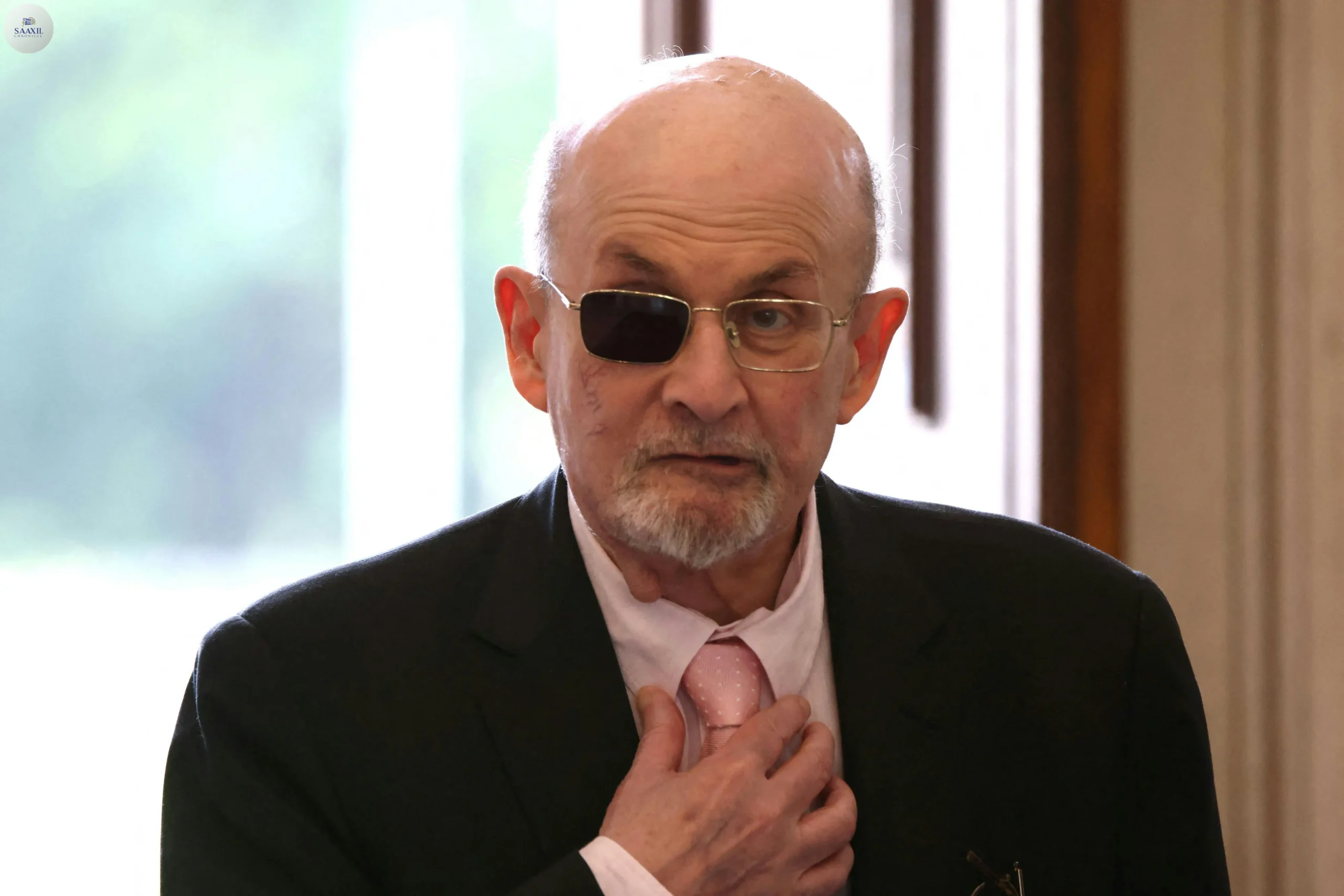
Speaking at Sundance, Rushdie framed the attack and his recovery within a broader political and cultural context. He argued that authoritarian movements frequently target art, writing and cultural expression because they challenge rigid belief systems and unchecked power. “For the authoritarian, culture is the enemy,” he told the audience, describing violence against artists as part of a wider pattern rather than an isolated act.
Documenting violence as resistance
The documentary, directed by Alex Gibney and based on Rushdie’s memoir of the same name, opens with a reconstruction of the 27-second attack from Rushdie’s perspective. It then follows his recovery using footage recorded by his wife, writer and photographer Rachel Eliza Griffiths. The film presents an unfiltered account of physical trauma, surgery and rehabilitation, alongside reflections on fear, survival and the decision to continue writing.
Rushdie explained that documenting the experience became both a personal coping mechanism and a deliberate act of defiance. Recording what happened, he said, was a way to confront violence directly rather than allow it to silence him. The film also traces his earlier life, including the global backlash following the publication of The Satanic Verses in 1988 and the fatwa issued against him, which forced him into years of police protection.
Culture, intimidation and public life
At Sundance, Rushdie and Gibney both connected the themes of the documentary to contemporary political tensions. They described how threats, intimidation and violence can spread when leaders or movements encourage hostility toward cultural figures, journalists or minority voices. The film draws parallels between the historic campaigns against Rushdie’s work and more recent examples of political violence and cultural suppression.
Gibney noted that the documentary is not solely about the attack itself, but about how societies respond to such acts. Alongside scenes of brutality, the film highlights the actions of audience members who intervened during the attack, restraining the assailant and saving Rushdie’s life. Rushdie described this moment as a reminder that solidarity and collective action can coexist with fear and violence.
Recovery and public engagement
Now in his late seventies, Rushdie said returning to public life and discussing the attack was not easy, but necessary. He argued that understanding past acts of ideological violence is essential to recognising similar dynamics in the present. While the film does not advocate specific political positions, it emphasises the importance of cultural freedom, artistic expression and civic courage.
The documentary concludes with footage of the attack filmed by conference cameras, shown alongside reflections on human vulnerability and resilience. Rushdie described experiencing “the worst and best of human nature” in the same moment, violence driven by ideology and compassion from strangers who intervened.
What this means
For writers, artists and cultural institutions, the film and Rushdie’s remarks highlight the ongoing risks faced by those who challenge powerful beliefs or regimes. For wider audiences, the documentary offers a case study in how political violence intersects with freedom of expression, and how public solidarity can counter attempts to silence cultural voices.
When and where
Knife: The Attempted Murder of Salman Rushdie premiered at the Sundance Film Festival in January 2026. Reporting on Rushdie’s remarks and the film’s reception was published following the Sundance screening.