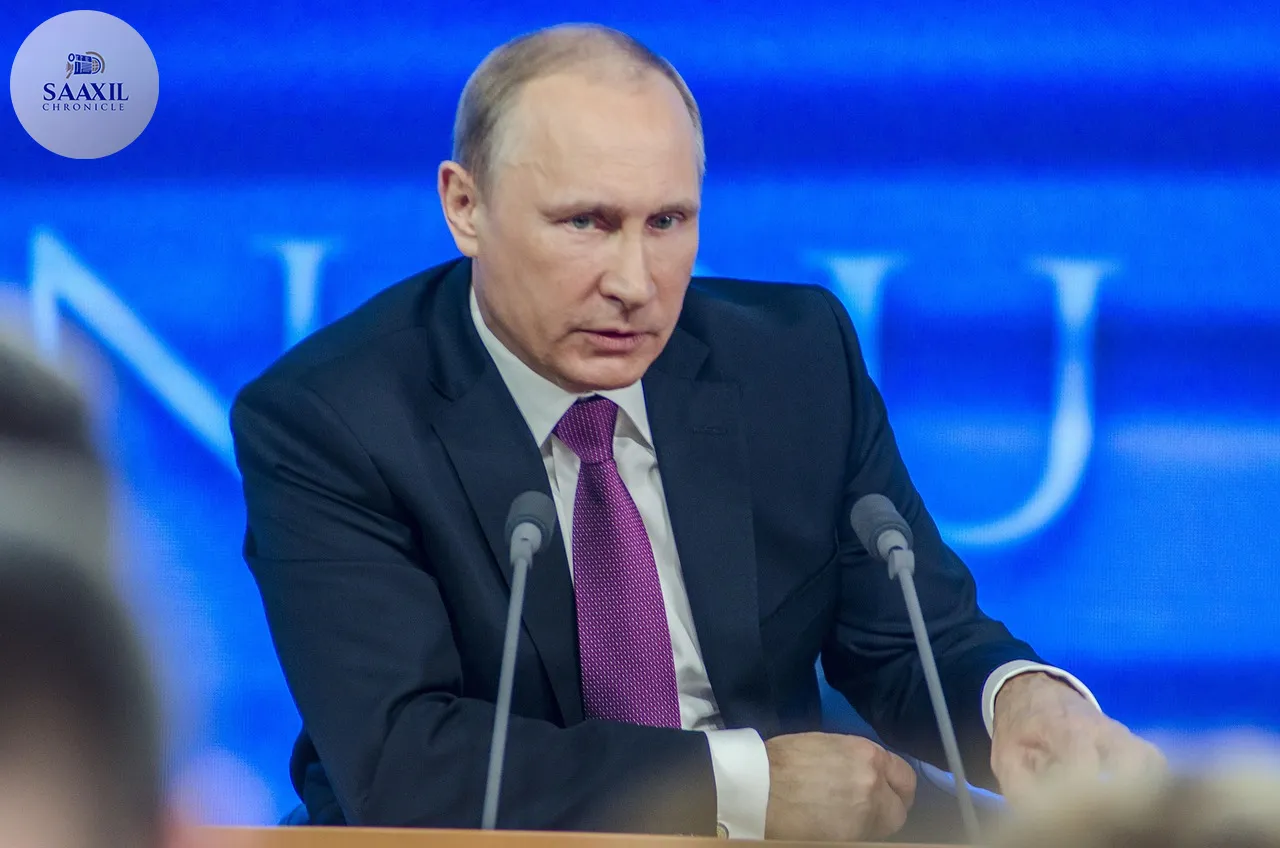

US President Donald Trump has filed a lawsuit seeking at least $5bn (£4bn) in damages against JPMorgan Chase and its chief executive, Jamie Dimon, alleging the bank unlawfully withdrew banking services from him and related entities following the January 6 attack on the US Capitol.
The lawsuit, lodged in a Miami court, claims the bank placed Trump, the Trump Organization, affiliated businesses and family members on what it describes as an internal blacklist. The filing argues that JPMorgan’s decision was politically motivated and left the plaintiffs without any opportunity to challenge or remedy the action.

Allegations linked to post-January 6 decisions
According to the court documents, Trump alleges that JPMorgan stopped offering banking services in the period following the Capitol riot in January 2021. He has previously claimed that several major banks declined to accept deposits or continue relationships with him after that date, accusations that the institutions involved have denied.
Trump’s legal team argues that JPMorgan’s actions amounted to discrimination based on political views and public pressure rather than legitimate financial risk. The claim asserts that the bank’s decision was “final and unequivocal” and offered no alternative arrangements.
The lawsuit was filed by Alejandro Brito, a Miami-based lawyer who has represented Trump in other high-profile legal actions, including cases against media organisations.
Bank rejects claims and signals defence
JPMorgan responded swiftly, stating that it believes the lawsuit has no merit and that it intends to defend itself in court. In a statement, the bank said it does not close accounts for political or religious reasons.
A spokesperson added that accounts may be closed when they pose legal, regulatory or compliance risks, and that such decisions are made in line with regulatory expectations. The bank said it regretted having to take such steps when they occur, but maintained that they are sometimes unavoidable under existing rules.
Following reports of the lawsuit, JPMorgan shares dipped slightly before recovering, closing marginally higher in late New York trading.
Wider dispute over “debanking”
The case sits within a broader debate over so-called “debanking”, a term used by some political figures to describe the withdrawal of financial services by major institutions. Trump has repeatedly argued that banks have targeted him and other conservatives because of their political positions.
JPMorgan has said publicly that it supports efforts to clarify rules around account closures and agrees that no customer should be denied services solely because of political beliefs. However, it maintains that regulatory and risk considerations remain central to its decisions.
Trump has also named other banks, including Bank of America, as having rejected his deposits after January 6, claims that those institutions have likewise disputed.
Tensions between Trump and Dimon
The lawsuit comes amid a public exchange of criticism between Trump and Dimon on several policy issues. Dimon has spoken out in defence of Federal Reserve independence after the Justice Department initiated a criminal investigation involving Jerome Powell, the Fed chair.
Dimon said he had “enormous respect” for Powell and warned that undermining the central bank’s independence could fuel inflation and push up interest rates. Trump responded by dismissing Dimon’s comments and arguing that interest rates should be lower.
At the World Economic Forum in Davos, Dimon also criticised Trump’s proposal to cap credit-card interest rates at 10% for an initial period, describing it as potentially damaging to the economy. He suggested that US economic reliability had diminished, though he stopped short of saying it had collapsed.
Trump, in turn, accused Dimon of favouring higher interest rates for personal or institutional benefit, a claim Dimon has not accepted.
Legal and political implications
Legal experts note that proving political discrimination by a private bank presents a high bar, particularly given the extensive regulatory framework governing large financial institutions. Banks are required to assess reputational, compliance and legal risks, especially for high-profile clients, and have broad discretion to end relationships provided they do not breach discrimination laws.
The lawsuit is likely to test how courts interpret claims of political motivation against the backdrop of regulatory obligations. It may also draw renewed attention to calls from some lawmakers to tighten rules around account closures and improve transparency when banks terminate customer relationships.
International parallels
The issue of alleged debanking has also surfaced outside the United States. In the UK, a high-profile dispute emerged in 2023 when Reform UK leader Nigel Farage said his bank account had been closed for political reasons. The controversy led to the resignation of the NatWest Group chief executive after she admitted to being the source of inaccurate media briefings about the case. The matter was later settled.
Those events have been cited by critics as evidence that financial institutions may, at times, act under political or reputational pressure. Banks, however, continue to argue that regulatory compliance and risk management drive their decisions.
What this means
The lawsuit raises questions about how banks balance regulatory obligations with accusations of political bias, particularly when dealing with prominent public figures. For financial institutions, the case underscores the scrutiny attached to account closures involving politically exposed persons. For policymakers, it may intensify debate over whether existing safeguards adequately protect customers while allowing banks to manage risk.
The outcome could influence how banks document and communicate decisions to end client relationships, especially in highly charged political contexts.
When and where
The lawsuit was filed in Miami in January 2026. JPMorgan Chase issued a public response shortly after the filing, and related comments from Donald Trump and Jamie Dimon were made in the United States and at international events during the same period.