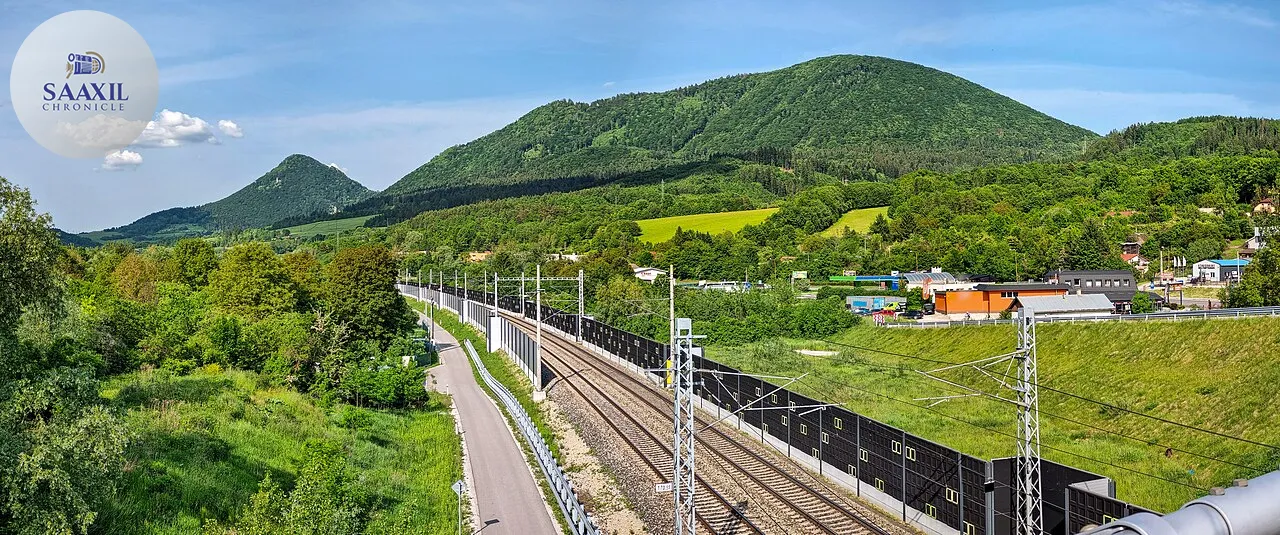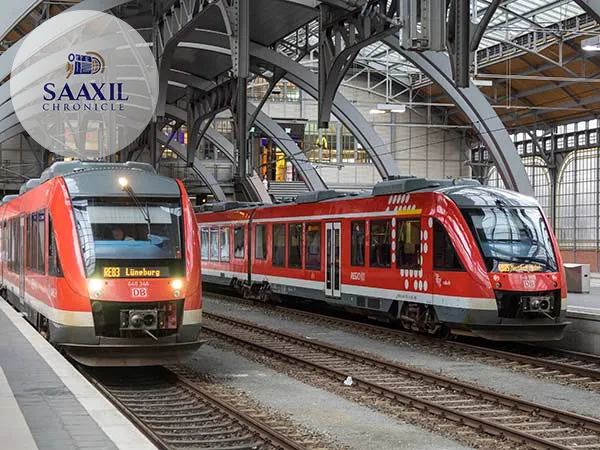

Europe will not complete the core Trans-European Transport Network (TEN-T) by 2030, with major project costs rising and timelines slipping across the continent. The update points to delays affecting several cross-border rail links and strategic corridors that underpin the European Union’s plan to connect major cities, ports and logistics hubs. According to International Railway Journal, the current pace of construction and financing will not meet the original target date, signalling a significant setback for the EU’s transport policy and for operators planning long-distance passenger and freight services. The core network is designed to streamline travel across borders, reduce bottlenecks, and support a shift from road and air to rail for both people and goods. The missed deadline means travellers and shippers will see slower progress towards seamless, high-capacity rail routes on key axes across Europe.

TEN-T core network falls behind schedule
The TEN-T core network forms part of the EU’s long-term plan to create connected, interoperable transport links across member states. It focuses on corridors that link capital cities, major ports and key border crossings. The 2030 deadline for the core stage set a clear milestone for national infrastructure managers and cross-border consortia. Missing that date signals that several sections will not open as planned, particularly complex cross-border elements that involve long tunnels, new lines and major station upgrades.
The delay highlights the scale of coordination needed to deliver large infrastructure across multiple jurisdictions. It also underlines the challenge of aligning technical standards, legal frameworks and procurement rules. These factors add complexity and risk to schedules, especially where projects span borders and require joint approvals, funding agreements and construction sequencing.
Costs rise across flagship schemes
The reported cost increases affect several high-profile projects central to the core network plan. These include major rail tunnels, new cross-border links and capacity expansions on busy axes. Inflation, supply chain pressures and construction complexity have pushed budgets higher in recent years. The mismatch between early cost estimates and current market conditions has made financing more difficult, particularly for national partners working within tight public budgets.
Rising costs can trigger scope reviews, renegotiations and revised timelines. Where projects depend on staged national co-financing alongside EU grants, cost growth can force changes to delivery plans. This can include deferring sections, re-tendering contracts or phasing works over a longer period, which in turn slows the overall rollout of the core network.
Cross-border delivery and technical alignment
Cross-border sections remain the most demanding parts of the network to deliver. They require joint governance and shared technical solutions for signalling, electrification, and interoperability. Standardising systems aims to reduce delays at borders and allow trains to run across countries without changing locomotives or crews. But the transition to common standards adds layers of planning and testing that extend delivery schedules.
In addition, legal processes for land acquisition, environmental assessment and permits vary by country. Timelines for appeals and public consultation differ, which can hold up work at key interfaces. Even when construction proceeds on one side of a border, the opposing section may wait on approvals, designs or funding decisions from the neighbouring state. These asymmetries compound delays and complicate commissioning.
Passenger connectivity and service planning
For travellers, the missed 2030 target means several long-distance and cross-border rail improvements will arrive later than expected. Operators planning new services or faster journeys must adjust timetables and fleet strategies to match phased openings. Existing routes may continue to rely on capacity-constrained lines or older infrastructure for longer. Planned speed gains and journey time reductions on strategic corridors will likely roll out in stages rather than as a single step change.
Night trains, high-speed services and regional cross-border connections depend on corridor readiness. Where infrastructure upgrades lag, operators face limits on frequency, speed and rolling stock deployment. The staggered delivery of signalling upgrades and electrification can also constrain the full benefits of new trains until entire sections align with required standards.
Freight corridors and logistics impacts
Freight operators rely on the TEN-T core network to move goods efficiently across Europe, with a goal to increase rail’s share of long-haul transport. Delays to capacity upgrades, bypass lines and multimodal hubs will slow progress towards more reliable, high-volume freight paths. This affects timetabling, wagon flows and terminal operations, especially on routes that connect ports, industrial regions and inland logistics centres.
Freight services may need to maintain workarounds for longer, including detours, additional border checks or locomotive changes where systems differ. These steps add time and cost to cross-border movements. While some incremental improvements continue to open, the absence of complete corridor upgrades holds back the intended network effect for international rail freight.
Funding, governance and phased delivery
The EU supports TEN-T projects through dedicated funds that cover part of total costs, while member states fund the rest. This mixed model seeks to align national and European priorities and to co-finance works that deliver cross-border benefits. Cost escalation and scheduling risks, however, can strain national budgets and delay tendering or construction starts. Coordination between agencies and infrastructure managers remains central to keeping programmes on track.
Phased delivery has become a practical response to these pressures. Segments open as they complete, even if the full corridor remains unfinished. This can unlock some capacity or journey time benefits while broader works continue. But it also requires careful service planning and staged operational changes, which can add complexity for railway undertakings and infrastructure managers.
Policy objectives and environmental goals
The TEN-T policy supports wider climate and transport objectives by promoting modal shift from road and air to rail and inland waterways. The core network’s timely completion is designed to help cut emissions, ease congestion, and improve safety. Delays mean these benefits will scale up more slowly, particularly on routes intended to take heavy traffic off roads and short-haul flights.
Policymakers have tied several environmental targets to improved rail connectivity and interoperability. As key sections slip past 2030, authorities will need to adjust interim milestones and reporting. Progress will depend on steady construction, timely approvals and sustained funding across multiple programming periods.
Operational readiness and traveller information
Operators and infrastructure managers will need to communicate staged openings clearly to travellers and shippers. Accurate information on timelines, service changes and diversions helps limit disruption during construction. As sections come online, operators must test new systems, train staff and align maintenance plans. This ensures safe and reliable operations from day one.
Where works continue alongside live tracks, project teams often schedule possession windows and temporary closures. Clear timetables and advanced notice help passengers plan journeys and freight customers adjust logistics. Coordinated communications across borders matter on international routes, so travellers receive consistent updates regardless of the operator or country.
What this means
- Travellers should expect phased improvements rather than full-corridor upgrades by 2030 on several routes within the TEN-T core network. Some long-distance and cross-border journeys will see limited change until key sections complete.
- Rail operators and freight companies will continue to plan around construction, staged commissioning and technical transitions. This includes service alterations, equipment planning and path allocation that reflect partial infrastructure readiness.
- Local communities near construction sites will experience continued works as projects proceed in phases. This can involve temporary closures, altered traffic patterns and site activity over extended periods.
- National transport authorities and EU bodies will manage funding cycles and governance arrangements over longer horizons, reflecting revised schedules and higher project costs.
The report confirms a delay to the 2030 target for Europe’s core transport network and points to rising costs across major projects. The update applies to multiple corridors and cross-border schemes rather than a single location, and it outlines practical implications for passengers, freight operators and project teams. Further details will depend on individual project schedules, national approvals and funding decisions as works continue across the continent.
When and where
- Published: 19 January 2026
- Location: Europe-wide transport network
- Source: International Railway Journal