
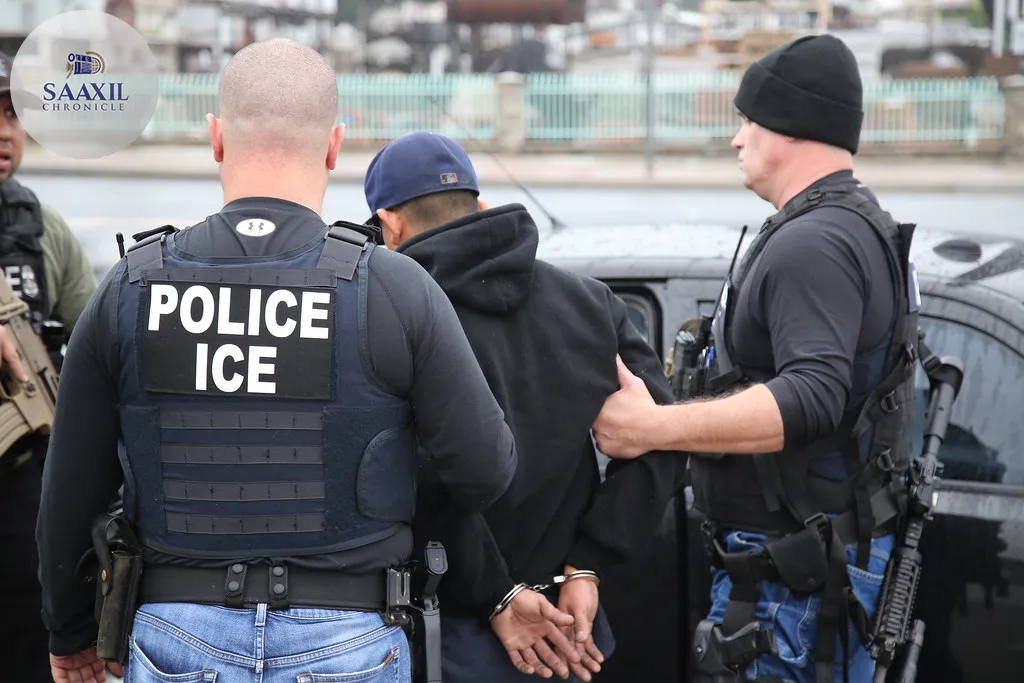
British journalist and Muslim political commentator Sami Hamdi faces deportation after immigration officers detained him at San Francisco International Airport on Sunday morning, according to public statements from advocates and a US official. The Council on American-Islamic Relations (CAIR) condemned the detention, calling it “a blatant affront to free speech” and linking the move to Hamdi’s recent criticism of Israel’s military campaign in Gaza during a speaking tour across the United States. Conservative activist and Trump ally Laura Loomer said she took credit for the detention, a claim that amplified political tensions around the case. A Trump administration official said Hamdi now faces deportation, escalating a dispute that civil rights groups frame as a test of whether US authorities respect dissent from foreign speakers.
CAIR urged immediate release and respect for due process. Supporters said Hamdi’s travel programme focused on public talks about US policy and the war in Gaza, making his detention a matter of public interest.
Context and Timing
Officers detained Hamdi on Sunday, 26 October 2025, at San Francisco International Airport. He had travelled to the United States for a speaking tour that featured criticism of Israel’s conduct in Gaza, according to CAIR and supporters who publicised the itinerary and his recent appearances.
CAIR alleges retaliation over speech on Gaza
CAIR said the detention represents political reprisal for speech protected under American norms and traditions. The organisation argued that US authorities targeted Hamdi because he criticised Israel’s military operations in Gaza, which he has condemned in public talks and media appearances. CAIR called the detention “a blatant affront to free speech,” framing the case as part of a broader pattern in which officials chill debate over the war.
The civil rights group urged federal authorities to release Hamdi and to clarify the grounds for their action. It said the United States should uphold its commitments to open debate, even when a speaker holds views that spark controversy. CAIR often steps in when authorities detain or question Muslim travellers; its leaders say the practice undermines trust and fuels fear within Muslim communities.
Loomer claims credit as political pressures mount
Laura Loomer, a close ally of Donald Trump and a prominent conservative activist, said she took credit for the detention. Loomer often highlights her efforts to challenge critics of Israel and frequently targets Muslim figures and pro-Palestinian activists. Her public claim added political heat to an already charged case and raised questions about whether advocacy campaigns can influence immigration enforcement decisions.
Loomer’s activism reflects a wider partisan fight around the Israel–Gaza war. Republicans and Democrats continue to clash over campus protests, foreign speakers, and the boundaries of lawful dissent. Loomer’s role underscores how outside actors seek to steer enforcement priorities and drive media agendas, especially on social platforms where such claims circulate quickly.
Deportation risk and the US immigration playbook
A Trump administration official said Hamdi faces deportation. That statement indicates officials may have placed him in removal proceedings or a fast-track process. In such cases, non-citizens can request legal counsel at their own expense. Some travellers may also seek review or raise claims based on fear of persecution, though the process depends on the specific grounds of detention and the person’s immigration status.
US law gives border and immigration officers broad power to question, detain, or deny entry to foreign nationals. While the First Amendment protects speech, non-citizens do not hold an absolute right to enter the United States to deliver public lectures. Courts have, however, scrutinised “ideological exclusion” when government actions appear to single out viewpoints. The Hamdi case will likely prompt legal challenges that test how far officials can go when speech lies at the heart of a detention.
A long-running clash over speech, visas, and the border
Civil liberties advocates have long warned about “ideological exclusion,” the practice of blocking or removing foreign speakers because of their views. Past controversies involved academics, artists, and activists who faced visa denials or entry refusals on national security or statutory grounds. Those cases often sparked public outcry, especially when officials failed to explain how a person’s speech posed a real security threat.
The Hamdi detention revives that debate in the context of the Gaza war, now a dominant fault line in US politics. Critics argue that authorities risk weaponising immigration tools to silence dissenting voices from abroad. Supporters of strict enforcement argue that the government must retain the power to act on intelligence, immigration violations, or security concerns, even when a traveller claims a political motive behind the action.
Gaza war commentary at the centre of the dispute
Hamdi’s talks reportedly challenged Israel’s campaign in Gaza and questioned US support for the war. That message resonates with audiences who accuse Israel of causing severe civilian harm and violating international norms, claims Israel rejects. In the United States, debates over Gaza have driven protests, counter-protests, and hearings, with lawmakers pushing universities and public venues to police speech they consider antisemitic or incendiary.
The case places Hamdi’s criticism against a wider backdrop of political and social tension. Public venues have cancelled events, and organisers have relocated programmes amid security concerns and pressure from donors or elected officials. Hamdi’s supporters say the detention signals that foreign critics of Israeli policy face special risk at US borders, even when they travel for legitimate speaking tours.
What remains unclear and what to watch
Officials have not publicly laid out a detailed basis for the detention in the statements cited by advocates and political figures. Key questions include whether officers acted on immigration status issues, travel history, or security flags, and whether public pressure played any role. The answers will shape any legal strategy and determine whether courts may weigh claims of viewpoint-based enforcement.
Rights groups say transparency matters in cases that touch on speech and public debate. They want clear criteria for detentions that impact speakers with public audiences. They also call for reliable access to counsel and an opportunity to contest removal, given the reputational damage and chilling effect that such actions can cause.
Wrap-Up
Sami Hamdi’s detention at San Francisco International Airport has triggered a clash over free speech, immigration powers, and the politics of the Israel–Gaza war. CAIR calls the move an attack on dissent, and Laura Loomer’s claim of credit adds a partisan edge. A Trump administration official says Hamdi faces deportation, raising the stakes for a legal fight that could test how US authorities apply border powers to foreign speakers with controversial views. The case now turns on the government’s stated grounds and the process available to challenge them. Advocates want clarity, courts may weigh the balance between enforcement and expression, and event organisers will watch for signals about who can enter the US to speak. The outcome will shape future tours, campus events, and public debate at a time of intense scrutiny over speech on Israel and Gaza.